
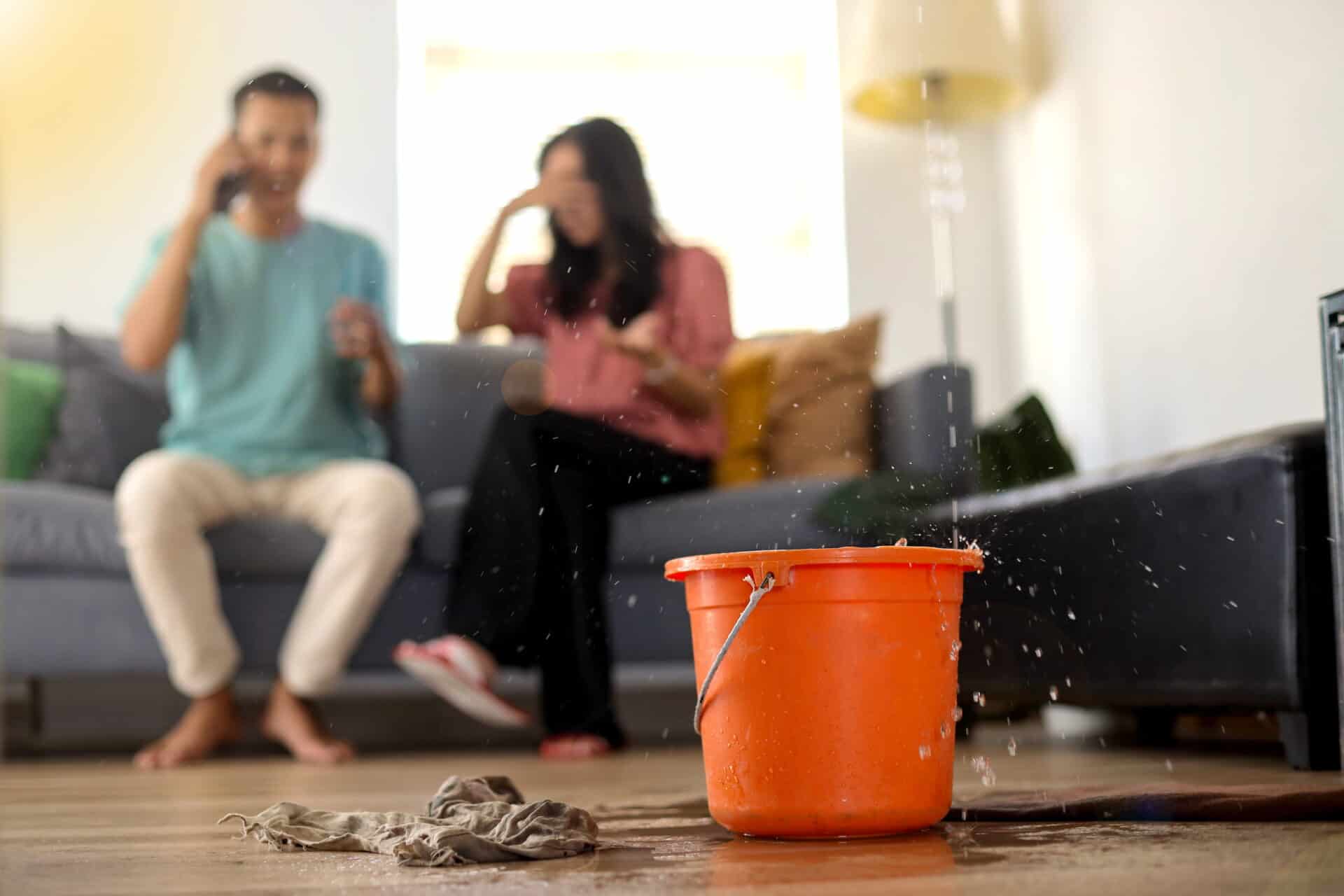
Water damage is one of the most common emergencies property owners face. Whether caused by a burst pipe, heavy rain, a roof leak, or a malfunctioning appliance, water can quickly spread through a building and begin damaging structural materials. Many homeowners assume they have plenty of time to deal with the problem, but in reality, water damage begins affecting your property almost immediately.
Understanding the timeline of water damage can help you see why fast action is critical. Professional cleanup and restoration services are often the fastest way to stop the damage and prevent costly repairs. This article will take a closer look at how water damage typically progresses and what happens at each stage.
The First Few Hours (0-24 Hours) — Water Spreads Quickly
The moment water enters a property, it begins spreading through porous materials such as drywall, wood, insulation, and flooring. Even small leaks can allow water to seep into hidden spaces behind walls or under floors.
During the first several hours, you may notice:
- Wet carpets or flooring
- Water pooling in low areas
- Swelling in wood or laminate floors
- Stains forming on ceilings or walls
- Electrical hazards if outlets or wiring become wet
At this stage, the damage may still appear manageable, but moisture is already being absorbed into structural materials. Carpets, drywall, furniture, and insulation can begin soaking up water almost immediately.
The sooner water is removed, the better your chances of saving these materials. Professional water extraction and drying equipment can significantly reduce the amount of permanent damage during this critical early window.
24-48 Hours — Mold Begins to Develop
If moisture is not fully removed within the first day or two, conditions become ideal for mold growth. Mold spores are naturally present in the air, and they only need moisture and organic material to begin growing. Research shows that old can start forming within 24 to 48 hours after water exposure.
At this stage, you may start noticing:
- A musty odor
- Slight discoloration on walls or ceilings
- Peeling paint of bubbling wallpaper
- Increased indoor humidity
Even if mold is not yet visible, microscopic colonies may already be forming inside walls, under flooring, or in insulation. This is often the point when professional mold inspection or remediation becomes necessary to prevent the problem from spreading.
48-72 Hours — Visible Damage Begins
Within two to three days, the effects of water damage become more noticeable. Mold colonies may begin to appear on damp surfaces, and building materials can begin to deteriorate.
Common problems during this stage include:
- Visible mold spots
- Warped flooring or baseboards
- Crumbling drywall
- Strong musty odors
- Air quality issues
Mold spores can also begin spreading through the air, potentially affecting other areas of the property. Once water damage reaches this point, restoration becomes more complex. Materials that might have been saved earlier may now require removal and replacement.
3-7 Days — Structural Damage Increases
If water damage remains untreated for several days, structural materials can begin breaking down. Mold growth often becomes widespread, and the cost of restoration can increase dramatically.
At this stage, you may see:
- Large areas of mold growth
- Warped or weakened wood framing
- Severely damaged drywall
- Strong, persistent odors
- Contamination spreading to nearby materials
Mold can spread quickly in damp conditions, sometimes becoming visible within three to seven days. Once mold penetrates deeply into materials such as drywall or insulation, those materials must often be removed completely during remediation.
One to Two Weeks — Serious Structural Concerns
When water damage continues for more than a week, structural integrity may begin to suffer. Materials such as wood framing, subfloors, and drywall can weaken significantly.
At this stage, the damage may include:
- Rotting wood supports
- Severely warped flooring
- Collapsing drywall or ceilings
- Large-scale mold contamination
Mold can also penetrate deeper into wall cavities, insulation, and HVAC systems, making it much more difficult to remove. Restoration projects that could have been resolved with drying and minor repairs may now require demolition and reconstruction.
Weeks or Months Later — Major Property Damage
If water damage goes unresolved for weeks or longer, the property may require extensive repairs. Mold infestations can spread throughout the structure, and long-term moisture exposure can lead to major structural issues. At this point, remediation often becomes a large restoration project rather than a simple cleanup.
Potential consequences include:
- Severe mold contamination
- Structural wood rot
- Flooring system failure
- Compromised insulation and air quality
- Expensive reconstruction work
Why Fast Water Damage Response Matters
The timeline above highlights one important truth: water damage escalates quickly. What starts as a minor leak can become a serious structural and mold problem in just a few days.
Professional restoration teams use specialized equipment such as moisture meters, industrial dehumidifiers, and air movers to dry structures thoroughly and prevent hidden water from causing long-term damage.
Rapid response is critical for several reasons:
- Preventing Mold Growth — Removing moisture within the first 24 hours significantly reduces the likelihood of mold forming.
- Protecting Structural Materials — Quick drying can prevent wood swelling, drywall deterioration, and flooring damage.
- Reducing Repair Costs — Early intervention often allows materials to be dried instead of replaced.
- Protecting Indoor Air Quality — Mold spores and bacteria can affect occupants’ health if moisture problems persist.
Common Causes of Water Damage
Understanding how water damage starts can help property owners act quickly when problems occur. Regardless of the cause, the timeline of damage is often similar. Water spreads quickly and begins affecting materials within hours.
Some of the most common causes may include:
- Burst or leaking pipes
- Roof leaks during storms
- Flooding from heavy rain
- Appliance malfunctions (washing machines, dishwashers, water heaters)
- Sewer backups
- Basement seepage
Protecting Your Property After Water Damage
If you experience water damage, taking the right steps immediately can make a major difference in the outcome. Experienced restoration professionals can assess the situation, remove moisture, and prevent mold growth before it spreads.
Helpful first steps include:
- Turning off the water source if possible
- Removing standing water safely
- Increasing airflow with fans or ventilation
- Avoiding contact with contaminated water
- Calling a professional restoration service
When Water Damage Strikes, Tri State Mold Doctors Is Ready to Help
Water damage rarely stays a small problem for long. The sooner water is removed and the structure is properly dried, the greater the chance of preventing costly repairs and protecting the safety of your property.
At Tri State Mold Doctors, experienced restoration professionals understand how quickly water damage can escalate. Their team uses advanced moisture detection tools, industrial drying equipment, and proven remediation techniques to stop damage at its source and restore affected areas as efficiently as possible. If your property has experienced water damage, acting quickly can make all the difference.
Contact us today to schedule an inspection and begin the restoration process before the problem worsens.