
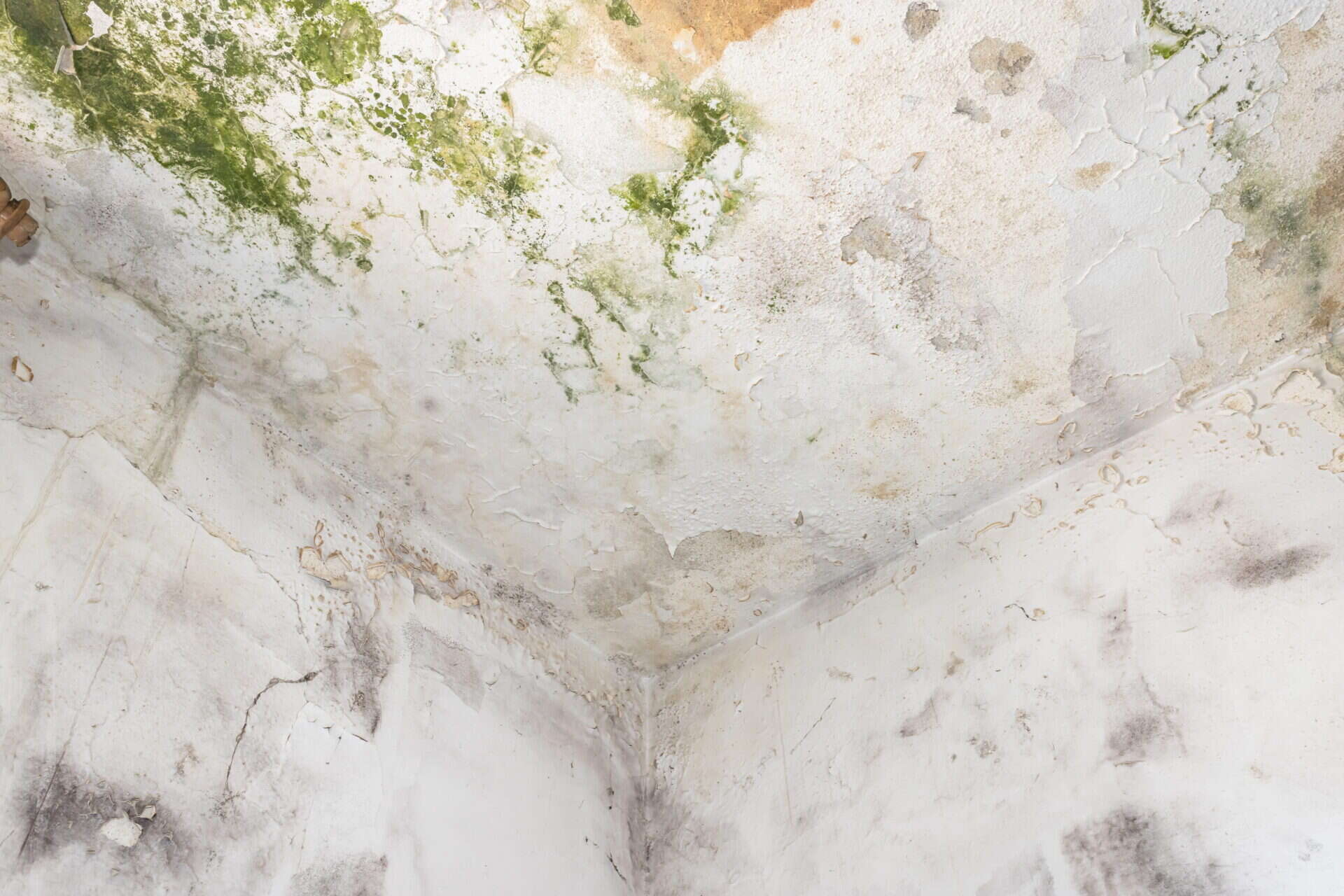
Mold is often thought of as a cosmetic issue, something that leaves unsightly stains on walls or produces a musty odor in basements and crawl spaces. In reality, mold can be far more serious. When left untreated, it can weaken structural materials, damage building components, and lead to costly repairs.
Understanding how mold affects your home’s structure is essential for protecting your investment. Because mold typically develops after water damage or excess moisture, it’s often a sign of a larger problem. This article will explain how addressing mold quickly through professional mold remediation is the best way to prevent structural deterioration and restore your property safely.
Why Mold Grows in Homes
Mold thrives in damp, humid environments. It spreads through microscopic spores that travel through the air and settle on moist surfaces. Once mold spores land on damp areas like drywall, wood framing, or insulation, they begin to grow and multiply.
Common causes of mold growth include:
- Flooding or water damage
- Leaving pipes or plumbing issues
- Roof leaks
- High indoor humidity
- Poor ventilation in bathrooms or kitchens
- Basement or crawlspace moisture
In many cases, mold growth begins after an emergency water event such as a flood or burst pipe. When water is not properly removed, and the structure is not thoroughly dried, mold can begin to form in as little as 24 to 48 hours.
This is why emergency flood cleanup and professional drying services are so important. The longer moisture remains trapped in building materials, the greater the risk of structural damage.
How Mold Damages Structural Materials
Many materials used in home construction are organic or porous, which makes them ideal food sources for mold. As mold grows, it breaks down these materials over time.
Wood Framing and Structural Supports
Wood is one of the most vulnerable structural materials when mold is present. Mold feeds on the cellulose found in wood, gradually weakening beams, joists, and studs.
Over time, mold growth can cause wood to:
- Lose structural strength
- Warp or rot
- Crack or deteriorate
- Become brittle and unstable
If mold spreads throughout structural framing, it can compromise the integrity of walls, ceilings, and floors. In severe cases, entire sections of the home may need to be repaired or replaced.
Drywall and Wall Systems
Drywall is highly susceptible to mold because it has a paper backing made of organic materials. When drywall becomes wet from flooding or leaks, mold can spread quickly behind walls and ceilings.
As mold grows, drywall can:
- Soften and crumble
- Lose structural stability
- Develop large patches of contamination
- Spread mold into wall cavities
Flooring and Subflooring
Mold can also damage flooring systems, especially when water seeps underneath the surface. Materials such as carpet, laminate flooring, and hardwood are particularly vulnerable.
Subflooring made from plywood or particle board can absorb moisture and begin to break down as mold spreads. Over time, this can lead to warped or buckling floors, soft spots when walking, and structural weakening beneath flooring materials. Proper flood cleanup and moisture removal are essential to prevent mold from spreading beneath floors, where it can remain hidden for long periods.
Insulation
Insulation inside walls and ceilings can trap moisture and provide an ideal environment for mold growth. Once mold contaminates insulation, it becomes difficult to clean effectively. Contaminated insulation often needs to be removed and replaced to prevent mold from spreading to other structural components.
Hidden Mold Can Cause Long-Term Damage
One of the most challenging aspects of mold damage is that it often grows in areas you cannot easily see. Mold commonly develops behind walls, under flooring, inside HVAC systems, or in attic spaces. By the time visible signs appear, such as stains, peeling paint, or musty odors, mold may already be affecting structural components.
Hidden mold can slowly weaken your home’s structure for months or even years. This is why professional inspections and moisture detection tools are often necessary to identify the full extent of the problem.
Signs Mold May Be Affecting Your Home’s Structure
Homeowners should be aware of the warning signs that mold may be causing more serious damage. If you notice any of the following signs after flooding, leaks, or water damage, it is important to schedule a professional mold inspection and remediation as soon as possible.
- Persistent musty odors
- Crumbling drywall or soft walls
- Warping or buckling floors
- Peeling paint or bubbling wall surfaces
- Dark staining around ceilings or baseboards
- Increased allergy symptoms indoors
Why DIY Mold Removal Often Fails
Many homeowners attempt to remove mold themselves using household cleaners or bleach. While this may temporarily eliminate surface mold, it rarely solves the underlying problem.
DIY mold removal often fails because:
- Mold spores remain embedded in porous materials
- Moisture sources are not properly addressed
- Hidden mold behind walls goes untreated
- Improper cleaning spreads spores to other areas
Professional mold remediation teams use specialized equipment to locate hidden moisture, remove contaminated materials, and prevent mold from spreading throughout the property. Without professional containment and drying techniques, mold can quickly return and continue damaging structural components.
The Importance of Professional Mold Remediation
Professional mold remediation focuses on both removing mold and addressing the moisture conditions that allowed it to grow. This process ensures that mold is eliminated safely while protecting the integrity of the building, and typically includes several steps:
- Inspection and Assessment — Technicians first identify the source of moisture and evaluate the extent of mold growth. This may involve thermal imaging, moisture meters, and air quality testing.
- Containment — To prevent mold spores from spreading, affected areas are sealed using containment barriers and specialized air filtration systems.
- Removal of Contaminated Materials — Materials that cannot be safely cleaned, such as mold-infested drywall, insulation, or carpeting, are carefully removed and disposed of.
- Cleaning and Sanitizing — Remaining surfaces are treated with professional antimicrobial solutions designed to eliminate mold spores.
- Drying and Restoration — Industrial drying equipment removes remaining moisture from structural components. Once the structure is fully dry, repairs and restoration can begin.
Preventing Mold After Water Damage
Because mold often follows flooding or leaks, quick action after water damage is critical. Emergency flood cleanup services can dramatically reduce the risk of mold developing and damaging your home’s structure.
Prevention steps include:
- Removing standing water immediately
- Using professional drying equipment
- Repairing leaks or damaged plumbing
- Improving ventilation in damp areas
- Monitoring humidity levels indoors
Protect Your Home with Tri State Mold Doctors
Mold isn’t just an unsightly nuisance—it’s a serious threat to your home’s structural integrity. The hidden nature of mold makes early detection and professional intervention crucial.
At Tri State Mold Doctors, our team specializes in thorough mold remediation that not only removes visible mold but also tackles hidden growth and underlying moisture issues. With advanced equipment, expert techniques, and a commitment to protecting your home, we ensure that your property is safe, healthy, and structurally sound.
Contact us today to prevent further damage and safeguard your investment.