
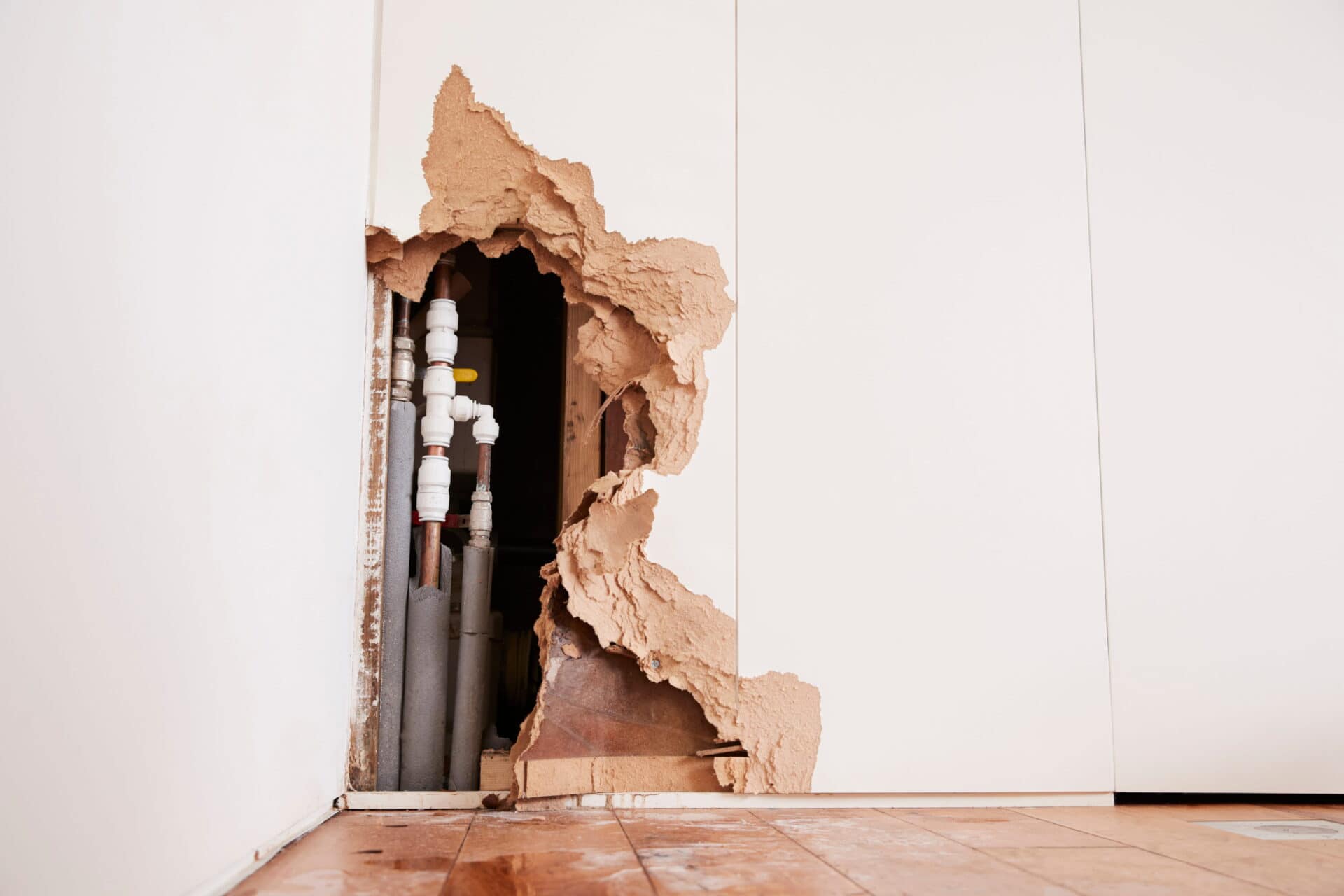
Water damage restoration plays a vital role in protecting the structural integrity, safety, and overall health of a home or commercial property. Yet, when water emergencies occur, many property owners rely on misconceptions that can delay proper action or worsen the damage.
Misinformation about restoration services often leads to costly mistakes, unnecessary risks, and long-term problems, including mold growth and structural deterioration. Water damage, whether from a burst pipe, a storm, or a slow leak, is one of the most stressful situations a homeowner or business owner can face.
On top of the physical damage, there is often confusion fueled by misconceptions: can you fix it yourself? Will insurance cover it? Is drying the space with a household fan enough? This article will shine a light on the truth behind common water damage restoration myths.
Why Misconceptions Matter
When water invades your home, you need clear, accurate information. Acting on misinformation can lead to incomplete restoration, hidden mold, structural issues, and unnecessary expenses.
Many homeowners fall into the trap of believing quick fixes or DIY methods are sufficient, only to discover deeper issues later, often at high cost. With professional support from Tri State Mold Doctors and a clear understanding of the work required, you can avoid these stressors and restore your property safely and thoroughly.
Myth 1 — Water Damage Isn’t an Emergency
Reality — Water damage is always time sensitive.
Even minor water intrusion can escalate rapidly. Moisture trapped in walls, flooring, and insulation creates ideal conditions for mold growth, often within 24 to 48 hours. Aside from mold, prolonged dampness can compromise structural and even electrical systems.
Professionals respond quickly to:
- Extract standing water
- Dry hidden moisture
- Prevent mold and secondary damage
Myth 2 — I Can Just Let My Carpet and Walls Air Dry
Reality — Visible dryness does not mean everything is dry.
Many people think that simply removing visible water or using a household fan will solve everything. In reality, water can lodge deep in subfloors, wall cavities, and insulation, areas that household fans can not reach.
Even if the surface appears dry, moisture can remain hidden, leading to long-term issues such as mold, rot, and warping. Water restoration specialists assess the problem and ensure all moisture, not just what you see, is removed.
Proper restoration includes:
- Industrial-grade air movers
- Commercial dehumidification
- Moisture meters and thermal imaging
- Full structural drying
Myth 3 — DIY Methods Save Money
Reality — DIY can be costly in the long run.
It is tempting to try to save money by tackling water damage yourself. But without proper tools and training, DIY efforts often fall short. Incorrect or incomplete restoration can cost significantly more to fix later, and health risks, especially from mold, shouldn’t be underestimated.
Hidden moisture, improper drying techniques, and missed contamination can lead to bigger problems later, including mold growth, weakened framing, warped floors, and health hazards.
Professionals bring:
- Specialized equipment
- Expertise in moisture detection
- Sanitation protocols
- Safety measures for hazardous water
Myth 4 — Insurance Covers All Water Damage
Reality — Not all water damage is covered by insurance.
Many homeowners assume their standard policy will cover any kind of water damage. However, insurance coverage varies widely and often excludes flood damage unless a separate rider is purchased.
Working with knowledgeable professionals helps ensure that everything, from documentation to categorization, is properly handled to support your insurance claim. Even internal issues, such as slow leaks or maintenance-related damage, may be denied.
Key points:
- Sudden, accidental damage (such as a burst pipe) is more likely to be covered.
- Flood-related damage usually requires flood insurance.
- Neglect or gradual leaks often aren’t covered.
Myth 5 — Once the Water Is Gone, the Job Is Done.
Reality — Water removal is just the beginning.
Removing visible water is an important first step, but comprehensive water damage restoration goes much further. True restoration includes drying and sanitizing all affected areas, repairing or replacing damaged materials, and preventing future problems.
Only through complete drying and testing, including moisture reading below critical levels, can professionals declare an area truly restored. Missing this step can lead to:
- Hidden moisture pockets
- Mold growth
- Bad odors
- Structural weaknesses
Myth 6 — All Water Damage Is the Same
Reality — Different water sources require different responses.
Water damage is not one-size-fits-all. Restoration professionals categorize water by contamination level.
Each category affects how technicians approach extraction, safety protocols, sanitization, and disposal. Mishandling contaminated water is not only ineffective but also dangerous.
Water categories are as follows:
- Category 1 — Clean water from sources like broken pipes
- Category 2 — Gray water from appliances or surface water
- Category 3 — Black water that contains sewage or hazardous contaminants
How Proper Water Damage Restoration Works
Now that the myths have been dismantled, we can look at how professionals manage water damage. Here are the steps water damage restoration professionals follow.
- Inspection and Assessment — Professionals evaluate the extent of damage, identify moisture levels, and map out problem areas.
- Water Extraction — Powerful tools rapidly remove standing water from all affected spaces.
- Drying and Dehumidification — Using industrial-grade equipment, technicians dry not just surfaces but also structural components such as walls and subfloors.
- Sanitization and Decontamination — Affected spaces are cleaned and disinfected to prevent mold and bacteria from thriving.
- Repair and Restoration — From drywall and flooring to full reconstruction, restoration completes the process and returns your home to pre-loss condition.
Don’t Let Myths Delay Protection — Turn to Tri State Mold Doctors Today
Believing myths about water damage restoration doesn’t just risk poor results; it can jeopardize your home’s safety and your family’s health. Prompt and professional action is essential to prevent water damage from escalating into a larger catastrophe.
Tri State Mold Doctors follows a structured process of Assess, Extract, Dry, Clean, and Restore, documenting every step for insurance purposes and ensuring a safe, long-lasting result. If you are dealing with water damage and want peace of mind knowing the job is handled right, we can help.
Contact us today. We are on call 24/7, 365 days a year, to protect your home or business and prevent damage from getting worse.