
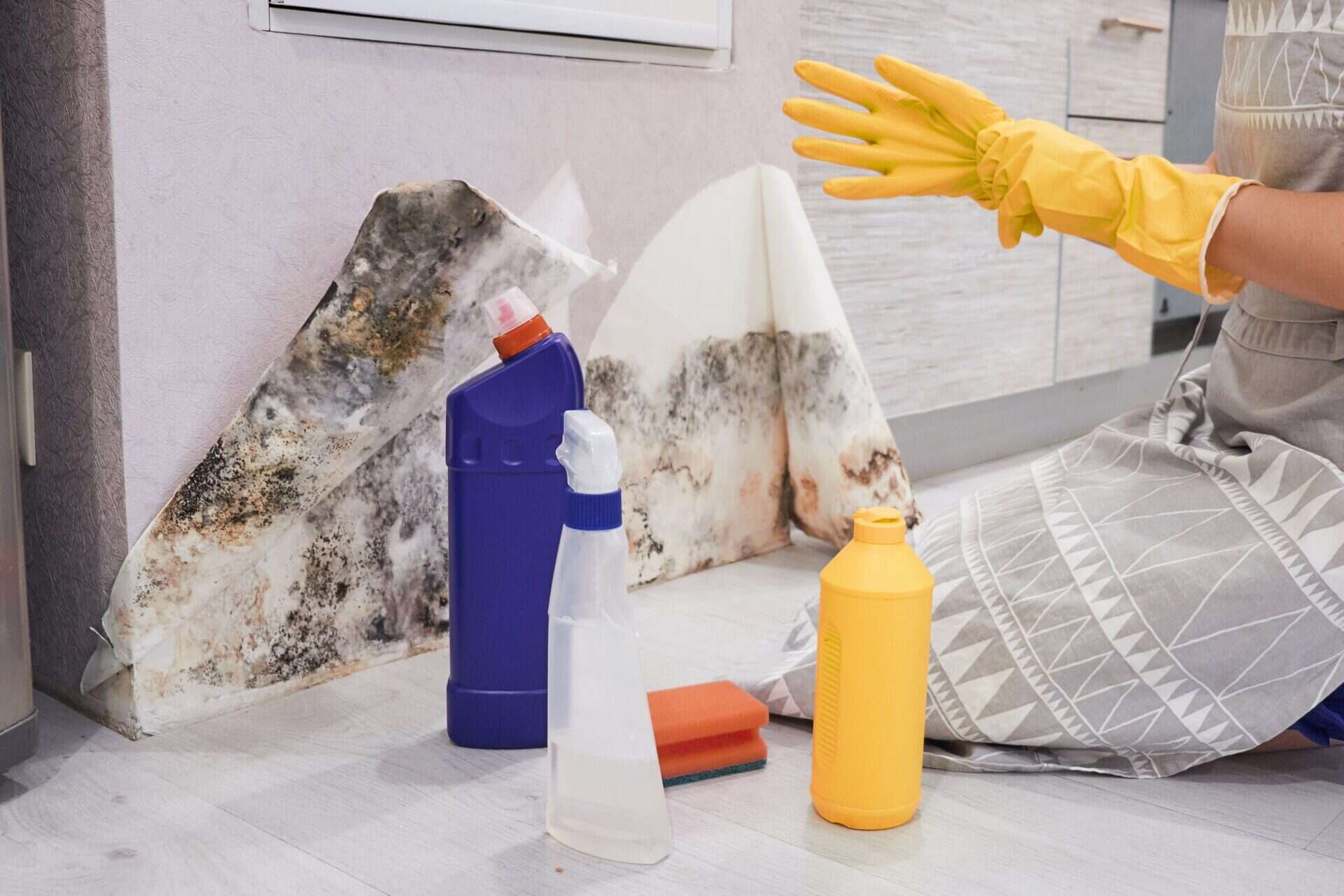
Mold is one of the most common and most overlooked threats to a clean, healthy home. While visible mold spots are easy to identify, many of the most serious mold problems develop quietly in hidden areas, spreading before homeowners even realize there’s an issue.
Left untreated, hidden mold can damage your property, compromise indoor air quality, and negatively affect your health. This guide will walk you through how to identify hidden mold risks in your home, where mold commonly hides, and how to keep your living space safe, clean, and mold-free.
Why Hidden Mold Is a Serious Concern
Mold thrives in damp, dark environments with limited airflow. Because these conditions often occur behind walls, under floors, or within HVAC systems, different types of mold can grow unnoticed for months or even years. Understanding where mold hides, the types of mold that may be present, and how to spot the warning signs is key to protecting both your home and your health.
Hidden mold can cause:
- Persistent musty odors
- Allergies and respiratory issues
- Worsening asthma symptoms
- Structural damage to drywall, wood, and insulation
- Decreased home value
4 Common Signs of Hidden Mold in Your Home
Even if you can’t see mold, your home may still be trying to tell you something is wrong. Watch for these subtle indicators of hidden mold growth:
- Musty or Earthy Smells — A persistent musty odor is often one of the first signs of hidden mold. If certain rooms smell damp or stale despite regular cleaning, mold may be growing behind walls or under flooring.
- Unexplained Health Symptoms — Frequent headaches, sneezing, coughing, itchy eyes, or worsening allergy symptoms, especially when you’re at home, can signal mold exposure.
- Water Damage or Discoloration — Stains on ceilings or walls, peeling paint, bubbling wallpaper, or warped surfaces often indicate moisture buildup, which creates ideal conditions for mold growth.
- Increased Humidity — If your home feels unusually humid or you notice condensation on windows and walls, excess moisture may be feeding hidden mold colonies.
High-Risk Areas Where Mold Often Hides
Certain areas of your home are more vulnerable to hidden mold growth due to moisture exposure or poor ventilation.
- Behind Walls and Drywall — Leaky pipes, roof damage, or condensation inside walls can lead to mold growth behind drywall. Mold is often out of sight until serious damage occurs.
- Under Flooring and Carpets — Mold commonly develops beneath carpets, laminate flooring, and padding, especially after spills, floods, or plumbing leaks that weren’t thoroughly dried.
- Bathrooms — Bathrooms are prime environments for mold growth due to steam and humidity. Mold can hide behind tiles, under sinks, and inside exhaust fans.
- Kitchens — Leaks under sinks, behind dishwashers, and around refrigerators can create moisture pockets where mold thrives unnoticed.
- Basements and Crawl Spaces — Poor ventilation, groundwater intrusion, and high humidity make these spaces among the most common locations for hidden mold.
- HVAC Systems and Air Ducts — Mold inside air ducts or HVAC units can spread spores throughout your home, impacting indoor air quality and health.
How to Inspect Your Home for Hidden Mold Risks
While professional inspections are often recommended, homeowners can take proactive steps to identify potential mold risks early.
- Use Your Senses — Trust your nose and eyes. Follow musty smells and look for water stains, discoloration, or signs of moisture.
- Check for Moisture — Use a moisture meter or humidity gauge to identify areas with high moisture levels. Indoor humidity should ideally stay below 50%.
- Inspect After Water Events — After heavy rain, flooding, or plumbing issues, thoroughly inspect affected areas—even if the damage appears minimal.
- Look Behind and Under — Periodically check behind furniture, under sinks, and around appliances where leaks often go unnoticed.
Preventing Hidden Mold Growth in Your Home
Prevention is always easier and more affordable than mold remediation. These proactive steps can significantly reduce mold risks:
Control Moisture Levels
- Fix leaks promptly
- Use dehumidifiers in damp areas.
- Ensure proper drainage around your home’s foundation.
Improve Ventilation
- Use exhaust fans in bathrooms and kitchens.
- Open windows when the weather allows
- Ensure attic and crawl spaces are well-ventilated
Clean and Maintain Regularly
- Clean bathrooms with mold-inhibiting products
- Replace HVAC filters routinely.
- Keep gutters and downspouts clear.
Act Quickly After Water Damage
Dry affected areas within 24–48 hours to prevent mold from forming.
When to Call a Mold Professional
If you suspect extensive mold growth or experience persistent health symptoms, professional mold inspection and remediation may be necessary. Professionals have specialized equipment to detect mold behind walls, under floors, and within HVAC systems that homeowners typically can’t reach.
Professional intervention is crucial if:
- Mold covers more than 10 square feet.
- You’ve experienced flooding or significant water damage.
- Mold keeps returning despite cleaning.
- Household members have respiratory conditions.
Keeping Your Home Safe, Clean, and Mold-Free With Tri State Mold Doctors
Hidden mold risks don’t have to compromise your home or health. By understanding where mold hides, recognizing early warning signs, and taking preventive action, you can maintain a safer and cleaner living environment. Routine inspections, moisture control, and prompt repairs go a long way toward preventing mold problems before they escalate.
Tri State Mold Doctors offers professional mold inspections and remediation services to address even the most hidden infestations. With experienced technicians, advanced detection equipment, and a commitment to keeping your home safe, they provide the expertise and support you need to protect both your property and your family’s health. Don’t wait until mold becomes a serious problem; let us help keep your home clean, healthy, and mold-free.
Contact us today for a fast, straightforward answer.