
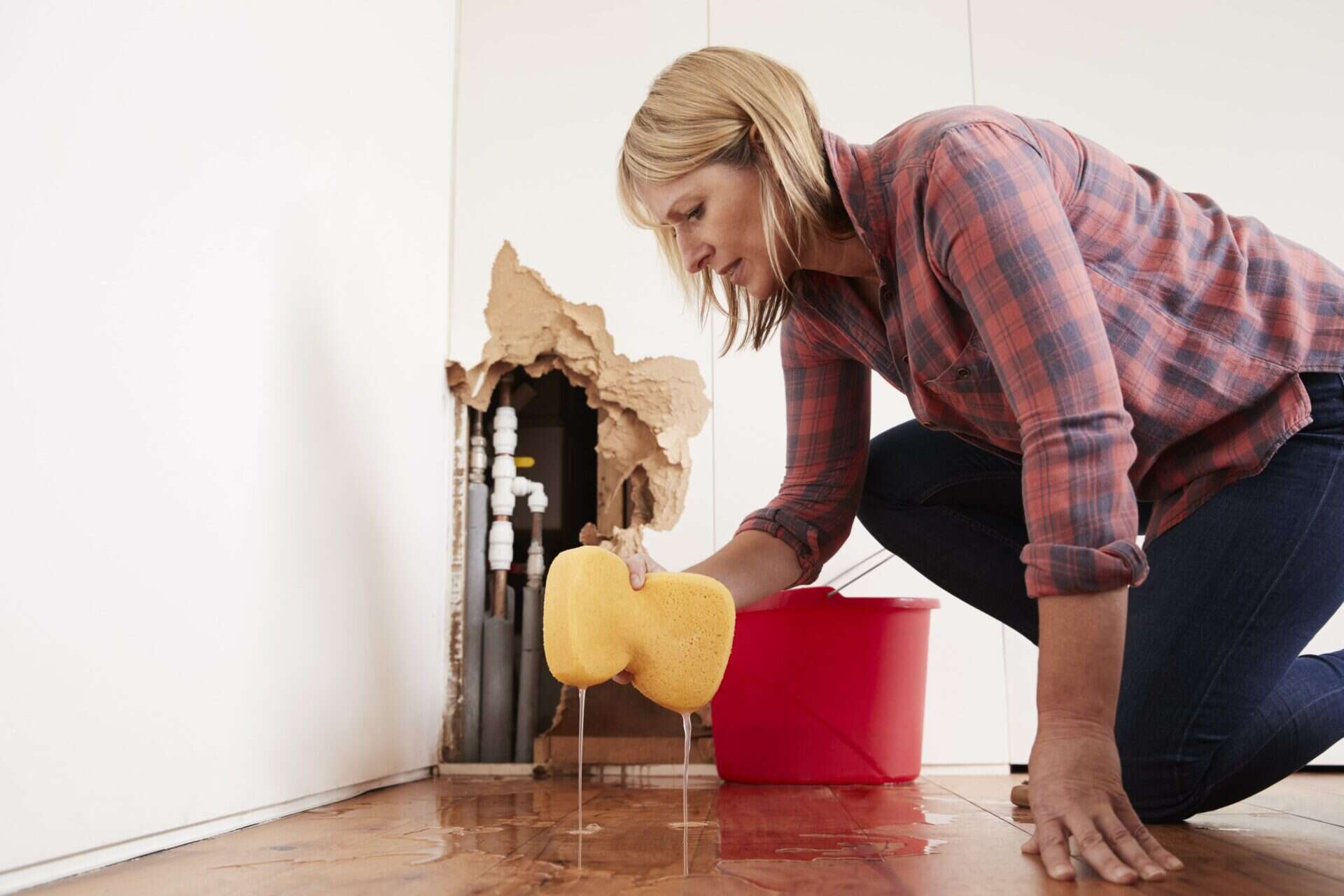
In the critical hours following a water-related incident, your response can make all the difference between a manageable cleanup and long-term, costly repairs. Knowing what steps to take immediately can help you minimize damage, protect your property, and reduce health risks like mold growth.
Water damage doesn’t wait, and neither should you. The longer water sits, the more it seeps into walls, floors, and furniture, weakening structures and creating the perfect environment for mold. Understanding how quickly water can cause problems, and how to respond, will give you the best chance to minimize damage, safeguard your home, and protect your family’s health.
How Fast Can Water Damage Cause Problems?
Water damage can start causing problems within minutes of exposure, and the longer it’s left unaddressed, the worse it gets.
- Within Minutes — Water begins to spread rapidly through porous materials like drywall, wood, and carpets. Paint may bubble, and furniture finishes can start to discolor.
- Within Hours — Materials like drywall and insulation begin to absorb moisture deeply, weakening structural integrity. Metal surfaces may start to tarnish, and wood can begin to swell and warp.
- Within 24-48 Hours — Mold can start to grow. Odors become noticeable, and the risk of permanent damage to floors, walls, and personal belongings increases significantly.
- After 48+ Hours — Mold colonies may spread throughout the affected area, creating serious health risks and requiring professional remediation. Structural components can become compromised, and what was once a simple fix could now require significant repairs.
Why It’s Important to Act Fast
Water damage doesn’t just dry out on its own. It continues to worsen, even if the source of the water is stopped. In short, every minute counts. The sooner you respond to water damage, the better your chances of minimizing damage and avoiding long-term complications.
- Prevent Mold Growth — Mold can start forming in as little as 24 hours, and it spreads quickly in damp environments.
- Limit Structural Damage — The longer materials like wood and drywall stay wet, the more likely they are to weaken or rot.
- Reduce Repair Costs — Immediate action often means the difference between simple drying and full restoration.
- Protect Health — Standing water and moisture create ideal conditions for bacteria and allergens to thrive, posing risks to your family’s health.
Common Water Damage Causes to Be Aware Of
Water damage can come from a variety of sources, some sudden and dramatic, and others slow and hidden. Understanding the most common causes can help homeowners stay vigilant and prevent major issues before they start.
Plumbing Failures
One of the leading causes of water damage is plumbing failure. This includes burst pipes, leaking supply lines, corroded plumbing, and faulty pipe fittings. Frozen pipes in winter are especially risky, as the expansion of ice can cause pipes to crack and release significant amounts of water when they thaw.
Appliance Leaks
Everyday household appliances such as water heaters, dishwashers, refrigerators, and washing machines can start to leak due to worn-out hoses, broken seals, or bad connections. Because these appliances are often located in areas not frequently checked—such as basements, laundry rooms, or behind cabinets—leaks can go unnoticed until significant damage has occurred.
Roof and Gutter Issues
An old or damaged roof can let rainwater start to seep into your home, while clogged or poorly maintained gutters can cause water to back up and pool around the foundation. Over time, this can lead to structural damage, wood rot, and mold growth inside your home.
Severe Weather and Natural Disasters
Heavy rains, flash floods, and hurricanes can all overwhelm a home’s defenses against water. Even homes outside of flood zones can experience damage during major weather events, especially if sump pumps fail or drainage systems are inadequate.
What to Do If You Notice Water Damage
If you notice water damage in your home, acting quickly is key to minimizing damage and avoiding serious health or structural issues.
Ensure Safety First
Before doing anything, make sure the area is safe. Turn off electricity in affected areas if water is near outlets or appliances to prevent electrical shock. If there’s a lot of standing water or the structure seems unstable, evacuate the area and call professionals.
Identify and Stop the Source
Find where the water is coming from—whether it’s a burst pipe, leaking appliance, roof leak, or groundwater. Shut off the main water supply if necessary. If it’s weather-related, take steps to block or divert water from entering further.
Document the Damage
Take clear photos and videos of all affected areas, damaged belongings, and visible signs like water stains, mold, or warped flooring. This documentation is crucial for insurance claims and helps restoration professionals assess the situation.
Contact Your Insurance Company
Report the damage to your homeowner’s insurance provider as soon as possible. Provide them with the documentation and follow their instructions regarding inspections and claims. Coverage will vary depending on your policy and the cause of the damage.
Begin the Drying Process
Start removing water using mops, towels, wet/dry vacuums, or pumps (for larger amounts). Use fans and dehumidifiers to dry the area thoroughly. Open windows if the weather allows. The sooner you begin drying, the better you can prevent mold and further damage.
Remove Damaged Materials
Take out soaked carpets, furniture, drywall, and insulation if they can’t be salvaged. Waterlogged materials can harbor mold and bacteria, so removing them early helps prevent health risks and accelerates the restoration process.
Check for Mold
Keep an eye out for musty smells or visible mold growth, especially within 24–48 hours after the incident. If mold is present or suspected, don’t disturb it—instead, contact a certified mold remediation specialist for safe removal.
Call Water Damage Professionals
For significant damage, or if you’re unsure how to proceed, call a licensed water damage restoration company. Professionals have the tools and training to dry, clean, and restore your home safely and thoroughly. Once everything is dry and safe, they can begin making necessary repairs, such as replacing drywall, flooring, or insulation, repainting, and fixing the source of the problem to prevent a recurrence.
Don’t Face Water Damage Alone, Turn to Tri State Mold Doctors
If you’re dealing with water damage in your home, don’t try to tackle it alone. Tri State Mold Doctors is here to help.
Our certified professionals specialize in fast, thorough water damage remediation and mold prevention, using advanced equipment to dry, clean, and restore your space safely. Acting quickly is critical, and our team is ready 24/7 to respond and protect your home from further damage.
Contact us today for expert care and peace of mind.