
Winter brings unique challenges for homeowners, and one of the most common and costly problems is water damage. Freezing temperatures, heavy snowfall, ice storms, and seasonal thawing can all create unexpected water-related issues inside your home.
Many homeowners underestimate the risks, assuming that staying indoors during the cold months is enough to prevent problems—but winter hazards can affect your roof, pipes, basement, and even your heating system.
Understanding the different types of water damage caused by winter weather is essential for protecting your property and avoiding costly repairs.
From frozen and burst pipes to ice dams and basement flooding, water can sneak in where you least expect it, causing structural damage, mold growth, and long-term issues. By knowing what to look for and taking proactive steps, homeowners can safeguard their homes and ensure that winter remains a season of comfort rather than stress.
1. Frozen and Burst Pipes
Frozen pipes are among the most common causes of water damage in winter. As temperatures drop below freezing, water in your pipes can freeze, expand, and crack or burst the pipes.
A burst pipe can quickly flood your home, causing damage to walls, floors, furniture, and personal belongings. If a pipe does burst, it’s crucial to shut off the main water supply immediately and contact a professional water damage restoration company to prevent further damage.
Signs of frozen pipes include:
- Frost or condensation on the outside of the pipes
- Unusually low water pressure
- Strange noises when water is running
Prevention Tips:
- Insulate exposed pipes in basements, attics, and crawl spaces.
- Keep a slow trickle of water running during extremely cold nights.
- Seal any gaps or cracks in walls where pipes are located.
2. Ice Dams and Roof Leaks
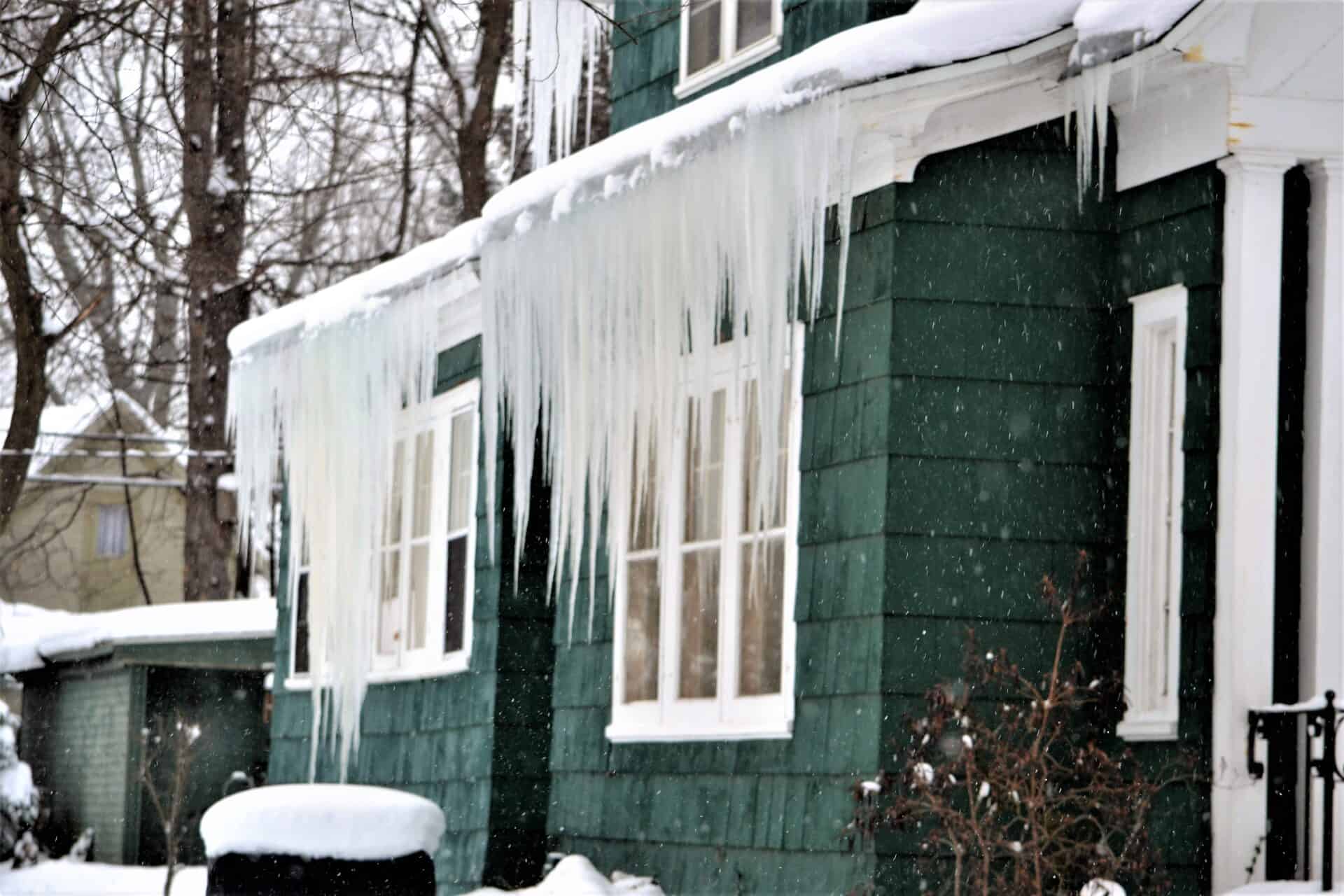
Ice dams are another winter hazard that can cause significant water damage. As snow on your roof melts and refreezes at the eaves, an ice dam forms, preventing proper drainage. The trapped water can seep under shingles and into your home, causing roof leaks, ceiling damage, and even mold growth.
Signs of ice dams include:
- Icicles forming along the roofline
- Water stains or discoloration on ceilings
- Damp insulation in the attic
Prevention Tips:
- Keep your attic properly insulated and ventilated
- Remove snow from your roof using a roof rake or professional service.
- Seal leaks and gaps around vents, chimneys, and skylights
3. Basement Flooding
Winter precipitation, melting snow, and frozen ground can all contribute to basement flooding. Water may seep in through cracks in the foundation, poorly sealed windows, or a malfunctioning sump pump.
Basement flooding can damage flooring, drywall, electrical systems, and stored items, and it can also create the perfect environment for mold growth. Regular inspections during the winter months can help catch potential flooding problems before they escalate.
Signs of basement water damage include:
- Damp or musty odors
- Standing water or damp spots
- Peeling paint or warped walls
Prevention Tips:
- Inspect and seal foundation cracks
- Ensure proper grading around the home to direct water away from the foundation.
- Maintain your sump pump and consider a battery backup system.
4. Roof and Gutter Damage
Heavy snow, ice, and freezing rain can weigh down your roof and gutters, leading to structural damage or water intrusion. Clogged or damaged gutters prevent proper drainage, causing water to pool on the roof or overflow near the foundation. This can result in roof leaks, basement flooding, or damage to siding and landscaping.
Signs of roof and gutter water damage include:
- Sagging or damaged gutters
- Missing or broken shingles
- Water stains around roof edges or gutters
Prevention Tips:
- Clean gutters and downspouts before the first snow
- Inspect your roof for weak spots or loose shingles.
- Remove heavy snow from the roof using a professional service.
5. Condensation and Indoor Humidity
During winter, the combination of cold outdoor temperatures and indoor heating can cause condensation on windows, walls, and pipes. While it may seem harmless, excessive condensation can lead to water damage over time, including mold growth, paint damage, and wood warping.
Signs of condensation damage include:
- Fogged or wet windows
- Peeling paint or wallpaper
- Musty odors in the home
Prevention Tips:
- Use dehumidifiers to reduce indoor moisture levels.
- Ensure proper ventilation in bathrooms, kitchens, and laundry areas.
- Seal windows and doors to prevent drafts.
6. Water Damage from Melting Snow and Ice
Even when snow and ice are outside, they can still cause problems for homeowners. When temperatures rise, melting snow and ice can overwhelm drainage systems, flood basements, and seep into foundations. Poorly maintained roofs, gutters, or drainage systems increase the risk of this type of water damage.
Signs of water intrusion from melting snow include:
- Wet spots near doors and windows
- Pooled water near the foundation
- Damp or musty smells in lower levels of the home
Prevention Tips:
- Keep walkways and driveways clear of snow buildup
- Direct downspouts away from the foundation
- Inspect and maintain drainage systems.
7. Water Damage from HVAC or Water Heater Failures
Winter weather can put additional strain on your home’s HVAC system and water heaters. Frozen or burst pipes in heating systems or water heaters can lead to leaks, flooding, and water damage throughout your home.
Signs of HVAC or water heater water damage include:
- Water pooling near the unit
- Unusual noises or dripping
- Reduced heating efficiency
Prevention Tips:
- Schedule regular HVAC and water heater maintenance.
- Inspect for leaks or corrosion.
- Ensure proper insulation of pipes connected to heating systems.
Protect Your Home This Winter With Tri State Mold Doctors
Winter weather hazards pose serious risks to homeowners. From frozen and burst pipes to ice dams, basement flooding, roof damage, condensation, and HVAC failures, water can infiltrate your home in numerous ways. By understanding these risks and taking preventive steps, you can protect your property, reduce repair costs, and maintain a safe, comfortable home.
Tri State Mold Doctors offers professional water damage restoration services to mitigate damage, prevent mold growth, and restore your home efficiently. With years of experience, state-of-the-art equipment, and a commitment to customer care, we ensure your home is safe and fully restored after winter water emergencies.
Contact us today to protect your home and peace of mind this winter.