
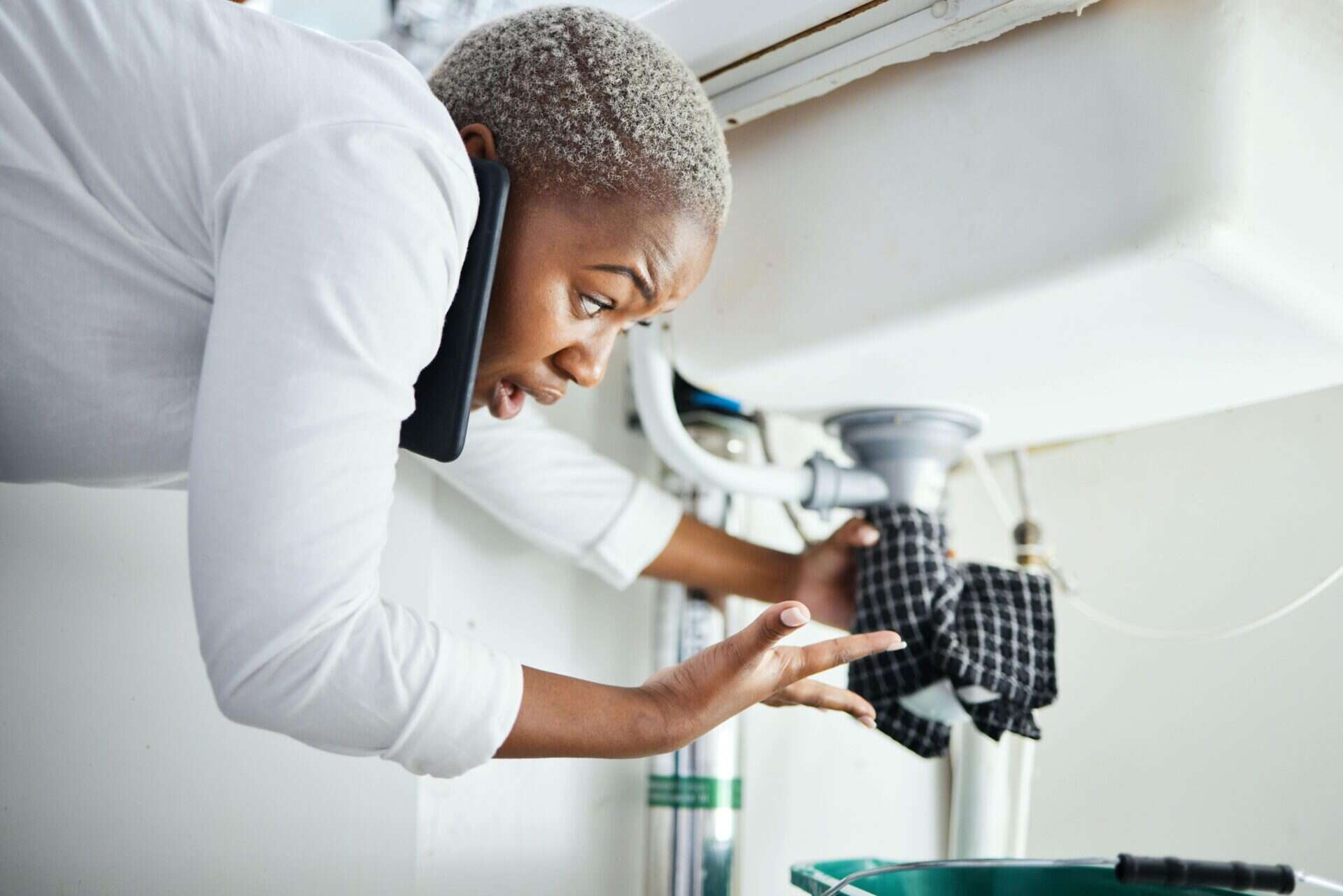
Water damage is an unfortunately common issue for homeowners, often taking residents by surprise and leaving behind a trail of destruction. From soaked carpets and warped floors to mold growth and structural deterioration, the effects can be devastating.
What makes water damage particularly challenging is that many of its causes are preventable with the proper knowledge and precautions. In this article, we’ll explore the biggest culprits behind residential water damage, from hidden plumbing leaks to weather-related disasters, and provide practical steps you can take to protect your home and avoid expensive repairs down the line. Whether you’re a new homeowner or a seasoned property owner, understanding these risks is the first step toward safeguarding your investment.
Causes of Water Damage
Water damage in homes can come from a wide range of causes, many of which are preventable with proper maintenance and awareness. Being aware of these common causes is the first step toward preventing costly and stressful water damage.
Leaking or Burst Pipes
One of the most common culprits is burst pipes, which can result from aging materials, corrosion, freezing temperatures, or excessive water pressure. As we head into winter, it’s essential to keep an eye out for frozen pipes.
Similarly, plumbing system failures, such as faulty pipe joints or worn-out appliance hoses, often lead to slow leaks that may go unnoticed until significant damage has occurred. Roof leaks are another frequent issue, typically caused by missing shingles, clogged gutters, or damaged flashing, all of which can allow water to seep into attics and walls.
Clogged Gutters and Downspouts
Clogged gutters and downspouts also pose a risk. When water can’t flow freely away from the house, it may overflow and collect near the foundation, increasing the likelihood of basement flooding. Similarly, poor drainage around the foundation, often due to improper grading, can allow water to pool and eventually seep into lower levels of the home.
Foundation Problems
Foundation problems can lead to water damage by creating cracks or gaps where water can seep into your home, especially during heavy rain or snowmelt. When the soil around the foundation shifts, settles, or retains excess moisture, it can put pressure on the walls, causing them to crack or weaken.
These openings allow water to enter basements or crawl spaces, leading to dampness, mold growth, and even structural damage over time. Poor drainage around the foundation can worsen the problem, allowing water to pool and penetrate deeper into the home.
Extreme Weather Events
Extreme weather events such as heavy rain, snowmelt, hurricanes, or localized flooding can overwhelm even well-maintained homes, causing sudden and extensive water intrusion. Being aware of these common causes is the first step toward preventing costly and stressful water damage.
Types of Damage Water Can Cause
Water can cause a wide range of damage to a home, affecting everything from structural components to personal belongings. One of the most immediate impacts is the saturation of building materials such as drywall, insulation, flooring, and wood framing.
When these materials absorb water, they can weaken, warp, or rot, compromising the structural integrity of the home. In severe cases, water damage can lead to collapsed ceilings, buckled floors, and crumbling walls, all of which require costly repairs.
In addition to structural damage, water often creates the perfect environment for mold and mildew growth. Within just 24 to 48 hours of exposure to moisture, mold spores can begin to spread on damp surfaces. This not only leads to unpleasant odors and unsightly stains but also poses serious health risks—particularly for individuals with allergies, asthma, or weakened immune systems. Mold remediation can be expensive and invasive, often requiring the removal and replacement of affected materials.
Water damage can also ruin personal belongings such as furniture, electronics, clothing, and important documents. Porous items like upholstered furniture or rugs may be difficult or impossible to fully dry and clean, leading to permanent loss.
Electrical systems can also be compromised, increasing the risk of shorts, power outages, or fire hazards if not properly addressed. Over time, undetected or untreated water damage can significantly decrease a home’s value and may lead to higher insurance premiums or difficulty selling the property. This makes prompt detection and repair critical to minimizing both immediate and long-term impacts.
How to Protect Your Home
Though water can have devastating effects on your home, the good news is that there are steps you can take to protect yourself and your belongings.
Regularly Inspect and Maintain Plumbing
Check your pipes, faucets, and appliance hoses regularly for leaks, corrosion, or wear. Replacing old or damaged plumbing components can prevent small leaks from turning into major water issues.
Clean Gutters and Downspouts
Keep gutters and downspouts clear of leaves, debris, and blockages so rainwater can flow away from your home. Clogged gutters can overflow and lead to water pooling near your foundation, increasing the risk of basement leaks.
Ensure Proper Drainage Around the Foundation
Make sure the soil around your home slopes away from the foundation to direct water away. You can also install or maintain French drains, sump pumps, or drainage tiles to improve water flow and prevent seepage.
Install a Sump Pump or Test and Maintain Your Current One
A sump pump in your basement or crawl space helps remove excess water during heavy rains or flooding. Choose a model with a battery backup to keep it running during power outages.
If you already have a sump pump, test it regularly by pouring water into the pit to make sure it activates. Clean it out periodically and check that the discharge pipe is not blocked.
Seal Cracks in the Foundation and Walls
Inspect your foundation, basement walls, and around windows for cracks or gaps. Use waterproof sealant or hire a professional to fix them and prevent water intrusion.
Maintain Your Roof
Inspect your roof at least once a year for missing or damaged shingles, deteriorated flashing, or signs of wear. A well-maintained roof prevents water from seeping into the attic and causing hidden damage.
Install Water Leak Detectors
Place smart water leak detectors near appliances, sinks, or in basements to get alerts if a leak occurs. These devices can catch issues early before major damage.
Insulate Pipes
In colder climates, insulate exposed pipes to prevent them from freezing and bursting during winter. Burst pipes are one of the leading causes of sudden, severe water damage.
Check and Replace Appliance Hoses
Inspect washing machines, dishwashers, and refrigerators regularly, especially the hoses and connections. Replace any brittle, cracked, or old hoses with stainless steel braided versions for better durability.
Need Water Damage Clean Up? Tri State Mold Doctors Can Help
Water damage can strike quickly, but with regular maintenance and proactive habits, you can dramatically reduce your risk. By taking the time to understand how water damage clean up
works and addressing vulnerabilities early, you can save yourself the stress, expense, and disruption that come with major repairs.
Your home is one of your most important investments. Protect it by staying vigilant, prepared, and proactive against water damage.
If you’re dealing with water damage in your home, whether from frozen pipes, leaks, or flooding, don’t wait for the problem to get worse. Tri State Mold Doctors provides fast, reliable water damage remediation. Our expert team is equipped to handle everything from drying and cleanup to mold removal and structural repairs, helping you restore your home safely and thoroughly.
Let us take the stress out of water damage. Call now for a professional assessment and peace of mind.