
The storm has passed, the rain has stopped, and now you are standing in a wet basement, a soaked first floor, or a flooded storage room, wondering what comes next. Here is the part many people don’t realize: the clock is already running. When water gets into a home or business, mold can begin colonizing damp materials within 24 to 48 hours.
Whether you are dealing with mold after storm flooding, post-storm mold growth, or the aftermath of a hurricane, the steps you take in the first two days make a big difference. Acting quickly can reduce damage, limit repair costs, and protect everyone’s health in the building. Here is what to do, in order.
Why the First 48 Hours Matter
Mold spores are everywhere, indoors and out. They are harmless in small numbers as long as they stay dry. But when spores land on a wet surface that stays wet, they start to grow. Drywall, carpet, wood framing, insulation, and cardboard are all ideal food sources.
Stormwater makes the problem worse. Floodwater often carries dirt, sewage, and bacteria, and it soaks deep into porous materials. The longer those materials stay wet, the more established the mold becomes, and the harder it is to remove. Within a few days, a problem that could have been handled with fast drying can turn into a full remediation project.
That is why the 48-hour window is so important. Think of it as your best chance to stop mold before it starts.
Step 1: Put Safety First
Before you touch anything, make sure the space is safe to enter.
- Turn off electricity in affected areas at the breaker if you can reach it safely. Never step into standing water if outlets, appliances, or cords may be submerged. If you are unsure, wait for an electrician.
- Watch for structural damage, such as sagging ceilings, shifting floors, or cracked foundation walls.
- Wear protective gear. Rubber boots, waterproof gloves, safety goggles, and an N95 respirator are a good minimum, especially if floodwater is involved.
- Assume floodwater is contaminated. Treat it as unsanitary, and keep children, pets, and anyone with respiratory conditions out of the area.
Step 2: Stop the Source and Remove Standing Water
If water is still coming in, stop it if you safely can. That might mean shutting off a broken water supply line, clearing a clogged drain, or covering a damaged roof with a tarp. Once the source is controlled, remove standing water as fast as possible using pumps, a wet/dry vacuum, or buckets and mops.
For anything more than a few inches of water, professional pumping and extraction equipment will be faster and more effective than household tools. Every hour water sits on the floor, it wicks further into walls and subfloors.
Step 3: Document Everything
Before you move or discard anything, take photos and video of the damage. Capture the water line on the walls, damaged belongings, and any visible mold. Write down what was affected and when you discovered it.
This documentation will be valuable when you file an insurance claim. Contact your insurance company as early as you can, and ask what they require before cleanup begins. Documenting first lets you start drying right away without putting your claim at risk.
Step 4: Remove What Can’t Be Saved
Some materials hold moisture so stubbornly that they are very difficult to dry in time. In general, the following should be removed if they were soaked by floodwater:
- Carpet and padding
- Wet insulation
- Drywall that has been saturated, especially if the water was contaminated
- Mattresses, upholstered furniture, and stuffed items
- Cardboard boxes and paper goods
Solid wood furniture, hard plastics, and metal items can often be cleaned and dried. If you are not sure whether something can be salvaged, set it aside and ask a professional. Moving wet items out of the building quickly also helps reduce indoor humidity.
Step 5: Dry Everything, Fast
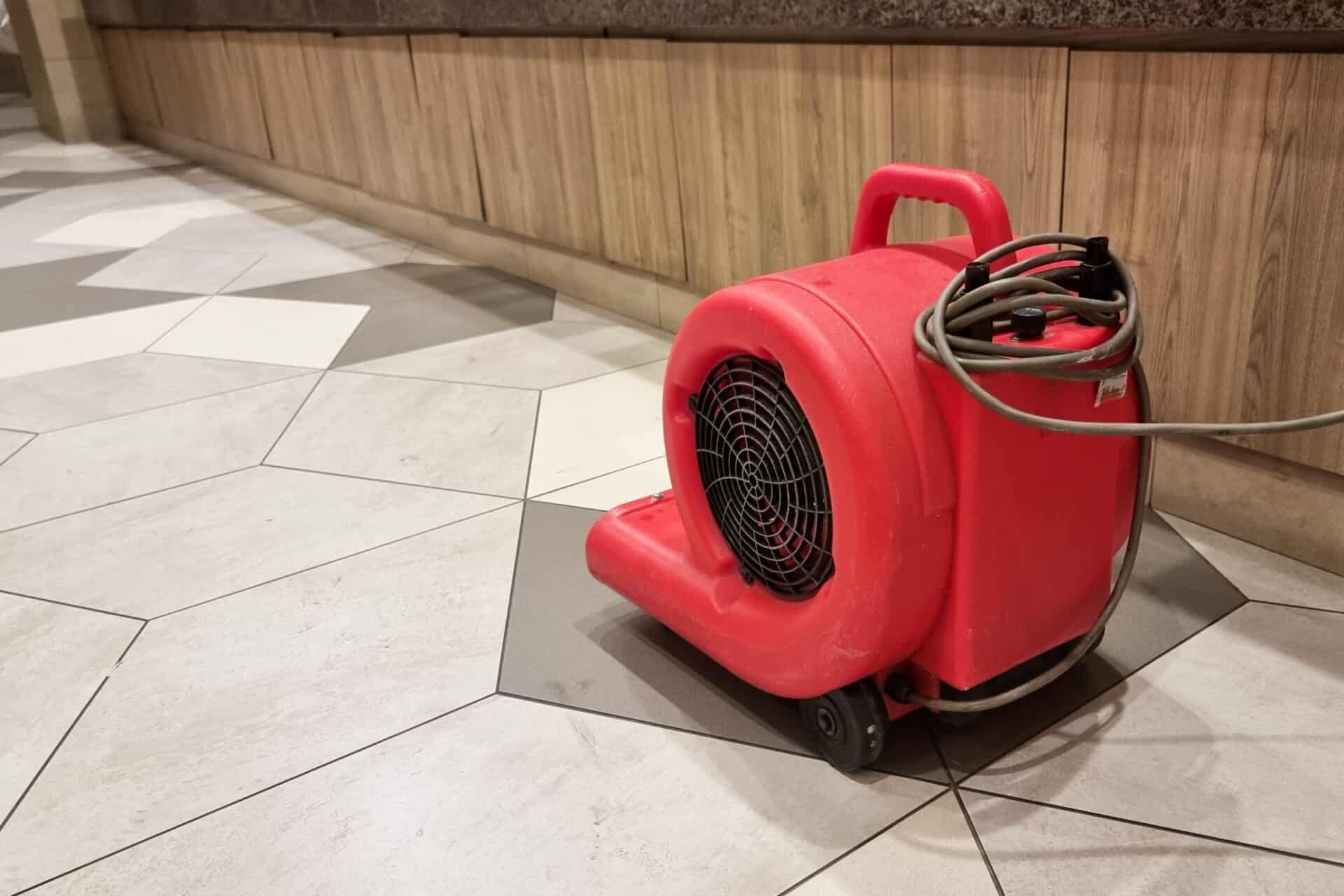
Drying is the single most important step in mold prevention after a storm. Your goal is to bring moisture levels down as quickly as possible.
- Open windows and doors if outdoor humidity is lower than indoor humidity.
- Run fans to move air across wet surfaces. Point them at walls and floors, not just into the room.
- Use dehumidifiers to remove moisture from the air. Empty them often.
- Lift and prop up furniture and remove baseboards if you can, so air can reach wall cavities.
Keep in mind that surfaces can look dry while moisture remains trapped behind walls, under flooring, or inside insulation. Household fans and a single dehumidifier are often not enough for a significant flood. Professional-grade drying equipment and moisture meters can find and treat hidden dampness that you can’t see.
Step 6: Know the Warning Signs of Mold
Even with swift action, it is smart to keep monitoring the space over the next several days and weeks. Signs of mold growth include:
- A musty or earthy smell, even when nothing looks wrong
- Visible spots black, green, white, or gray, often on walls, ceilings, or around baseboards
- Peeling paint or bubbling wallpaper
- Warped or discolored drywall or flooring
- New allergy-like symptoms, such as coughing, sneezing, watery eyes, or headaches, that improve when you leave the building
- A musty smell with no visible mold often means growth is hiding inside a wall or beneath a floor.
What Not to Do After a Storm
In the stress of a cleanup, it is easy to make mistakes that worsen mold.
- Don’t wait for the weather to improve. Drying should begin immediately.
- Don’t cover wet materials with paint, new flooring, or sealant—they trap moisture and feed mold.
- Don’t run the HVAC system if the ductwork may have been flooded or if mold is suspected, as it can spread spores throughout the building.
- Don’t mix cleaning chemicals, especially bleach and ammonia. This can create toxic fumes.
- Don’t assume bleach is the answer. It does not solve the moisture problem and is ineffective on porous materials such as drywall and wood.
Special Concerns for Homes and Businesses in Our Region
Older homes across Eastern Pennsylvania, Northern Delaware, and New Jersey often have basements, crawl spaces, and aging drainage that are especially vulnerable to storm flooding. Coastal and river-adjacent communities face additional risks from storm surge and rising water tables. Our humid summers and damp fall weather can slow natural drying, which gives mold an extra advantage.
Commercial properties have their own challenges. Offices, retail spaces, and warehouses with large floor areas and shared ventilation can see mold spread quickly, and downtime costs money. Fast response protects both your property and your business.
When to Call a Professional
Some situations are manageable on your own. Many are not. It is time to call a professional if:
- Floodwater entered your home or business, especially if it may contain sewage
- Water has been present for more than 24 hours
- Walls, ceilings, or insulation are wet
- You can see or smell mold
- The affected area is larger than about ten square feet
- Anyone in the building has asthma, allergies, a weakened immune system, or other health concerns.
A professional team can extract water, thoroughly dry the structure, assess hidden moisture, and safely remove mold if it has already taken hold. Just as important, they can tell you honestly whether you have a mold problem at all, which gives you peace of mind during a stressful time.
Don’t Wait. Get Answers From Tri State Mold Doctors Today.
Storm damage is overwhelming, but you don’t have to figure it out alone. The first 48 hours are critical, and a quick conversation with an expert can help you decide what to do next.
Tri State Mold Doctors provides emergency flood cleanup and mold services for homeowners and businesses across Eastern Pennsylvania, Northern Delaware, and New Jersey. We offer free consultations so that you can get clear guidance on your situation without any pressure.
If a storm has hit your property, contact us today. The sooner we start, the better the outcome for your property and your family.