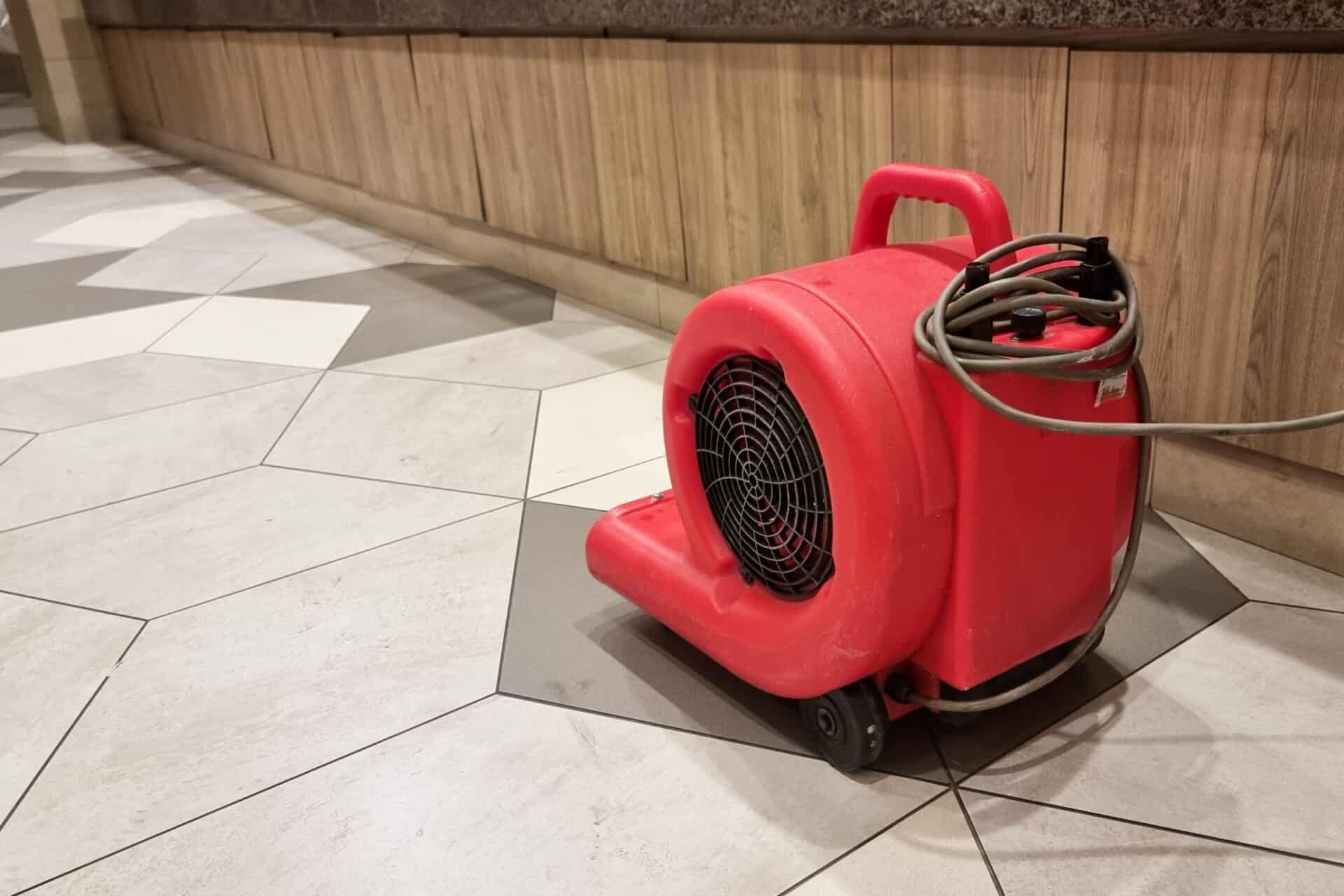
Mold After a Storm: What to Do in the First 48 Hours
The storm has passed, the rain has stopped, and now you are standing in a wet basement, a…

Mold is a naturally occurring fungus that thrives in damp, poorly ventilated environments, making homes especially vulnerable after water damage, leaks, or high humidity. While mold spores exist everywhere, problems arise when moisture allows colonies to grow unchecked inside walls, ceilings, crawl spaces, or HVAC systems.
Indoor mold growth isn’t just a cosmetic issue. It can weaken building materials, damage insulation and drywall, and spread rapidly if the underlying moisture source isn’t addressed. Many homeowners don’t realize mold is present until musty odors, discoloration, or persistent moisture problems appear.
Understanding how mold forms, where it hides, and when professional remediation is required is critical to protecting both the structure of your home and the people living inside it.
The storm has passed, the rain has stopped, and now you are standing in a wet basement, a…
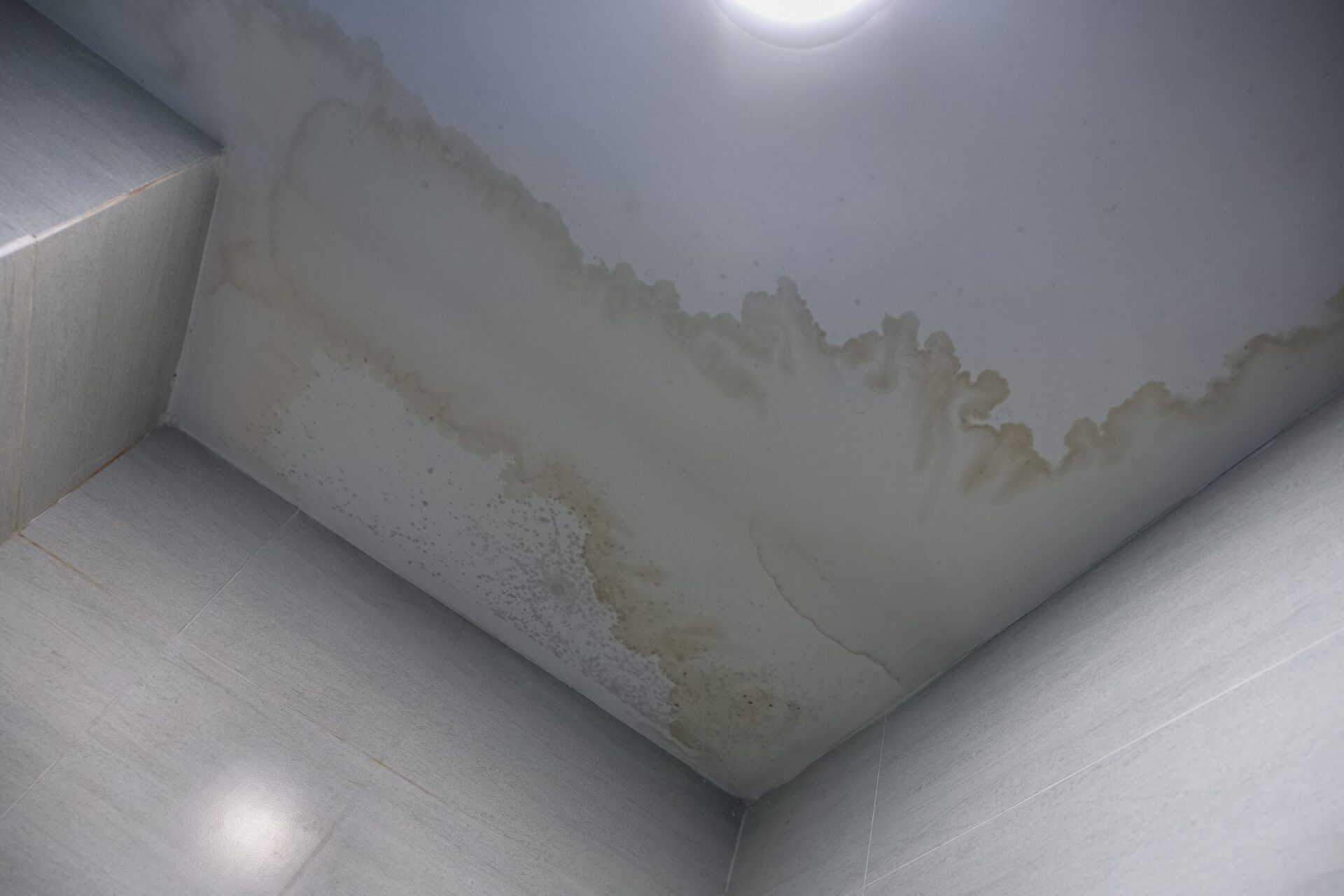
Mold is more than a residential concern. In commercial buildings, a moisture problem can quickly become a business…
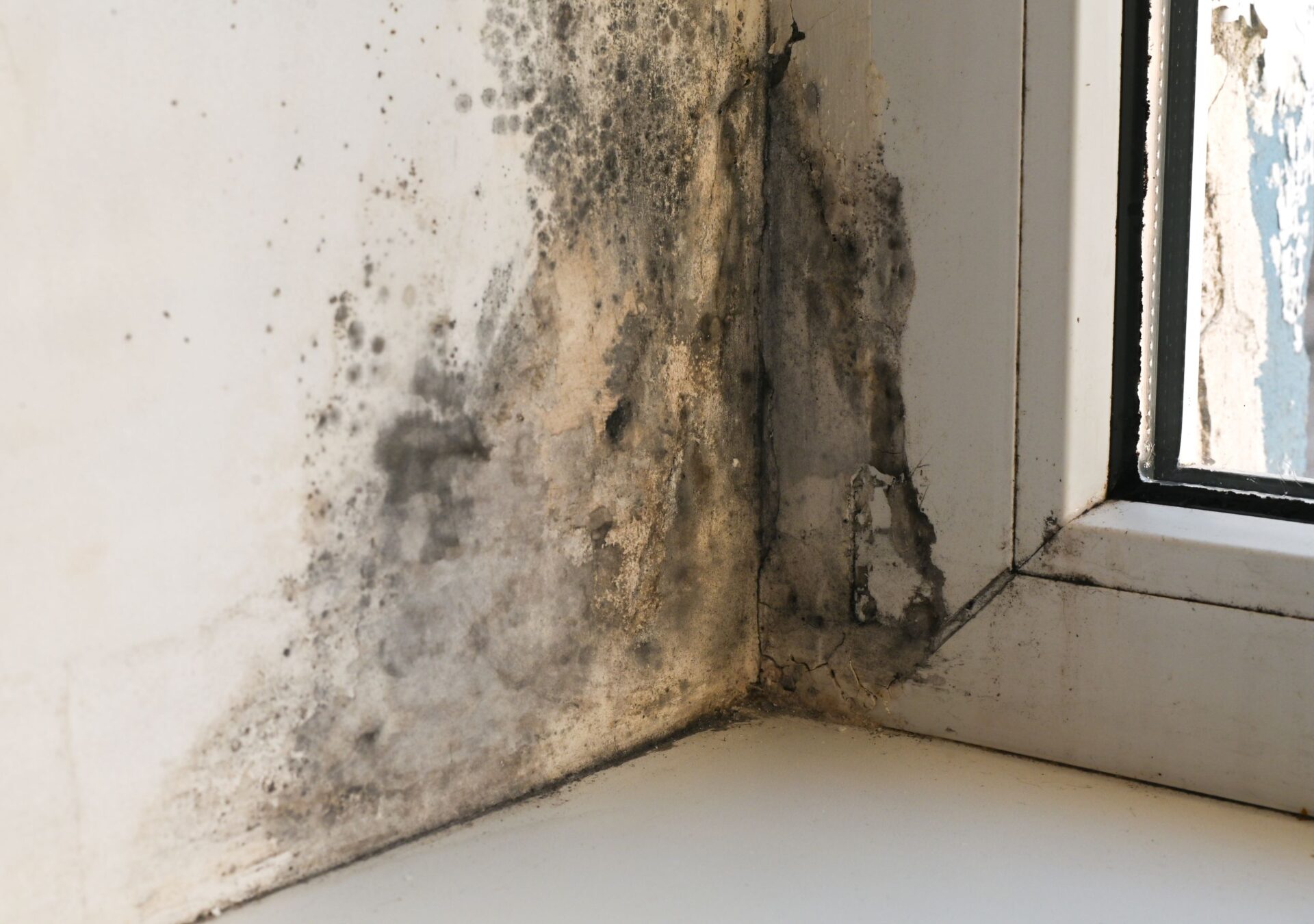
When you discover a dark spot on a bathroom wall, a musty smell in the basement, or discoloration…

Finding mold in your home or business can be stressful. Once the source of moisture has been corrected…
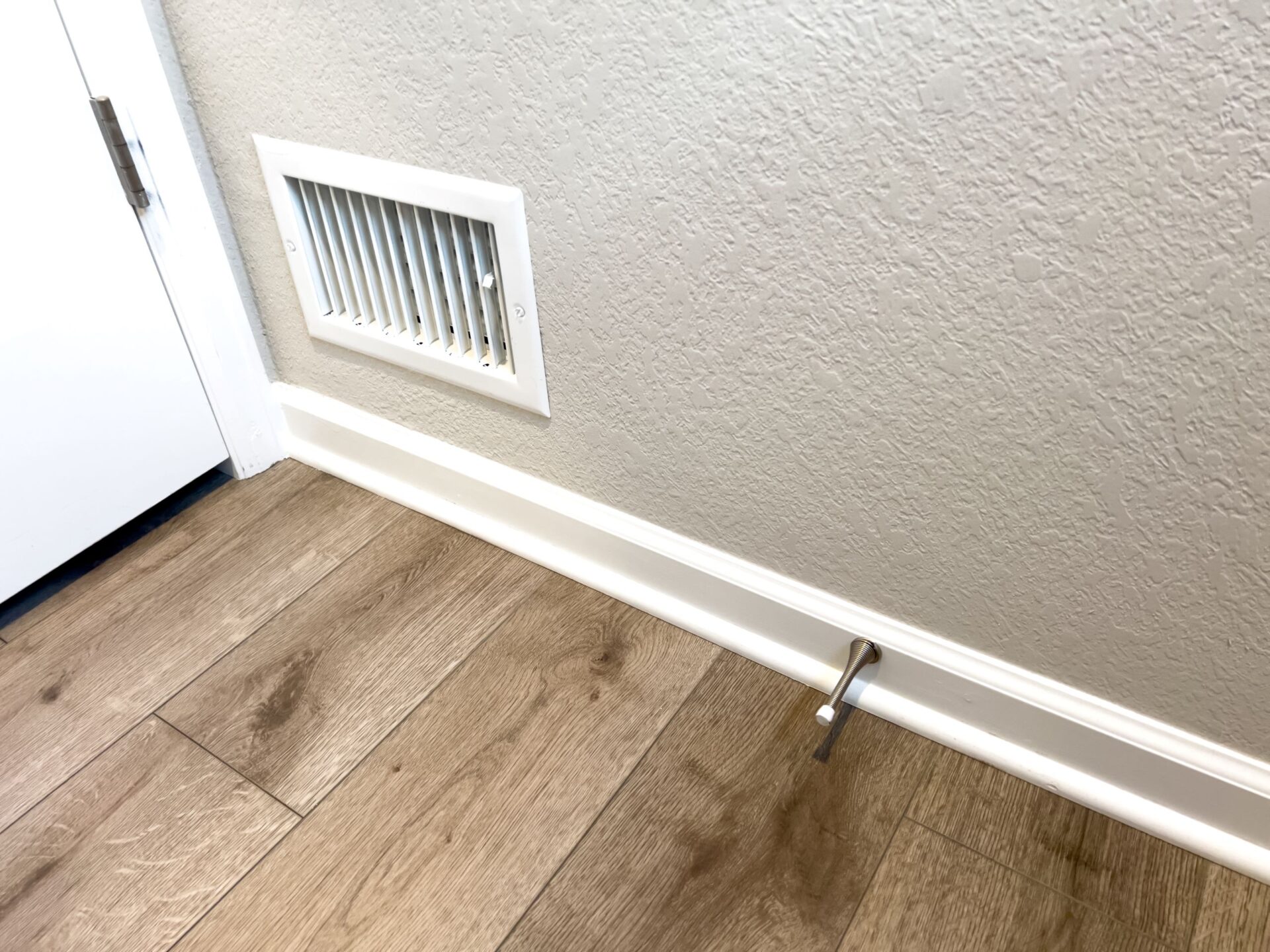
Your HVAC system plays an important role in keeping your home comfortable. It moves heated and cooled air…
Flooding can turn a normal day into a stressful emergency in a matter of minutes. Whether the water…