
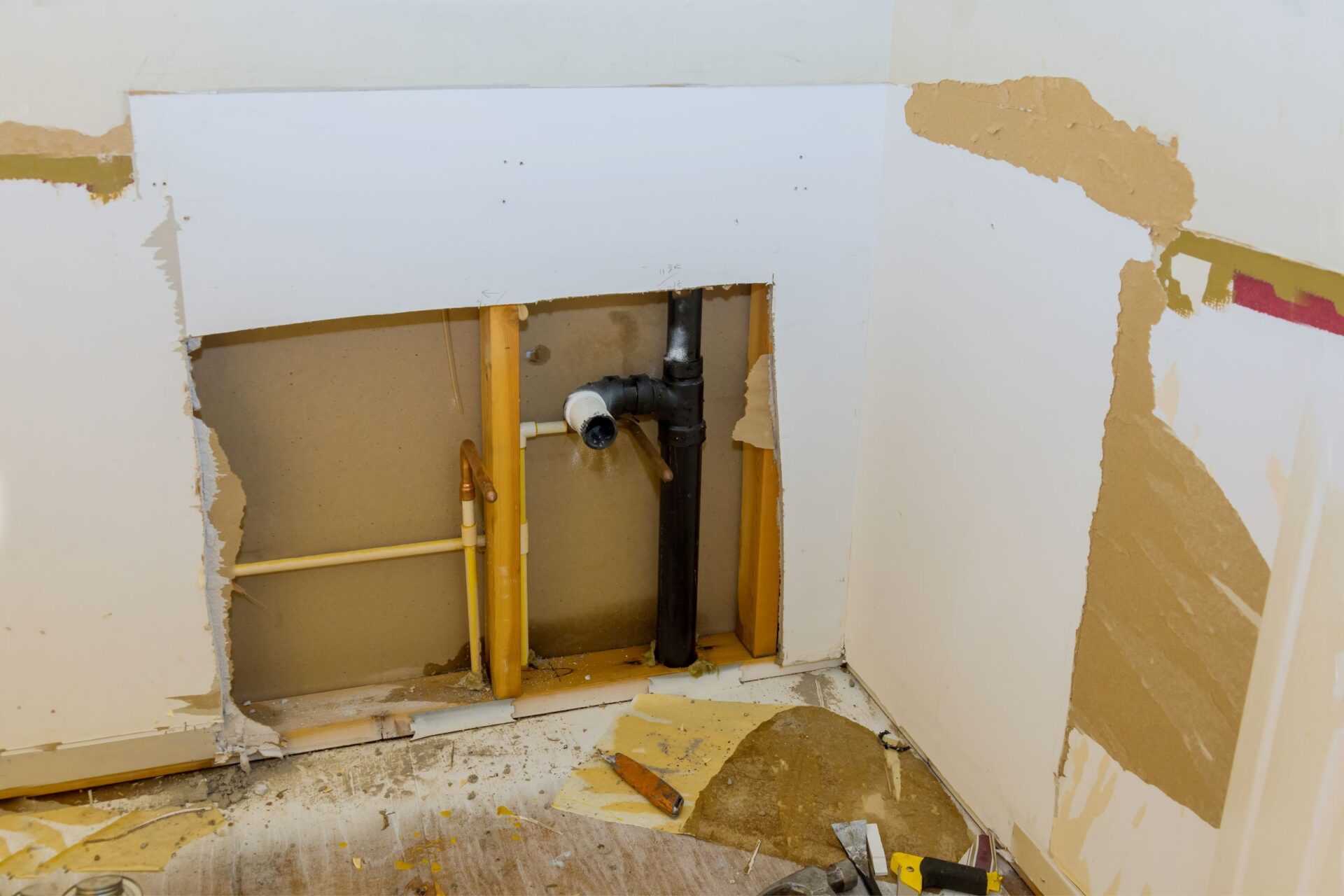
Flooding can turn a normal day into a stressful emergency in a matter of minutes. Whether the water comes from a severe storm, an overflowing river, a burst pipe, or a sewage backup, homeowners are often left wondering what can be salvaged and what needs to be replaced. One of the most common questions after water damage is: Can wet drywall be saved, or does it have to be removed?
The answer depends on several factors, including the source of the water, how long the drywall has been wet, and the extent of the damage. Acting quickly is critical because wet drywall can become a breeding ground for mold and may compromise the structural integrity of your home. Understanding when drywall can be restored and when professional removal is necessary can help you make informed decisions and avoid costly long-term problems.
Why Drywall Is Vulnerable to Flood Damage
Drywall is highly porous, meaning it readily absorbs moisture. The gypsum core inside drywall acts almost like a sponge, soaking up water and retaining it long after surface moisture appears to be gone.
When drywall becomes saturated, several problems can occur:
- Loss of structural strength
- Swelling and warping
- Staining and discoloration
- Crumbling or soft spots
- Mold growth inside walls
- Damage to insulation and framing behind the drywall
Because moisture can remain hidden behind walls, the visible damage is often only part of the problem.
When Wet Drywall Can Potentially Be Saved
Not all water-damaged drywall requires replacement. In some situations, restoration may be possible if action is taken quickly.
The Water Was Clean
The source of the water is one of the biggest factors in determining whether drywall can be salvaged.
Drywall may be saved when the water originates from a relatively clean source, such as:
- A broken supply line
- An overflowing sink without contaminants
- Appliance leaks
- Rainwater intrusion that has not mixed with contaminants
Water restoration professionals call this Category 1 water, or “clean water.”
The Drywall Was Wet for a Short Period
Time matters. If the drywall has only been wet for 24 to 48 hours and drying begins immediately, there is a better chance of successful restoration. Professional drying equipment can remove moisture before significant deterioration occurs.
The Drywall Shows Minimal Damage
In some cases, drywall may be salvageable if it remains firm to the touch, free from swelling, structurally intact, and without signs of mold growth. Moisture detection tools and thermal imaging equipment can help determine how much water has penetrated the wall system.
Professional Drying is Performed
Simply opening windows or running household fans is rarely enough after a flood.
Professional flood cleanup teams use:
- Industrial air movers
- Commercial dehumidifiers
- Moisture monitoring equipment
- Advanced drying techniques
These tools help remove trapped moisture from drywall, insulation, and structural materials more effectively than DIY methods.
When Drywall Must Be Removed
Unfortunately, many flood situations require drywall replacement rather than restoration.
The Water Is Contaminated
One of the clearest situations requiring drywall removal is exposure to contaminated water. This type of water often contains bacteria, viruses, chemicals, and other harmful contaminants.
Examples include:
- Sewage backups
- Toilet overflows involving waste
- Flood waters from rivers, streams, or streets
- Storm surge flooding
Because drywall absorbs contaminated water deeply, thorough cleaning is often impossible. In these situations, removal is generally considered the safest option.
The Drywall Has Been Wet for More Than 48 Hours
Mold growth can begin surprisingly quickly. In many cases, mold begins to develop within 24 to 48 hours after water exposure. Once mold becomes established inside drywall, restoration becomes significantly more difficult. If drywall has remained wet for several days, replacement is often the most effective way to protect indoor air quality and prevent future issues.
The Drywall Is Swollen or Soft
Physical deterioration is another sign that drywall needs to be removed. Once drywall loses its structural integrity, drying alone will not restore its original strength
Common warning signs include:
- Building walls
- Soft spots
- Sagging sections
- Crumbling surfaces
- Peeling paint
- Delamination.
Mold Is Present
Visible mold growth on drywall is a major red flag. Even if mold appears limited to one area, spores may have spread behind the wall. Professional assessment is essential to determine the full extent of contamination.
You may notice:
- Black, green, or white spots
- Musty odors
- Staining around water-damaged areas
What About Drywall That Looks Fine?
One of the biggest mistakes homeowners make is assuming drywall is safe because it appears dry on the surface. Unfortunately, moisture can remain trapped inside walls long after visible water disappears.
Water can migrate into:
- Wall cavities
- Insulation
- Wood framing
- Baseboards
- Flooring materials
Without proper testing, hidden moisture can go undetected and create conditions for mold growth weeks or even months later. This is why professional moisture inspections are so important after a flood.
Why DIY Assessments Often Miss Hidden Damage
After a flood, many homeowners try to determine the extent of the damage themselves. While visual inspections can identify obvious problems, they often miss hidden moisture.
Professional flood restoration specialists use specialized equipment such as:
- Moisture Meters — These devices measure moisture levels inside building materials to identify areas that still contain water.
- Thermal Imaging Cameras — Infrared technology helps locate hidden moisture behind walls and ceilings without unnecessary demolition.
- Hygrometers — These instruments measure humidity levels and help ensure drying goals are achieved.
Using these tools allows restoration professionals to determine whether drywall can be safely dried or removed.
The Risks of Leaving Damaged Drywall in Place
Leaving compromised drywall in place may seem like a way to save money, but it often leads to larger expenses later. Addressing drywall damage correctly the first time is usually the most cost-effective approach.
Potential consequences include:
- Mold Growth — Even small amounts of trapped moisture can support mold growth behind walls.
- Structural Damage — Moisture can spread into framing, insulation, and flooring systems, causing additional damage over time.
- Increased Restoration Costs — What starts as a small repair can become a major remediation project if moisture remains hidden for weeks or months.
What Should You Do Immediately After a Flood?
If your home experiences flooding, taking quick action can significantly reduce damage.
Follow these steps:
- Ensure the area is safe to enter.
- Stop the water source if possible.
- Document damage for insurance purposes.
- Remove standing water as quickly as possible.
- Contact a professional flood cleanup company.
- Begin drying and moisture assessment immediately.
The sooner restoration professionals can evaluate the situation, the better the chances of minimizing damage and preventing mold growth.
Professional Flood Cleanup With Tri State Mold Doctors Makes the Difference
Determining whether drywall can be saved isn’t always straightforward. Every flood is different, and factors such as water category, saturation level, drying time, and hidden moisture all influence the outcome.
Professional restoration experts have the training, equipment, and experience needed to accurately assess flood damage and recommend the safest, most cost-effective solution. If your property has experienced flooding, don’t assume your drywall is safe—or that it has to be replaced. A professional evaluation can identify the best path forward and help protect your home from long-term damage.
At Tri State Mold Doctors, we provide emergency flood cleanup services throughout Eastern Pennsylvania, Northern Delaware, and New Jersey. Our team performs thorough moisture inspections, professional drying, water damage restoration, and mold remediation when necessary.
Contact us today for a free consultation and expert flood damage assessment.