
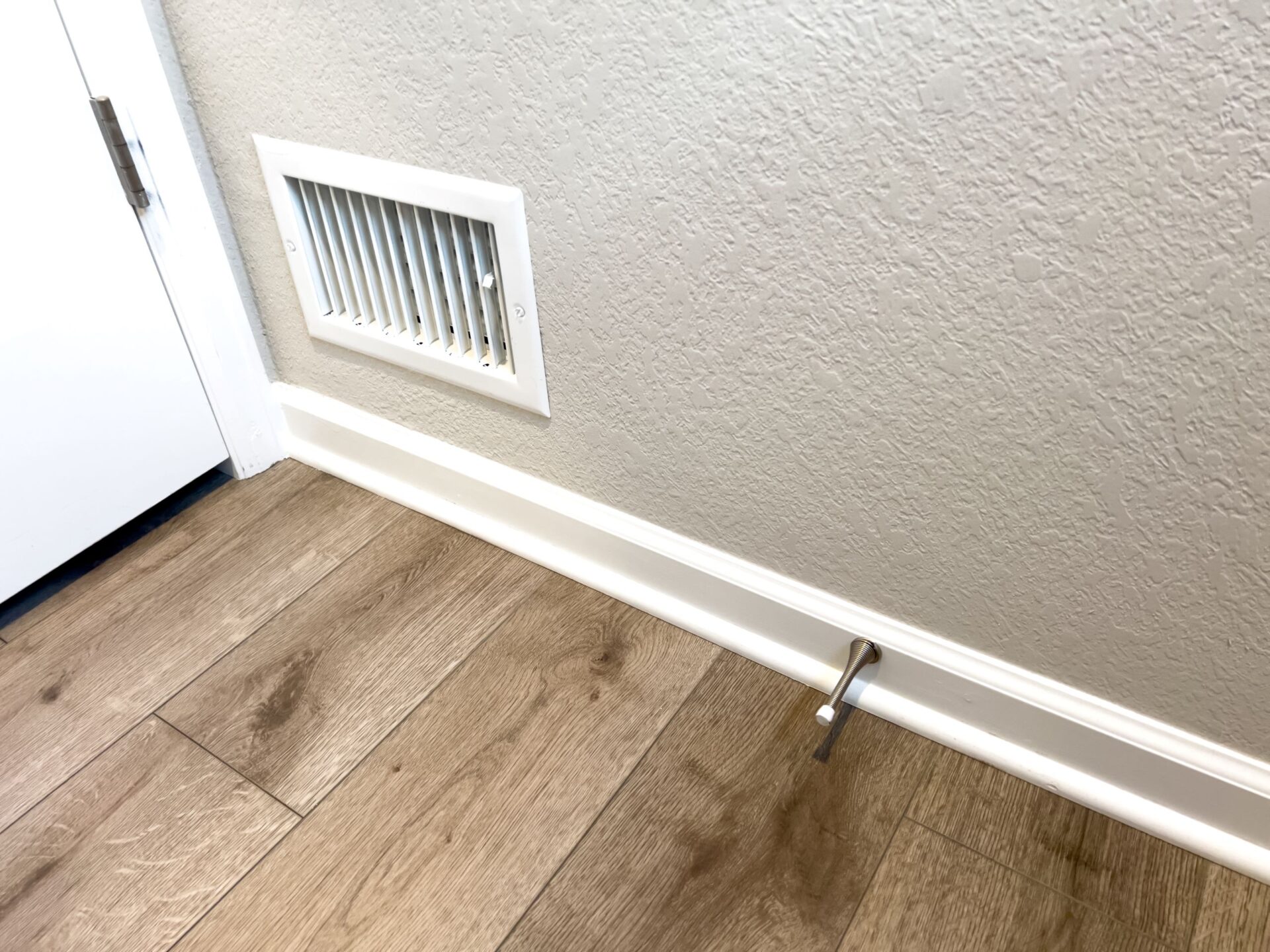
Your HVAC system plays an important role in keeping your home comfortable. It moves heated and cooled air through your living spaces, helping maintain a consistent temperature throughout the year. But what happens when moisture and mold become part of the equation?
A moisture problem near your HVAC equipment can create conditions where mold develops. When mold contamination involves areas connected to your home’s air circulation system, there is a potential for mold particles to become airborne and move beyond the original problem area.
That does not mean every instance of mold near an HVAC system has contaminated your entire home. However, suspected mold involving ductwork, air handlers, or other HVAC components deserves professional attention. Understanding the connection between HVAC systems, moisture, and mold can help you recognize problems early and avoid turning a localized issue into a much larger remediation project.
How Can an HVAC System Contribute to Mold Growth?
Mold needs moisture and an appropriate environment in which to grow. Unfortunately, HVAC systems can encounter moisture as part of their normal operation.
Air conditioning systems remove humidity from indoor air, producing condensation. That condensation is normally collected and drained away. If a drain line becomes clogged, a drain pan develops a problem, insulation becomes wet, or another component malfunctions, moisture can accumulate where it should not.
HVAC-related water damage can also occur when equipment leaks or condensation forms on ductwork. Tri State Mold Doctors specifically identifies HVAC systems and air conditioners as potential sources of water damage because condensation must drain properly. If it does not, water can enter walls, ceilings, attics, or crawl spaces, contributing to mold growth and structural damage.
Can Mold Spread Through Air Ducts?
Your HVAC system circulates air throughout your property. That is its job.
If mold contamination is present within portions of the HVAC system or in areas directly connected to the airflow, airborne particles may potentially travel through the system and reach other areas. However, it is important not to assume that visible mold around one vent means every room in the home has been contaminated.
The extent of a mold problem depends on several factors, including:
- Where the mold is located
- Whether the HVAC system itself is affected
- How Much contamination is present
- Whether the system has been operating
- The source and extent of the moisture
- How long the moisture problem has existed
- Whether other areas of the property have been affected
A professional assessment can help determine whether the concern is limited to one area or requires a broader investigation.
Warning Signs of Possible HVAC-Related Mold
Mold inside or around an HVAC system is not always immediately visible. In some cases, the first warning sign may be an odor or recurring moisture problem.
Pay attention to:
- Persistent musty or earthy odors
- Musty smells that become noticeable when the HVAC system turns on
- Visible discoloration around vents or registers
- Moisture or condensation near HVAC equipment
- Water stains around ceilings or ductwork
- Damp or deteriorating insulation
- Mold that repeatedly returns after cleaning
- Unexplained humidity problems
- A history of flooding or water damage
- Water accumulating near an air conditioner, furnace, or air handler.
A musty odor does not automatically mean that mold is growing inside your ducts. Dust, dirty filters, drainage issues, and other HVAC problems can also create odors. However, a persistent odor combined with moisture or visible growth should not be ignored.
Why Cleaning the Vent May Not Solve the Problem
Suppose you notice dark discoloration around an air vent. It may be tempting to remove the cover, clean it, spray the surrounding area, and assume the problem is resolved. Unfortunately, that approach may only address what you can see.
If moisture is coming from behind the vent, inside the ductwork, around insulation, or from an HVAC component, cleaning the vent does not correct the underlying problem. The same principle applies to mold anywhere in your home.
Mold remediation is not simply about making visible growth disappear. The moisture source must be identified and addressed, and affected areas need to be evaluated to determine the appropriate remediation strategy.
Why Duct Mold Is Not a DIY Project
There is a major difference between replacing an air filter or cleaning a removable vent cover and addressing suspected mold contamination within an HVAC system. Aggressively brushing, scraping, vacuuming, or disturbing suspected contamination can potentially release particles into the surrounding air.
Professional remediation requires careful planning to prevent unnecessary spread of contamination. Depending on the circumstances, the process may include containment, specialized filtration, controlled removal, moisture detection, cleaning, drying, and post-remediation verification.
This is particularly important when the source of contamination is uncertain. A professional can help determine whether the problem involves the ductwork itself, the surrounding building materials, the HVAC equipment, or another moisture source entirely.
Moisture Is Often the Real Problem
If mold is developing around an HVAC system, removing the mold without correcting the moisture problem can leave the property vulnerable to recurring growth. For example, a clogged condensate drain may allow water to accumulate repeatedly. Wet insulation may continue to hold moisture. A leak above a ceiling may continue feeding moisture into the structure.
Until the source is corrected, the conditions that contributed to the mold may remain. This is why Tri State Mold Doctors approach restoration as a process rather than a one-time cleaning.
Its process includes assessing and advising, stabilizing and extracting, drying and cleaning, and documenting and restoring. That approach is especially important when mold develops after water damage.
What Should You Do If You Suspect Mold in Your HVAC System?
If you believe mold may be associated with your HVAC system, avoid immediately taking the system apart or attempting extensive cleaning yourself. Instead, take a few practical steps.
1. Look for the Source of Moisture
Think about whether you have noticed leaking, condensation, flooding, plumbing problems, roof damage, or other sources of water. Finding the moisture source is essential to preventing recurring mold.
2. Don’t Disturb Suspected Mold
Avoid scraping, brushing, or aggressively cleaning a potentially contaminated area until you know what you are dealing with. Disturbing mold can potentially spread particles into the air.
3. Have the Area Professionally Evaluated
A professional assessment can help determine the extent of the problem and whether additional areas need to be inspected. If mechanical HVAC repairs are needed, an HVAC contractor may also be necessary. Mold remediation and HVAC professionals can address their respective portions of the problem.
4. Address Water Damage Quickly
If your HVAC problem has resulted in water damage, don’t wait for mold to appear before taking action. Water can become trapped inside walls, floors, insulation, and other building materials even when surfaces appear dry.
What Happens During Professional Mold Remediation?
Professional mold remediation involves more than simply removing visible mold. Trained remediation professionals first inspect the affected areas, identify the source of moisture, and determine the extent of the mold growth.
The contaminated area is then contained to help prevent mold spores from spreading to other parts of the property. Depending on the situation, affected materials may be cleaned, treated, or safely removed and replaced, while specialized equipment such as HEPA air scrubbers and vacuums helps capture airborne spores and improve indoor air quality.
Once the mold has been removed, the underlying moisture problem must be addressed to help prevent it from returning. A professional remediation company may also perform a final inspection to confirm that the affected areas have been properly cleaned and restored.
What About the Rest of Your Home?
If mold is discovered near an HVAC system, don’t panic and assume your entire house is contaminated. At the same time, don’t assume the problem is automatically isolated.
A professional evaluation can help determine whether the issue is localized or requires attention in additional areas. Depending on the circumstances, the evaluation may consider HVAC components, surrounding building materials, areas with previous water damage, moisture levels, and other locations where mold could potentially develop. The objective is to understand the scope of the problem before unnecessary demolition or remediation takes place.
Don’t Let an HVAC Moisture Problem Become a Whole Home Problem
Mold and moisture problems involving your HVAC system should never be ignored, but they also don’t have to become a whole-home crisis. If you suspect mold near your HVAC system or have experienced water damage, enlisting the services of an experienced remediation company is essential.
Tri State Mold Doctors provides 24/7 emergency cleanup for water, mold, and fire damage, serving homeowners and businesses throughout its local Tri-State service area. Our team specializes in emergency water extraction and cleanup, mold remediation and removal, and fire cleanup. When moisture and mold threaten your property, professional assessment can help identify the source, determine the extent of the problem, and establish the right path toward restoration.
Don’t wait until a small moisture problem becomes a much bigger one. Contact us today for professional mold remediation, moisture detection, and emergency water damage restoration.