
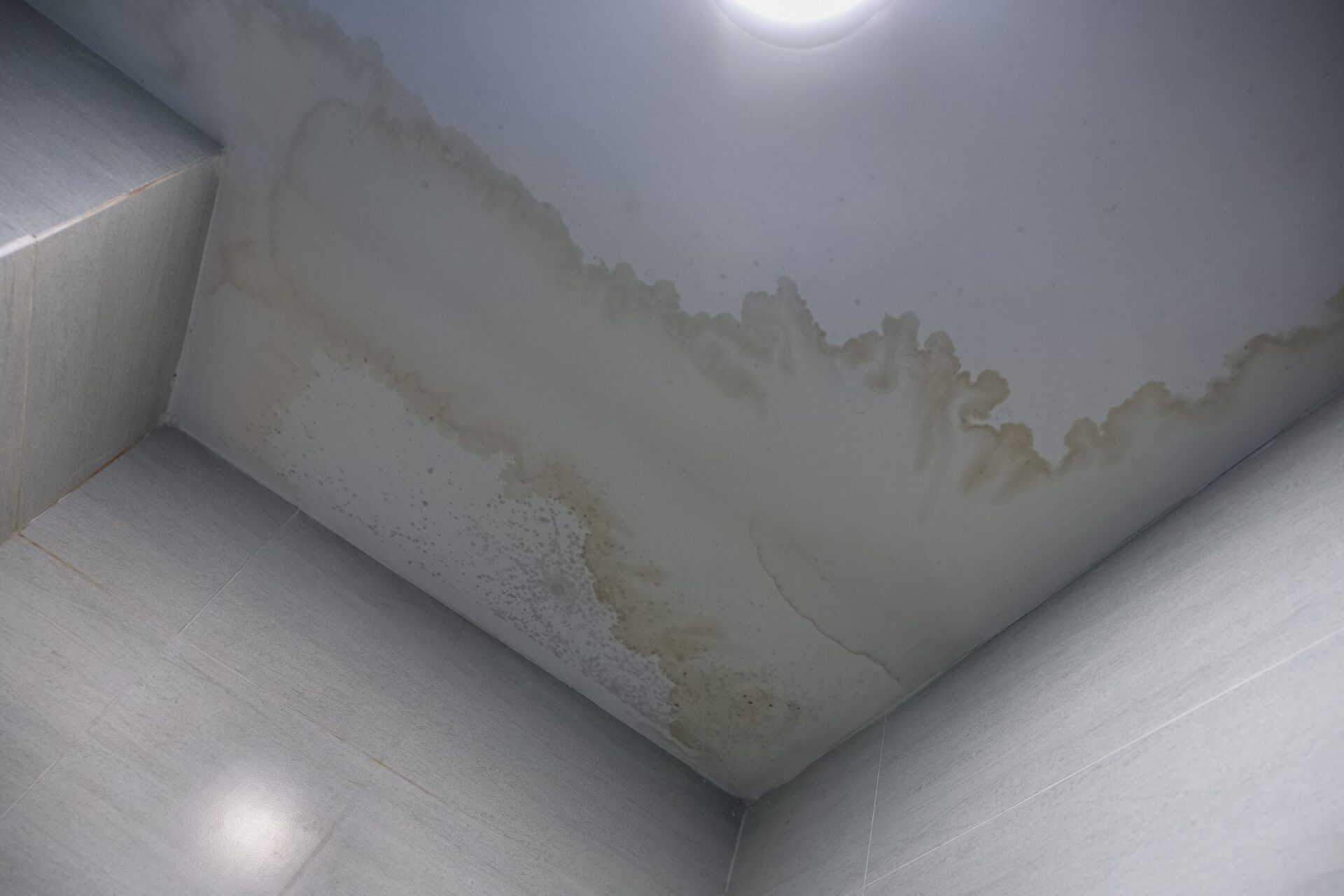
Mold is more than a residential concern. In commercial buildings, a moisture problem can quickly become a business problem—affecting employees, customers, inventory, equipment, and the building itself. A small leak, plumbing issue, roof problem, or HVAC-related moisture can create the conditions mold needs to grow, sometimes in areas that are difficult to see.
For business owners and property managers, identifying mold early is important. Ignoring musty odors, visible growth, water stains, or recurring moisture can allow the problem to spread and potentially lead to more extensive and costly remediation. Commercial mold problems can also create operational challenges when portions of a building must be closed or remediated.
Understanding what causes mold growth, where it commonly develops, and when professional remediation may be necessary can help business owners respond before a manageable moisture issue becomes a larger disruption. In this guide, we’ll cover what commercial property owners need to know about mold and the steps to take when a problem is suspected.
Why Mold Is a Serious Commercial Building Problem
Mold needs moisture, an organic food source, and the right environmental conditions to grow. Unfortunately, commercial buildings can provide plenty of opportunities for those conditions to occur.
Leaks behind walls, damp carpeting, wet insulation, HVAC issues, plumbing failures, and storm or flood damage can all introduce moisture into a building. In some cases, the visible mold is only a small indication of a larger problem hidden behind walls, ceilings, flooring, or other building materials.
Mold can also spread quickly when moisture is not addressed. That’s why business owners shouldn’t simply clean visible mold and assume the problem is solved. The underlying source of moisture needs to be identified and corrected, and the affected area should be properly evaluated.
Common Causes of Mold in Commercial Buildings
Commercial properties can experience mold problems for many reasons. Some of the most common include:
- Plumbing leaks and burst pipes
- Roof leaks
- Flooding and storm damage
- HVAC condensation or drainage problems
- Water intrusion around windows and doors
- Poor ventilation
- High indoor humidity
- Previous water damage that was never completely dried
A relatively small water event can become a major concern if moisture remains trapped inside building materials. For example, a business may experience a flood that appears to affect only the floor. However, water can migrate into drywall, insulation, baseboards, cabinets, and other porous materials. If those materials remain damp, mold growth may follow.
What Should You Do If You Find Mold at Your Business?
The first step is to avoid disturbing the affected area unnecessarily. Scrubbing, cutting into walls, or attempting extensive cleanup without understanding the extent of the problem can potentially spread contamination or make it more difficult to determine where moisture originated.
Instead, business owners should consider these steps:
Identify the source of moisture. A mold problem will continue if the underlying water issue remains unresolved. Look for leaks, standing water, condensation, or other sources of moisture.
- Address water damage quickly. If the problem resulted from flooding, a burst pipe, or another emergency, prompt water removal and drying can help limit additional damage.
- Have the affected area evaluated. A professional can help determine the extent of the moisture or mold problem and identify areas that may not be visible.
- Follow an appropriate remediation plan. Commercial properties can be significantly larger and more complicated than homes. Offices, warehouses, retail locations, and other facilities may require specialized approaches depending on the size and location of the affected area.
Mold Remediation Is Different in a Commercial Property
Commercial mold remediation can involve more than cleaning a single room. A business may have multiple occupants, large HVAC systems, extensive square footage, and valuable equipment or inventory that needs protection.
The goal is not simply to make mold disappear from visible surfaces. Effective remediation addresses the affected materials and the conditions that allowed mold to develop in the first place.
For companies searching for commercial mold remediation in NJ, mold removal for offices in PA, or help with mold in commercial buildings in Delaware, choosing an experienced restoration professional can make the process easier to manage. Depending on the situation, remediation may involve containment, removal of affected materials, moisture control, cleaning, drying, and other appropriate steps for the property.
What About Mold After a Flood?
Flooding is one of the biggest risks for both immediate property damage and subsequent mold growth. When water enters a commercial building, time matters.
Businesses often need to worry about more than walls and flooring. Furniture, computers, documents, inventory, equipment, and other valuable property may also be affected.
Emergency flood cleanup can help address water damage before secondary problems develop. Removing standing water, beginning the drying process, and evaluating affected materials as soon as possible can be important steps following a water emergency. If your business has recently experienced flooding or significant water damage, don’t wait until a mold odor or visible growth appears before seeking help.
Don’t Ignore Musty Odor
Mold isn’t always visible. A persistent musty or earthy odor may indicate moisture or microbial growth somewhere in the building. If your office or commercial property smells musty following a leak, flood, or period of elevated humidity, the source should be investigated.
Hidden moisture can occur beneath flooring, inside walls, above ceilings, or in other difficult-to-access areas. Finding the source early may help prevent a small issue from becoming a more extensive commercial restoration project.
When to Call a Professional
Professional assistance may be appropriate when mold covers a significant area, returns after cleaning, is associated with extensive water damage, or appears in difficult-to-access areas. It is especially important to act promptly after a major water event. If your business has experienced flooding, a burst pipe, or another emergency may need both water damage restoration and mold-related services.
Don’t Let Mold Disrupt Your Business — Call Tri State Mold Doctors
Mold problems rarely resolve themselves. The longer moisture remains in a commercial building, the greater the potential for additional damage and disruption. Whether you’re dealing with a recent flood, a plumbing leak, a persistent musty odor, or visible mold, getting the situation evaluated promptly can help you make informed decisions about your property.
Tri State Mold Doctors serves commercial and residential customers throughout Eastern Pennsylvania, Northern Delaware, and New Jersey. If you’re unsure what you’re dealing with, a consultation can be a useful first step toward understanding the situation and determining what needs to happen next.
Don’t wait for a small moisture problem to become a major interruption. Contact us today for a free consultation and take the first step toward getting your commercial property back to a safe, usable condition.