
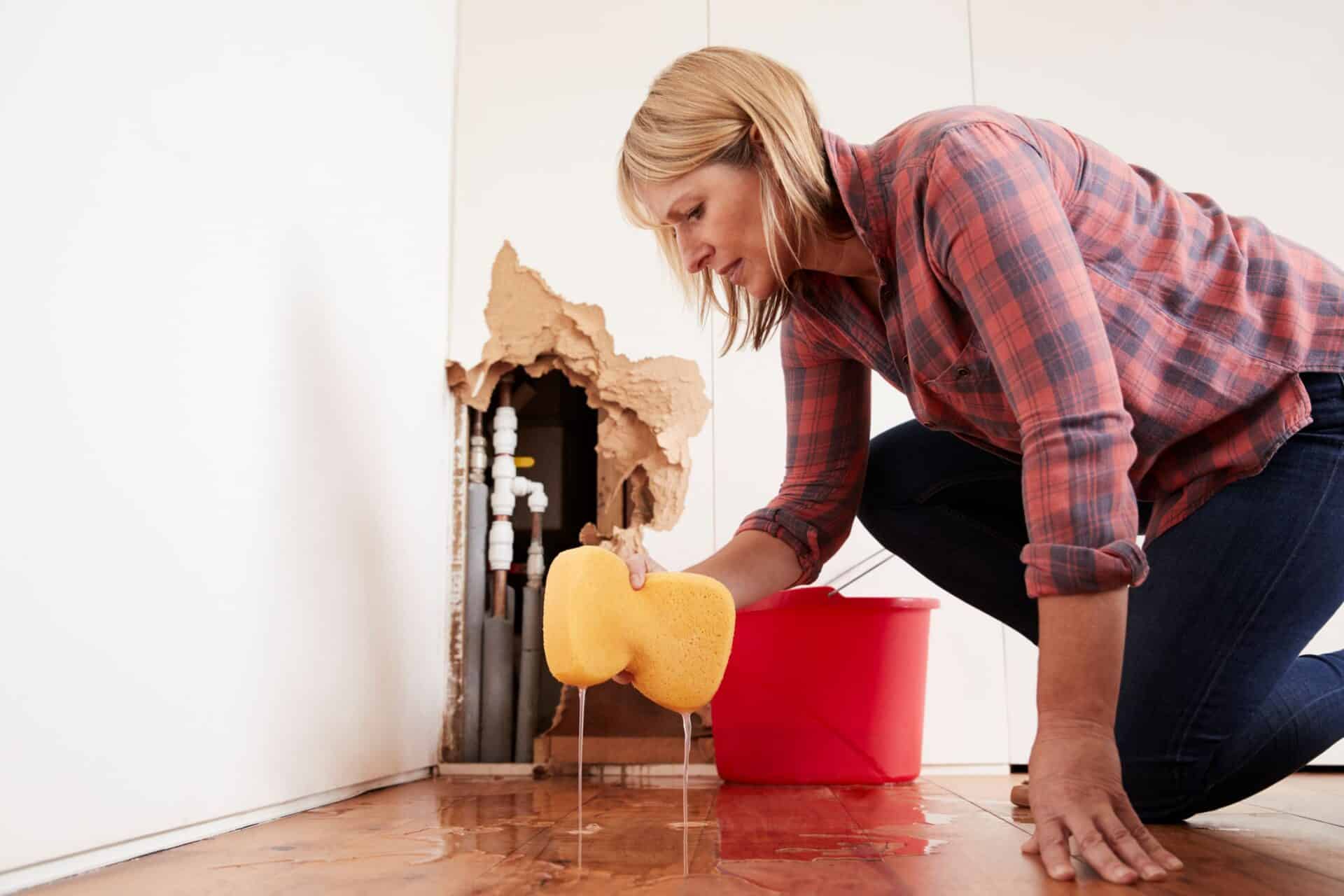
The water is in your home, you have made the call, and now you are waiting. Those minutes or hours between the moment damage happens and the moment a restoration crew walks through your door can feel like the longest of your life. They can also be some of the most important.
What you do while you wait can limit how far the damage spreads, protect your belongings, and even make the restoration process faster and less expensive. The good news is that you don’t need special training or equipment to help.
It’s important to know which steps are safe and which ones are best left alone. Here is a practical guide to protecting your home while help is on the way, whether you are dealing with a burst pipe, a failed appliance, a leaking roof, or storm flooding anywhere in Eastern Pennsylvania, Northern Delaware, or New Jersey.
Make Sure Everyone Is Safe
Before you worry about your floors or furniture, protect people and pets. Water damage can create hazards that are not obvious at first glance. Most importantly, if you smell gas, see sparks, or feel unsafe in any way, leave the building and call 911.
- Electricity and water do not mix. If water has reached outlets, power strips, appliances, or your electrical panel, do not walk through it. If you can reach your breaker box without stepping in water, shut off the power to the affected area; if you can’t, wait for a professional or your utility company.
- Look overhead. Ceilings that are bulging, sagging, or dripping can collapse. Stay out from under them.
- Be careful of slippery floors. Wet tile, hardwood, and basement stairs are easy places to fall.
- Treat floodwater as contaminated. Water from storms, sewer backups, or rising groundwater can carry bacteria and other contaminants. Avoid skin contact, keep children and pets away, and wash your hands thoroughly if you touch it.
Stop the Source of the Water
If water is still entering your home, stopping it is the top priority. Depending on the cause, you may be able to:
- Shut off the main water valve if a pipe has burst or a supply line is leaking
- Turn off the water supply to a single fixture, such as a toilet, sink, or washing machine
- Clear a blocked gutter or downspout that is sending water toward your foundation
- Place a tarp over a damaged section of roof, if you can do so safely from the ground or with proper equipment
Never climb onto a wet roof or into a flooded area to do this. If you can’t stop the water safely, let the crew know when they arrive. Knowing where the water came from helps them work faster.
Document Everything Before You Touch It
Documenting water damage takes only a few minutes and can save you a lot of trouble later. Before you start moving things around, take photos and videos of every affected area. Capture the water line on walls, damaged furniture and belongings, standing water, and any visible mold.
Make a simple list of what was damaged, and note the time you discovered the problem. Then contact your insurance company to report the loss and ask what they need from you. Good documentation streamlines the claims process, and doing it first lets you start protecting your home without putting your coverage at risk.
Remove Standing Water, If It Is Safe
If there is only a small amount of water and the electricity is off, you can start removing it with mops, towels, and a wet/dry vacuum. Even a little progress helps, because every hour water sits on a surface, it soaks deeper into flooring, walls, and framing.
For larger amounts of water, or any water that may be contaminated, do not try to handle it yourself. Professional pumps and extraction equipment are far more effective, and they protect you from exposure to unsanitary water.
Move and Protect Your Belongings
Once the area is safe, take a few minutes to get your valuables out of harm’s way. Prioritize these items:
- Important papers, such as insurance policies, IDs, and financial records
- Photographs, keepsakes, and irreplaceable items
- Electronics and small appliances
- Medications and anything needed for daily life
Move them to a dry, elevated area, ideally on another floor. Lift furniture off wet carpet if you can. Placing aluminum foil or plastic blocks under furniture legs keeps wood from staining and absorbing moisture. Remove rugs and any loose items from wet floors, but leave heavy items that you can’t move safely. The restoration team has the equipment to handle them.
Start Airing Out and Drying the Space
You can help slow down moisture while you wait, as long as the situation is safe.
- Open windows and doors to increase airflow when the weather allows, and outdoor humidity is lower than indoor humidity.
- Run fans if the electricity is safe to use, pointing them across wet surfaces.
- Use a dehumidifier if you have one, and empty it regularly.
- Remove wet cushions and bedding and place them somewhere they can begin to dry, or set them aside for a professional to assess.
If you suspect sewage or other contaminated water, skip the fans, since they can spread contaminants through the air. Keep in mind that these steps help, but they don’t replace professional drying. Water often hides behind walls, under flooring, and inside insulation, where household equipment can’t reach.
Why Mold Is a Race Against Time
Mold can begin to develop on wet materials within 24 to 48 hours. That is why the waiting period matters so much. Every step you take to remove water and increase airflow during that window reduces the chances that mold gets a foothold.
If you notice a musty odor, discolored walls, or visible spots while you wait, tell the crew as soon as they arrive. It helps them plan the safest and most efficient approach.
What Not to Do While You Wait
Well-meaning mistakes can make water damage worse or put you at risk. Avoid the following:
- Don’t use a household vacuum on water. It is not designed for it and can cause electric shock.
- Don’t use electrical appliances in wet areas or while standing in water.
- Don’t turn on the HVAC system if there is flooding, since it can spread moisture and contaminants through the ducts.
- Don’t pull up flooring or cut into walls unless a professional tells you to. You may remove something that could have been saved, or disturb materials that need careful handling.
- Don’t throw everything away right away. Some items can be dried and restored. Set questionable items aside and ask the crew.
- Don’t paint or cover wet surfaces. This traps moisture inside.
Get Ready for the Crew
A few simple preparations help the team get to work quickly when they arrive:
- Clear a path to the affected areas, including the basement or crawl space
- Make sure the crew has access to the property and tell them about any pets
- Write down what happened, when it started, and what you have already done
- Keep your insurance information and claim number handy
It is also normal to feel stressed or overwhelmed. Ask questions. A good restoration team will walk you through what they find, what needs to happen next, and what to expect.
You Don’t Have to Face This Alone — Tri State Mold Doctors is Here to Help
Waiting for help after water damage is stressful, but you are not powerless. Staying safe, stopping the source, documenting the damage, and protecting your belongings all give your home a better chance of a fast recovery.
Tri State Mold Doctors provides emergency flood cleanup and mold services for homeowners and businesses across Eastern Pennsylvania, Northern Delaware, and New Jersey. If you have a water emergency or you are worried about hidden moisture and mold, we offer free consultations to help you understand your situation and your options.
Contact us today. We will help you through the wait and get your property back to normal.