
Water damage can occur unexpectedly due to issues such as a burst pipe, severe storms, appliance malfunctions, or flooding. While removing standing water is the first step in recovery, it is only part of the solution. Water quickly seeps into building materials like drywall, wood framing, insulation, and flooring. If that moisture isn’t properly removed, it can lead to mold growth, structural deterioration, and expensive repairs.
That is where structural drying comes in. Structural drying is a specialized process used by restoration professionals to remove moisture trapped within the building materials of a home or commercial property. It goes beyond surface drying and focuses on restoring the structure to a safe, stable condition.
Proper structural drying is essential to prevent mold, preserve structural integrity, and ensure a complete recovery after water intrusion. In this guide, we will explore what structural drying is, how the process works step by step, and why it plays such a crucial role in protecting your property after water damage.
What Is Structural Drying?
Structural drying is the process of extracting hidden moisture from building materials and structural components after water has infiltrated a property. The process targets materials such as drywall, studs, subfloors, insulation, and concrete areas where water often becomes trapped and difficult to detect.
When water enters a structure, these materials absorb it quickly. Even if the surface looks dry, hidden moisture may remain inside walls, floors, and ceilings. Structural drying uses specialized equipment and scientific techniques to draw that moisture out and restore the structure to safe moisture levels.
Professionals rely on industry standards such as the IICRC S500 Standard for Professional Water Damage Restoration, which provides guidelines for drying goals, equipment placement, and monitoring throughout the process.
In short, structural drying focuses on what you can’t see, the moisture hidden inside your property’s framework.
Why Water Damage Requires Immediate Drying
One of the biggest risks after water damage is time. Moisture doesn’t stay in one place; it spreads quickly through porous materials and structural components. Within 24 to 48 hours, damp conditions can lead to mold growth, especially in warm and humid environments.
If structural drying is delayed or incomplete, several problems can occur:
- Mold and mildew growth
- Warping or weakening of wood framing
- Drywall deterioration
- Floor damage and buckling
- Corrosion of metal components
These issues can significantly increase restoration costs and potentially compromise the building’s safety. Structural drying addresses the root cause by removing moisture before secondary damage develops.
The Science Behind Structural Drying
Structural drying relies on a combination of scientific principles to remove moisture effectively. By controlling airflow, temperature, and humidity, restoration professionals create conditions that allow moisture to move out of materials and be safely removed from the environment. Here’s how these processes work together during drying:
- Evaporation — Liquid water trapped in building materials converts into water vapor and moves into the surrounding air.
- Air Movement — High-powered air movers circulate air over wet surfaces to accelerate evaporation.
- Dehumidification — Dehumidifiers remove moisture from the air, preventing it from settling back into materials.
The Step-by-Step Structural Drying Process
Structural drying is a carefully managed process that involves several stages. Each step helps ensure moisture is completely removed and that the structure is safe for rebuilding or normal use.
1. Inspection and Damage Assessment
The process starts with a thorough inspection of the affected area. Restoration professionals identify the source of the water, assess the extent of the damage, and determine which materials have absorbed moisture. They also classify the type and severity of water damage, which helps guide the restoration plan and equipment needed.
2. Water Extraction
Before structural drying can begin, any standing water must be removed. Professionals use pumps, truck-mounted extractors, and industrial wet vacuums to quickly remove large volumes of water. This step is critical because extracting water significantly reduces the overall drying time and prevents deeper saturation of materials.
3. Moisture Mapping
After extraction, technicians use advanced tools to detect hidden moisture throughout the structure. Moisture mapping creates a detailed picture of how far the water has spread, including areas behind walls or beneath flooring that’s not visible to the naked eye.
Some of the tools technicians may use include:
- Moisture meters
- Thermal imaging cameras
- Hygrometers
4. Strategic Air Movement
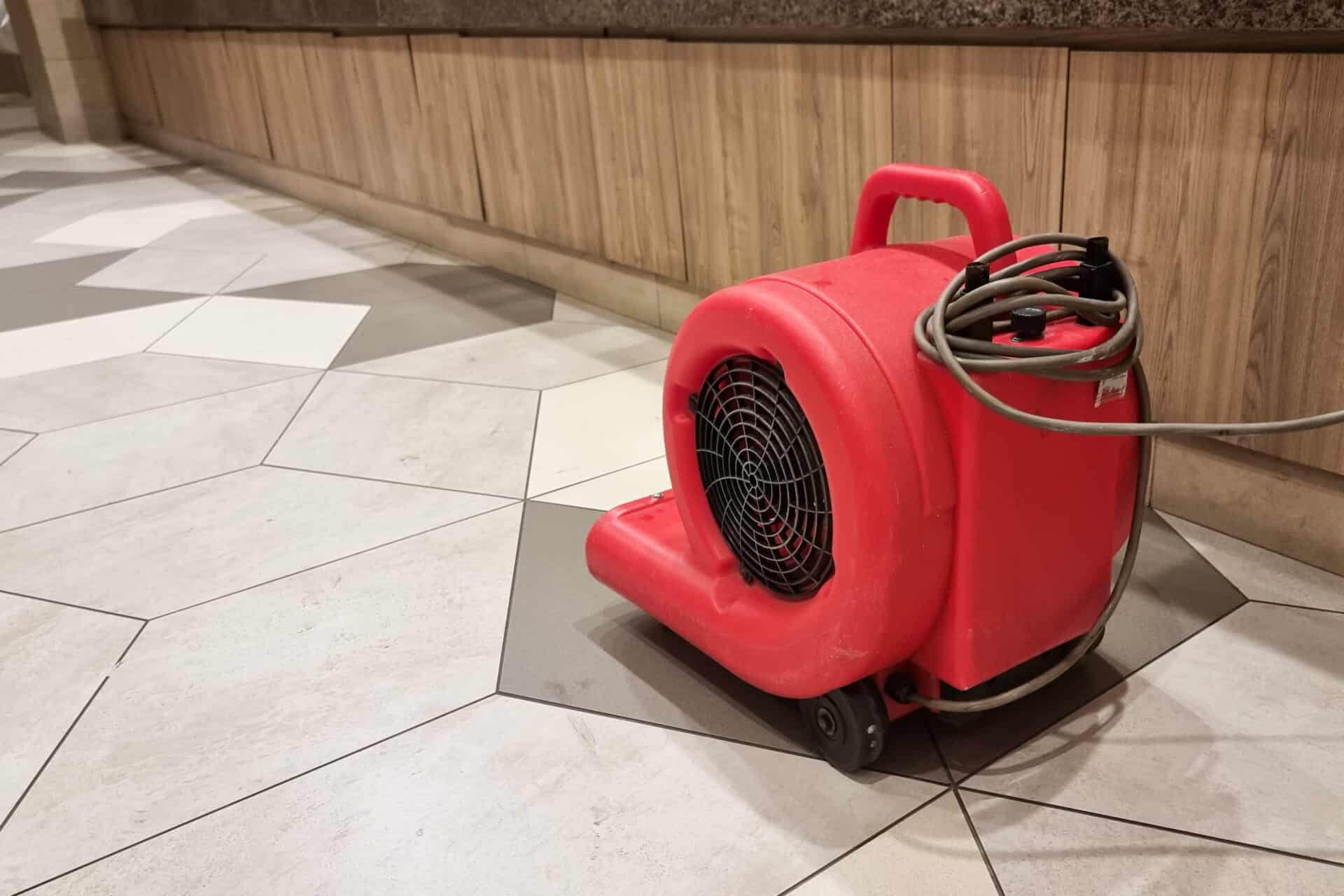
Next, high-velocity air movers are positioned throughout the affected areas. These machines circulate air over wet surfaces, accelerating evaporation.
Proper placement is essential. Technicians position air movers strategically to ensure airflow reaches all wet materials and prevents moisture from settling in dead zones, where drying could slow.
5. Dehumidification
As moisture evaporates from surfaces, it enters the air as water vapor. Without removing that vapor, humidity levels would rise, and the drying process would stall.
Industrial dehumidifiers draw moisture from the air and return dry air to the space, maintaining ideal drying conditions. Different types of dehumidifiers may be used depending on the environment, including refrigerant units and desiccant systems.
6. Controlled Demolition (if Necessary)
In some cases, certain materials may be too saturated to dry effectively. Materials such as soaked insulation or severely damaged drywall may need to be removed. This step allows technicians to access hidden moisture inside wall cavities and helps prevent mold growth in enclosed spaces.
7. Monitoring and Adjustments
Structural drying isn’t a “set it and forget it” process. Technicians regularly return to the site to measure moisture levels and adjust equipment as needed. Air movers and dehumidifiers may be repositioned to focus on areas with stubborn moisture until the structure reaches safe moisture levels.
8. Final Verification
The final stage involves verifying that all materials have returned to normal moisture levels. Technicians take final readings using moisture meters to confirm the structure is fully dry. Once the property passes this verification stage, restoration or repairs can safely begin.
Why Structural Drying Is Essential for Mold Prevention
One of the biggest benefits of structural drying is preventing mold growth. Mold requires three things to thrive: moisture, organic material, and time. When water damage occurs, drywall, wood, and insulation provide the perfect environment for mold to grow.
By removing moisture quickly and thoroughly, structural drying eliminates the conditions mold needs to develop. This proactive approach can prevent costly mold remediation and protect indoor air quality.
Protecting Your Property’s Structural Integrity
Structural drying doesn’t just protect against mold; it also protects the building itself. Many construction materials are highly absorbent. Proper drying restores these materials to their normal moisture levels, helping maintain the integrity and stability of the structure.
If they remain wet for extended periods, they can weaken or deteriorate. For example:
- Wood framing may warp or rot
- Drywall can lose structural strength
- Flooring materials may buckle or separate
- Fasteners and metal components may corrode
Why Professional Structure Drying Matters
Some property owners attempt to dry water-damaged areas using household fans or dehumidifiers. While these tools may help with minor moisture, they rarely address the hidden water trapped inside walls or floors.
Professional restoration companies use specialized equipment, moisture detection tools, and industry standards to ensure complete drying. Without professional structural drying, moisture may remain hidden, leading to mold, structural damage, and long-term problems. They also document the insurance claims process and verify that the structure is fully restored.
Tri State Mold Doctors – The Trusted Choice After Water Damage
Water damage can leave more behind than visible stains and damp materials. Hidden moisture trapped within walls, flooring, and structural components can lead to mold growth, structural weakening, and costly repairs if not addressed promptly and properly.
That is why professional structural drying is so important. Removing moisture completely ensures your property is safe, stable, and protected from long-term damage.
At Tri State Mold Doctors, our team understands that proper structural drying requires more than just fans and dehumidifiers. We use advanced moisture detection technology, professional-grade drying equipment, and proven restoration methods to ensure every affected area of your property is thoroughly dried. Our experienced technicians carefully monitor the process from start to finish so you can feel confident that your home or business has been fully restored.
Contact us today to schedule an inspection and take the first step toward protecting your property.