
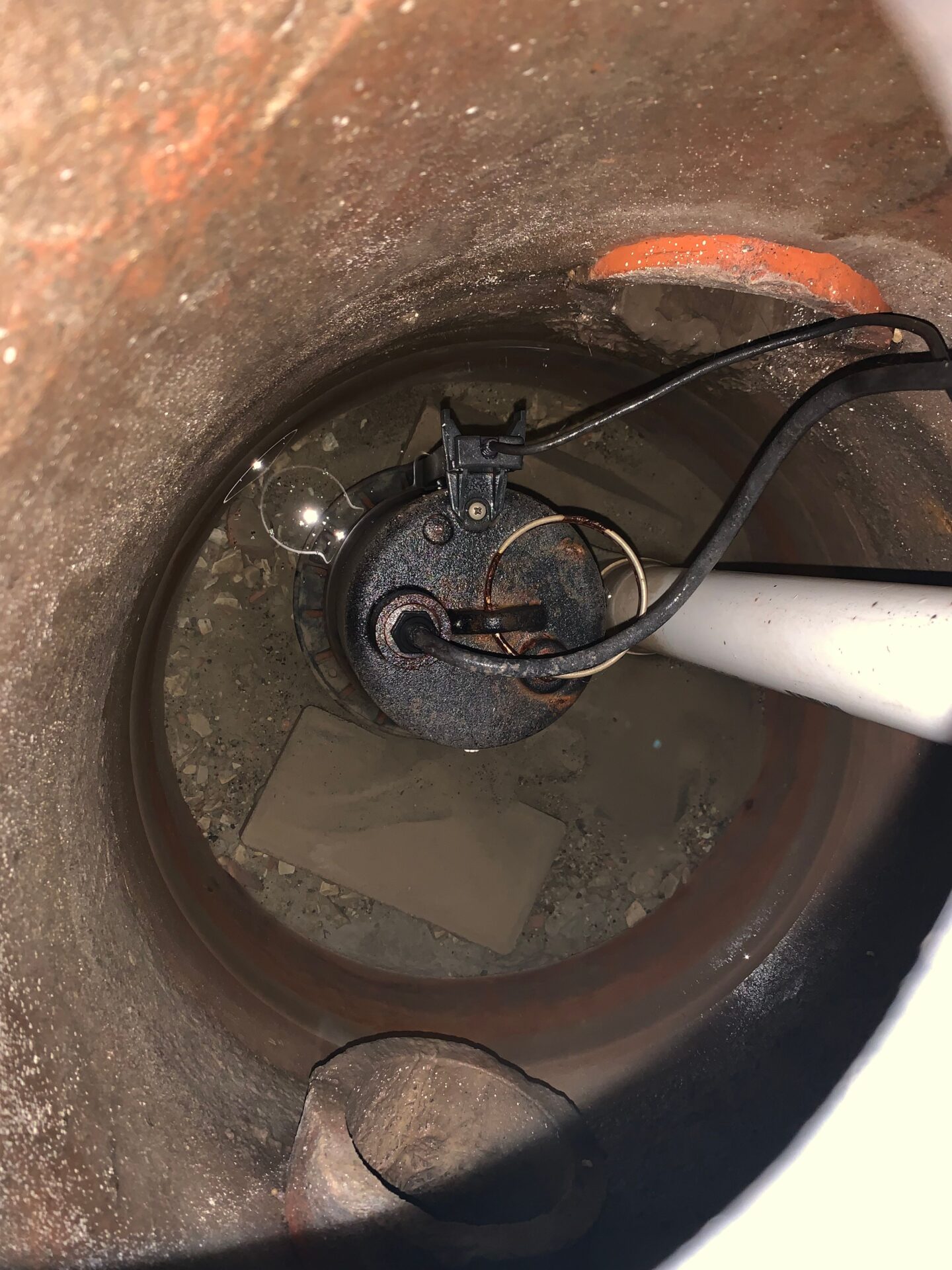
Heavy rain can overwhelm drainage systems in a matter of minutes, and when a sump pump fails, the results can be devastating. A flooded basement isn’t just an inconvenience—it can damage flooring, drywall, furniture, electrical systems, and treasured belongings while creating the perfect environment for mold growth. When homeowners discover water pooling across the basement floor, they’re often searching for answers while trying to limit the damage.
Knowing what to do in the first few minutes after a sump pump failure can make a significant difference in how much damage your home suffers. Here’s what causes sump pump failures, the immediate steps you should take, what to expect during professional water extraction, and why delaying cleanup almost always makes the situation worse.
Why Sump Pumps Fail During Heavy Rain
Sump pumps are designed to remove groundwater that collects around your home’s foundation. Under normal conditions, they work quietly in the background. However, severe storms can push these systems beyond their limits.
Unfortunately, many homeowners don’t realize there’s a problem until they walk downstairs and discover standing water. Some of the most common reasons sump pumps fail include:
- Power outages during storms
- Overworked pumps that cannot keep up with incoming water
- Mechanical failures caused by worn components
- Clogged discharge pipes
- Float switch malfunctions
- Improper installation or undersized pumps
- Lack of routine maintenance
First Steps to Take After Discovering a Flooded Basement
If your sump pump has failed, staying calm and acting quickly can reduce damage.
Stay Safe
Never walk into standing water if electrical outlets, appliances, or your breaker panel have been affected. Water and electricity create a dangerous combination. If it’s safe to do so, shut off power to the affected area before entering the basement. If you cannot safely access your electrical panel, wait for professionals to arrive.
Stop Additional Water
If the sump pump simply lost power and conditions are safe, restoring electricity may solve the problem. If the pump has mechanically failed, avoid repeatedly resetting it, as this may cause additional damage. If water continues entering the basement, every minute counts.
Contact a Water Damage Restoration Company
Professional water extraction equipment removes water much faster than shop vacuums or household pumps. Calling immediately helps reduce structural damage and minimizes the chance of mold growth.
Document the Damage
Take photos and videos before moving furniture or removing damaged belongings. Documentation can be helpful if you need to file a homeowners insurance claim.
Why You Shouldn’t Wait for the Water to Go Away
One of the biggest mistakes homeowners make is assuming the water will simply drain away once the storm passes. Even if standing water disappears, moisture remains trapped in building materials.
Drywall acts like a sponge. Insulation absorbs water quickly. Wood framing begins swelling. Carpet padding retains moisture. Subfloors can warp. These hidden pockets of moisture often lead to mold growth within 24 to 48 hours. Once mold develops behind walls or beneath flooring, restoration becomes significantly more expensive.
What Happens During Professional Water Extraction
Professional restoration companies follow a systematic process designed to dry your home as quickly as possible.
Initial Inspection
Technicians first determine:
- How much water entered the home
- Where the water traveled
- Which materials have been affected
- Whether the water is clean or contaminated
- Areas with hidden moisture
Moisture meters and thermal imaging cameras often help identify water that isn’t immediately visible.
Water Removal
Industrial-grade extraction equipment removes standing water rapidly. The faster standing water is removed, the less opportunity it has to soak deeper into building materials.
Depending on the amount of flooding, professionals may use:
- High-capacity extraction pumps
- Truck-mounted extraction systems
- Commercial wet vacuums
- Specialized extraction tools for carpeting
Removal of Unsalvageable Materials
Some materials cannot be safely dried after prolonged exposure to water. Removing these materials helps speed the drying process while preventing mold growth.
These may include:
- Saturated carpet padding
- Damaged drywall
- Wet insulation
- Warped laminate flooring
- Waterlogged ceiling materials
Structural Drying
Many homeowners assume the job is finished once standing water is gone. In reality, drying the structure is often the longest phase of restoration.
Professionals strategically place commercial air movers, high-capacity dehumidifiers, drying mats, and air scrubbers when necessary. This equipment may remain in place for several days while technicians monitor moisture levels to ensure everything returns to normal.
Cleaning and Sanitizing
Even clean rainwater can carry dirt, bacteria, and other contaminants into the home. Affected surfaces are thoroughly cleaned and sanitized before repairs begin. If sewage or contaminated floodwater entered the basement, additional disinfection procedures are required to protect occupants.
Items That Can Often Be Saved
Many homeowners assume everything in the flooded basement is ruined. The sooner restoration begins, the greater the chance valuable belongings can be recovered.
Quick action often allows restoration professionals to save:
- Hardwood furniture
- Metal furniture
- Some upholstered furniture
- Appliances that have not suffered electrical damage
- Family heirlooms
- Important documents through specialty drying
- Electronics, depending on exposure
How Waiting Makes the Damage Worse
Time is one of the biggest factors affecting restoration costs. Prompt water removal is almost always less expensive than delaying cleanup.
- Within the First Few Hours — Water spreads throughout the basement, drywall absorbs moisture, wood begins swelling.
- Within 24 Hours — Flooring starts deteriorating, paint may blister, musty odors begin developing.
- Within 48 Hours — Mold growth becomes increasingly likely, structural materials continue weakening, restoration becomes more extensive.
- After Several Days — Mold colonies can spread throughout the affected area, additional demolition may be required, repair costs increase substantially.
Can You Handle Basement Flood Cleanup Yourself?
Small spills may be manageable with household equipment; however, a flooded basement caused by sump pump failure is usually much different. Professional restoration companies have specialized equipment capable of removing thousands of gallons of water while drying structural materials that homeowners cannot easily access.
DIY cleanup often leaves moisture trapped beneath flooring, inside walls, and underneath cabinets, where mold can grow unnoticed for weeks. Professional drying also includes ongoing moisture monitoring to ensure the property has been thoroughly restored before repairs begin.
Preventing Future Sump Pump Failures
While no system is completely immune to extreme weather, homeowners can reduce their risk by maintaining their sump pump throughout the year. Routine maintenance is significantly less expensive than repairing a flooded basement.
Helpful preventative measures include:
- Testing the sump pump every few months.
- Cleaning the sump pit regularly.
- Checking the discharge line for obstructions.
- Installing a battery backup system.
- Considering a secondary backup pump.
- Replacing aging pumps before they fail.
- Scheduling annual inspections.
Turn to Tri State Mold Doctors After a Sump Pump Failure
A sump pump failure can turn a dry basement into a major water damage emergency in just a few hours. The longer water sits, the greater the risk of structural damage, mold growth, and costly repairs. That’s why it’s essential to work with a restoration company that responds quickly and has the expertise to thoroughly extract water, dry your home, and prevent hidden moisture from causing long-term problems.
At Tri State Mold Doctors, our experienced team provides fast, professional water damage restoration services throughout Eastern Pennsylvania and New Jersey. Using advanced water extraction equipment, commercial-grade drying systems, and moisture detection technology, we ensure your property is dried properly—not just on the surface. We also help identify potential mold risks before they become larger issues, giving you confidence that your home is safe and protected.
Don’t wait and hope it gets better. Contact us today!