
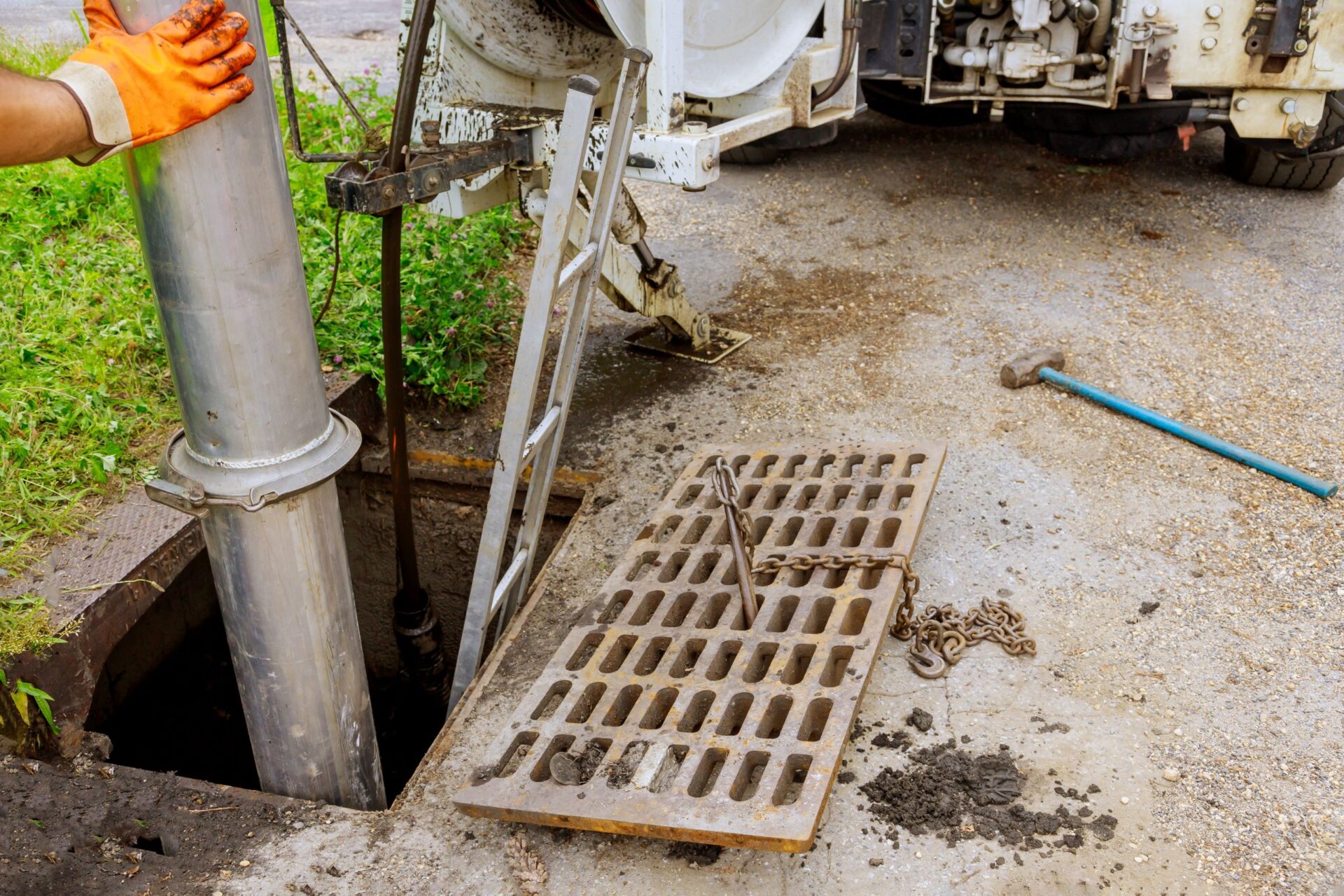
Few home emergencies are as hazardous as a sewage backup. While any type of water damage can disrupt your life, sewage-contaminated water presents an immediate threat to your health and your property. Unlike a clean water leak from a broken pipe, sewage backups contain harmful bacteria, viruses, parasites, and other contaminants that require specialized cleanup procedures.
Unfortunately, many homeowners don’t realize the severity of the situation until it’s too late. Waiting to address a sewage backup or attempting to clean it yourself can increase health risks, worsen structural damage, and make restoration more expensive. If you’ve experienced wastewater backing up through a drain, toilet, or basement floor drain, here’s what you need to know about why sewage backups happen, why they’re so dangerous, and why professional restoration should begin as soon as possible.
What Is a Sewage Backup?
A sewage backup occurs when wastewater that should be leaving your home reverses direction and flows back into the property. This contaminated water may enter through toilets, sinks, showers, tubs, or basement floor drains.
In the restoration industry, sewage is classified as Category 3 water, commonly referred to as black water. This is the highest contamination level recognized in water damage restoration because it contains disease-causing microorganisms and hazardous waste.
Even a small amount of sewage inside your home should be treated as a serious emergency. What may appear to be just a puddle of dirty water can contain invisible contaminants capable of causing illness.
Common Causes of Sewage Backups
Several plumbing and environmental issues can lead to sewage backing up into a home.
Blocked Sewer Lines
One of the leading causes of sewage backups is a blockage in the home’s main sewer line. Over time, grease, food waste, paper products, “flushable” wipes, feminine hygiene products, and other debris can build up inside the pipe, restricting wastewater flow until it eventually backs up into the home.
Tree Root Damage
Underground sewer lines can develop small cracks or loose joints over time, creating an entry point for tree roots searching for moisture. As the roots continue to grow inside the pipe, they can restrict wastewater flow, cause severe blockages, and even crack or collapse the sewer line.
Heavy Rain and Flooding
During severe storms, municipal sewer systems can become overwhelmed. When public sewer lines reach capacity, wastewater may be forced back into residential plumbing systems, especially in older neighborhoods.
Aging Infrastructure
Older sewer pipes made from clay, cast iron, or Orangeburg material become more vulnerable to cracks, corrosion, and collapse as they age. Damaged pipes increase the chance of sewage backups.
Septic System Problems
Homes with septic systems may experience backups when the tank is full, the drain field fails, or the system has not been properly maintained. Regular septic inspections and routine pumping can help identify potential issues early and reduce the risk of sewage backing up into your home.
Why Sewage Water Is So Dangerous
Many people assume that dirty water is simply unpleasant. In reality, sewage water can contain numerous harmful contaminants that make direct exposure unsafe.
Potential hazards include:
- Harmful bacteria such as E. coli and Salmonella
- Viruses that can cause gastrointestinal illness
- Parasites and protozoa
- Fungi and mold spores
- Organic waste and chemical contaminants
Exposure can occur through skin contact, accidental ingestion, inhalation, or contaminated surfaces throughout the home. Individuals with weakened immune systems, older adults, young children, and pregnant women may face an even greater risk of illness.
Hidden Risks Beyond Standing Water
One of the biggest misconceptions about sewage damage is that removing the visible water solves the problem. Unfortunately, contamination often spreads far beyond what homeowners can see.
Sewage can soak into:
- Drywall
- Insulation
- Carpet padding
- Hardwood flooring
- Subfloors
- Furniture
- Cabinets
Moisture trapped inside building materials creates ideal conditions for mold growth, sometimes within just 24 to 48 hours. Even after the visible water disappears, bacteria and excess moisture may remain hidden behind walls or beneath flooring. Without professional drying equipment and moisture detection tools, these hidden problems can continue damaging your home long after the initial backup.
What You Should Do Immediately
If sewage enters your home, taking the right steps early can help reduce health risks and limit further damage.
- Stay Out of the Affected Area — Avoid walking through contaminated water whenever possible. Keep children and pets away from the affected space until it has been professionally cleaned.
- Stop Using Your Plumbing — Avoid flushing toilets, running sinks, or using appliances connected to your plumbing system until the source of the backup has been identified.
- Shut Off Electricity if Necessary — If water is approaching electrical outlets or appliances, avoid entering the area. If it can be done safely, turn off power to the affected portion of the home.
- Contact Your Insurance Company — Document the damage with photographs and notify your insurance carrier as soon as possible. Some homeowners insurance policies include sewer backup coverage through an endorsement.
- Call a Professional Restoration Company — Because sewage is considered hazardous, professional restoration crews have the equipment, protective gear, and training necessary to safely clean and disinfect the affected areas.
Why DIY Cleanup Isn’t Worth the Risk
While it may be tempting to rent equipment or use household cleaners, sewage cleanup involves much more than removing standing water. Household bleach alone is not enough to eliminate contamination inside porous materials like drywall, insulation, carpet padding, or wood framing. Attempting to save contaminated materials that should be discarded can expose your family to ongoing health risks.
Professional restoration companies follow strict industry standards that include:
- Personal protective equipment (PPE)
- Safe containment of contaminated areas
- Commercial-grade extraction equipment
- Removal of unsalvageable materials
- EPA-approved disinfectants
- Structural drying and dehumidification
- Moisture monitoring to prevent mold growth
The Professional Restoration Process
Every situation is unique, but professional sewage cleanup generally follows several critical steps. This comprehensive approach helps restore both the cleanliness and safety of the home.
- Technicians inspect the property to determine the extent of contamination and identify any safety hazards.
- Standing sewage is extracted using specialized pumps and vacuums designed for hazardous water removal.
- Materials that cannot be safely disinfected are removed and disposed of according to industry guidelines.
- Once contaminated materials have been removed, all remaining surfaces are thoroughly cleaned and disinfected using professional antimicrobial products.
- Industrial air movers and dehumidifiers are then used to dry the structure completely.
- Technicians monitor moisture levels throughout the drying process to ensure hidden water pockets are eliminated before reconstruction begins.
Preventing Future Sewage Backups
Proactive maintenance is often far less expensive than emergency restoration after a backup occurs. Although not every sewage backup can be prevented, homeowners can reduce their risk with routine maintenance.
Helpful preventative measures include:
- Schedule periodic sewer line inspections.
- Avoid flushing wipes, paper towels, feminine hygiene products, or grease.
- Maintain septic systems according to manufacturer recommendations.
- Consider installing a backwater valve if your area is prone to sewer backups.
- Address slow drains before they become complete blockages.
- Remove tree roots that threaten underground sewer lines.
Trust Tri State Mold Doctors for Safe, Professional Sewage Cleanup
A sewage backup is one of the most dangerous water emergencies a homeowner can face. Because contaminated water carries harmful pathogens and can quickly damage your home’s structure, every minute counts. Attempting to clean it yourself can put your health at risk and leave hidden contamination behind.
When you need fast, reliable sewage cleanup, Tri State Mold Doctors is ready to respond. Our experienced restoration professionals use industry-leading equipment to safely remove contaminated water, thoroughly disinfect affected areas, dry your home, and help prevent mold growth before it becomes another costly problem. Our team works efficiently to document the damage and support the insurance claims process whenever possible.
If your home has experienced a sewage backup, don’t take chances with your family’s health. Contact us immediately for expert sewage cleanup and water damage restoration, and let our team restore your home safely, thoroughly, and as quickly as possible.