
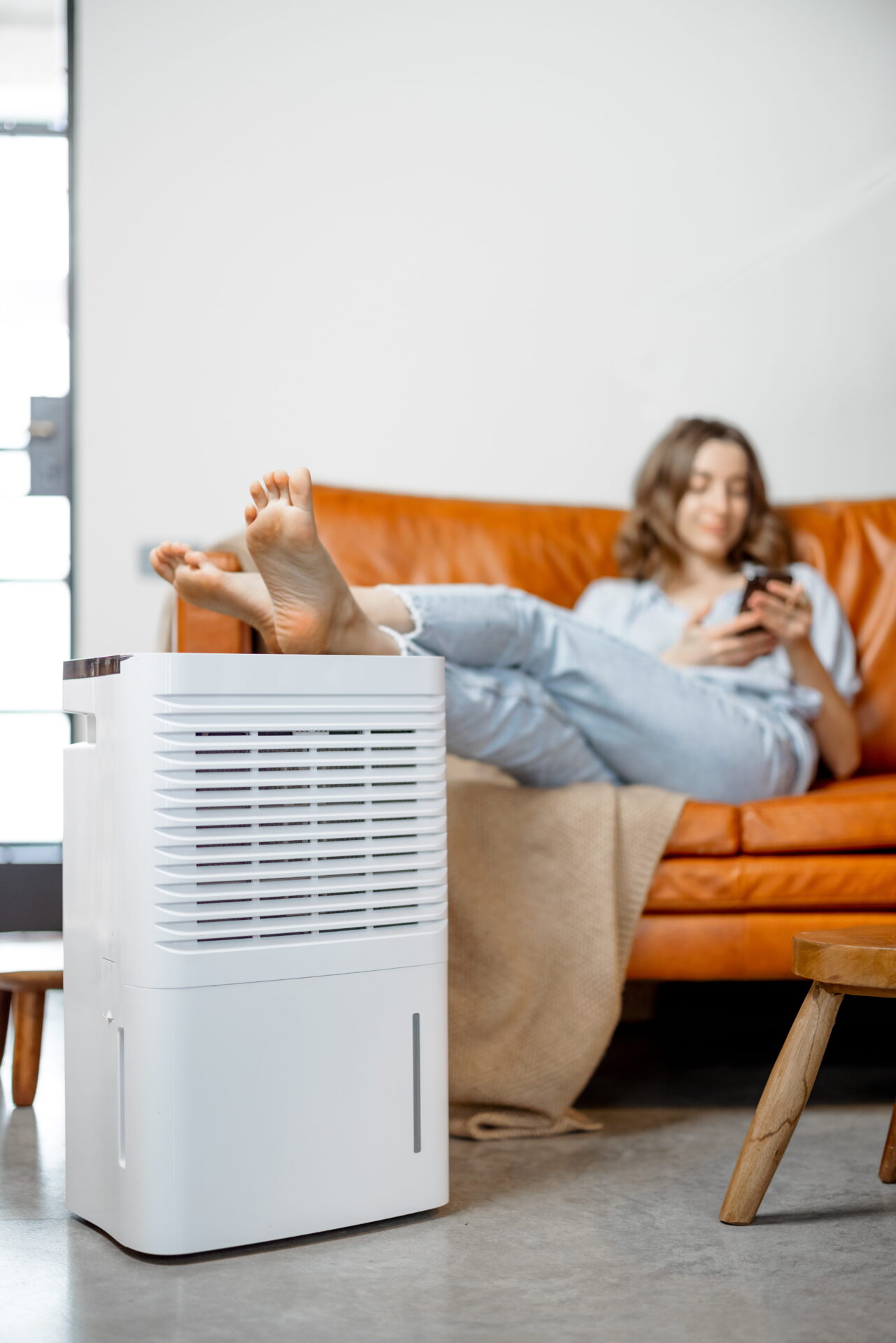
When you discover mold in your home or business, your first instinct might be to find a quick and affordable solution. For many property owners across Eastern Pennsylvania, Northern Delaware, and New Jersey, that solution often seems to be a dehumidifier.
After all, mold thrives in damp environments, so reducing moisture should solve the problem, right? Not quite.
While dehumidifiers can help control humidity, they are not a complete solution for eliminating mold. In fact, relying on one alone can allow the problem to worsen behind the scenes. Understanding the limits of humidity control and when to call in professionals like Tri State Mold Doctors can save you time, money, and serious health risks.
Why Mold Grows in the First Place
Mold spores are naturally present in the air, both indoors and outdoors. Under normal conditions, they’re harmless. However, when excess moisture enters the picture, those spores can quickly settle and begin to grow.
Common causes of mold growth include:
- Water damage from leaks or flooding
- High indoor humidity levels (above 60%)
- Poor ventilation in areas like basements, bathrooms, and crawl spaces
- Condensation on windows, pipes, or walls
In the Tri-State region, seasonal humidity and storm-related flooding make properties especially vulnerable. That’s why mold issues often follow water damage events, sometimes within just 24 to 48 hours.
What a Dehumidifier Actually Does
A dehumidifier works by pulling moisture out of the air, helping maintain a lower indoor humidity level. This can make your home less hospitable to mold growth and may slow the spread of spores.
Benefits of using a dehumidifier include:
- Reducing excess moisture in the air
- Preventing condensation buildup
- Improving indoor air comfort
- Supporting overall mold prevention efforts
In short, a dehumidifier is a preventative tool, not a removal solution.
The Limits of Dehumidifiers for Mold Problems
Here is where many property owners run into trouble: while a dehumidifier can reduce humidity, it does not eliminate existing mold colonies. Once mold has established itself, it embeds itself in surfaces such as drywall, wood, insulation, and carpeting.
At that point, simply drying the air won’t remove it. The mold will remain active or go dormant temporarily until conditions allow it to grow again.
Here are the key limitations to keep in mind:
1. Dehumidifiers Don’t Kill Mold
Dehumidifiers don’t kill mold spores or remove contaminated materials. Mold can survive at lower humidity levels and often returns if not properly treated.
2. Hidden Mold Goes Untouched
Mold frequently grows in hidden areas such as:
- Behind walls
- Under flooring
- Inside HVAC systems
- Within insulation
A dehumidifier won’t reach these problem areas, allowing mold to continue spreading out of sight.
3. It Doesn’t Address the Source of Moisture
If the underlying issue, such as a leak, flood damage, or poor drainage, is not fixed, moisture will continue to feed mold growth. A dehumidifier may temporarily mask the symptoms without solving the root cause.
4. Mold Can Still Affect Air Quality
Even if humidity levels drop, existing mold can still release spores into the air. This can negatively impact indoor air quality and potentially cause health issues, especially for individuals with allergies, asthma, or weakened immune systems.
When a Dehumidifier Does Help
Despite its limitations, a dehumidifier still plays an important role in a broader mold control strategy. Think of it as part of your long-term prevention plan, rather than a one-time fix.
It can be effective in:
- Preventing mold growth after professional remediation
- Controlling humidity in basements and crawl spaces
- Supporting drying efforts after minor moisture exposure
- Maintaining safe humidity levels year-round
Why Professional Mold Remediation is Essential
If you’re already dealing with visible mold or suspect hidden growth, professional remediation is the safest and most effective solution. Companies like Tri State Mold Doctors specialize in identifying, containing, and eliminating mold at its source. Their approach goes far beyond surface-level cleaning.
What Professional Mold Treatment Involves
A dehumidifier simply cannot replicate the level of thoroughness that professional mold remediation can. A comprehensive mold remediation process typically includes:
- Inspection and Assessment — Experts identify the extent of the mold problem, including hidden areas and moisture sources.
- Containment — Affected areas are sealed off to prevent spores from spreading to other parts of the property.
- Air Filtration — High-efficiency filtration systems remove airborne mold spores and improve indoor air quality.
- Mold Removal — Contaminated materials are safely removed or treated using specialized equipment and cleaning agents.
- Moisture Control and Repairs — The root cause of the moisture problem is addressed to prevent future growth.
The Role of Emergency Flood Cleanup
In many cases, mold problems begin with water damage. Whether it’s from a burst pipe, heavy storm, or appliance failure, standing water can quickly create the perfect environment for mold.
That’s why emergency flood cleanup is one of the most critical services Tri State Mold Doctors offers. Fast response times are key. The longer water sits, the greater the risk of:
- Structural damage
- Mold growth
- Material deterioration
- Increased restoration costs
Professional flood cleanup teams use industrial-grade drying equipment, moisture detection tools, and sanitization methods to fully restore affected areas, something far beyond the capability of household tools.
What About DIY Mold Removal?
It’s tempting to try to handle mold yourself using store-bought cleaners or home remedies. While small, surface-level issues (like minor bathroom mold) may be manageable, most mold problems require more advanced solutions. In some cases, improper handling can worsen the situation.
DIY approaches often fall short because:
- They don’t reach deep into porous materials
- They can spread spores during cleaning
- They fail to address underlying moisture issues
- They may expose you to harmful contaminants
Signs You Need Professional Help
Not sure whether it’s time to call in the experts? Here are some clear indicators:
- Visible mold growth larger than a few square feet
- Persistent musty odors
- Recent water damage or flooding
- Recurring mold despite cleaning efforts
- Health symptoms like coughing, sneezing, or eye irritation indoors
If any of these sound familiar, it’s best to schedule a professional evaluation, especially since Tri State Mold Doctors offers free consultations.
Protecting Your Property Moving Forward
Once mold has been properly removed, prevention becomes your next priority. Combining professional services with smart moisture-control strategies can help keep your property safe in the long term.
Here are a few practical tips:
- Keep indoor humidity between 30% – 50%
- Use dehumidifiers in moisture-prone areas
- Fix leaks and water issues promptly
- Ensure proper ventilation in bathrooms and kitchens
- Schedule routine inspections after major storms or water events
Taking these steps can significantly reduce the chances of mold returning.
The Bottom Line
So, can a dehumidifier help eliminate mold? No, but it can help prevent it.
While dehumidifiers are useful for controlling moisture, they are not a substitute for professional mold remediation. Once mold takes hold, it requires specialized treatment to fully remove it and prevent a recurrence.
For property owners across Eastern PA, Northern DE, and New Jersey, the safest approach is to act quickly and bring in experienced professionals. Tri State Mold Doctors provides the expertise, equipment, and rapid response needed to handle everything from mold removal to emergency flood cleanup.
If you’re dealing with mold or want peace of mind after water damage, don’t rely on temporary fixes. A thorough, professional solution is the best way to protect your property, your health, and your investment.
Don’t just wait and hope it gets better. Contact us today.