
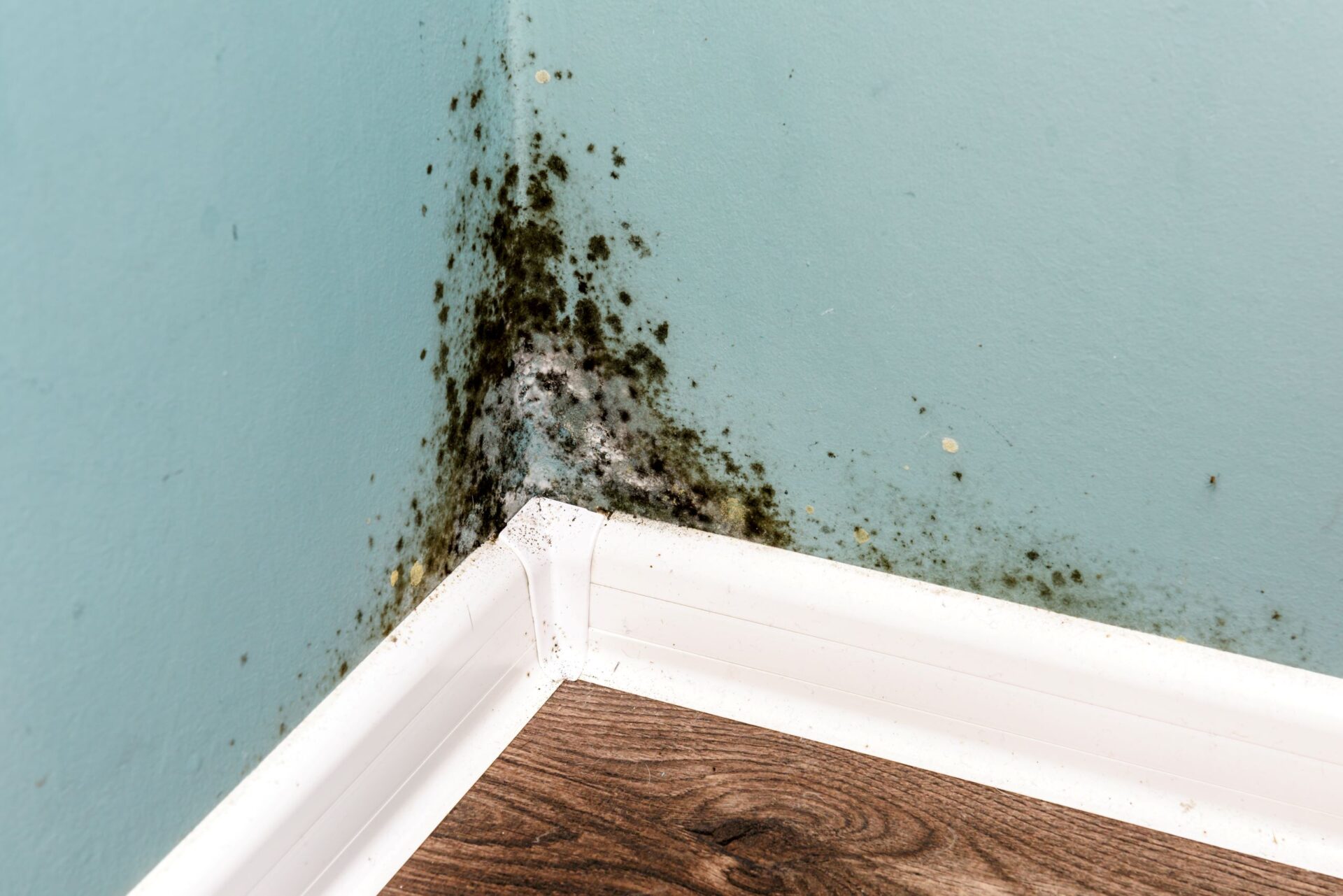
You typed something into Google. Maybe it was “black mold in the basement,” “mold after flooding,” or just “is this mold dangerous?” Whatever brought you here, there’s a good chance you’re dealing with a stressful situation right now, and you want real answers, fast.
One of the first things people discover when researching mold is that the terminology can be confusing. You’ll see companies advertising “mold removal” and others offering “mold remediation,” sometimes in the same sentence, sometimes as if they mean two completely different things. So which one do you actually need? And does the difference matter?
It does, more than most people realize. Here’s what you should know before you make any decisions.
What Is Mold Removal?
Mold removal is exactly what it sounds like: physically removing mold from a surface. You scrub it, wipe it down, spray it with a product, and the visible mold is gone. Many homeowners do this themselves with store-bought cleaners, a scrub brush, and some elbow grease.
For surface-level mold on non-porous materials, think a tile grout line or a bathroom caulk strip; this can work fine as a short-term fix. The mold is gone. The surface looks clean. But here’s the problem: mold removal addresses the symptom, not the cause.
Mold doesn’t grow randomly. It grows because there is moisture.
Whether that’s a slow pipe leak behind your wall, humidity trapped in a crawl space, floodwater that didn’t dry completely, or condensation that never got addressed, mold is always telling you something.
If you remove the mold without identifying and fixing the source of moisture, it will return. Sometimes within days.
There’s also the question of what you can’t see. Mold on a visible surface is often a sign of a larger colony growing deeper inside the drywall, behind the insulation, under the flooring, or in the structural framing of your home. Removing what’s visible without investigating further can leave the real problem untouched.
What Is Mold Remediation?
Mold remediation is a more comprehensive process. Rather than simply cleaning what’s visible, remediation involves assessing the full extent of the mold problem.
Mold remediation involves identifying the moisture source that’s feeding it, containing the affected area to prevent spores from spreading during cleanup, removing contaminated materials that can’t be salvaged, applying professional-grade treatments, and verifying through air quality or surface testing that the space is safe when the work is complete.
Think of it as treating the whole problem instead of just the surface.
A certified remediation team will typically start with a thorough inspection, sometimes including moisture mapping and air quality testing to understand what they’re dealing with. Porous materials like drywall, insulation, and certain types of flooring that have been colonized by mold generally can’t be cleaned; they have to be removed and replaced.
Before any of this work begins, containment barriers go up to make sure the remediation process itself doesn’t spread mold spores to unaffected areas of the building. When done correctly, remediation doesn’t just make the mold go away; it addresses why it was there so it doesn’t come back.
Why the Distinction Matters for Homeowners and Businesses in Eastern PA, NJ, and Northern DE
The tri-state region eastern Pennsylvania, New Jersey, and northern Delaware has its share of older housing stock, seasonal flooding, and humid summers. Basements that take on water. Crawl spaces that never quite dry out. Homes and commercial buildings where a plumbing issue goes unnoticed for weeks. These are exactly the conditions where mold can establish itself quickly and spread aggressively.
When flooding or water damage happens, mold can begin growing within 24 to 48 hours. Many property owners don’t realize there’s a mold problem at all until they start smelling something musty, or notice discoloration weeks after the water event. By then, what might have been a contained problem has often spread.
This is why the approach matters. A surface clean-up in the aftermath of a flood or a slow leak might look like a solution. Still, if the moisture source hasn’t been identified and the full extent of the mold growth hasn’t been assessed, you’re likely setting yourself up for a recurring problem and potentially a larger, more expensive one down the road.
When Should You Call a Professional?
Not every mold situation requires professional intervention. A small patch of mildew on a bathroom tile is not the same as mold growing behind your drywall after a basement flood.
You should strongly consider calling a certified mold remediation professional when:
- The mold covers more than a few square feet
- You have experienced flooding, a significant leak, or water damage
- The mold is in an area you can’t easily access or inspect
- Mold keeps coming back after you have cleaned it
- You or anyone in the building is experiencing unexplained headaches, respiratory symptoms, or allergy-like reactions
- You are buying or selling a property and want a clear picture of its condition
What a Professional Remediation Process Looks Like
When you call Tri State Mold Doctors, here’s what to expect:
Inspection and Assessment
We assess the visible damage and look beyond it. Using moisture detection tools and certified testing methods, we map out where the moisture is and how far the mold has spread.
Containment
Before any removal begins, we establish containment barriers and use negative air pressure to keep spores from spreading to unaffected areas.
Safe Removal and HEPA Filtration
Contaminated materials are safely removed. HEPA air filtration runs throughout the process to capture airborne spores.
Moisture Source Correction
This step is critical. If the underlying moisture issue isn’t corrected, the mold will return. We identify the source and make sure it’s addressed.
Clearance Inspection
When remediation is complete, a clearance inspection confirms the space meets safety standards. We document everything, which also matters if you’re working with an insurance claim.
Don’t Just Clean the Mold—Let Tri State Mold Doctors Solve the Problem
Mold removal and mold remediation are not the same thing. One addresses what you can see. The other addresses what’s actually happening, including why the mold appeared in the first place and what needs to change to ensure it doesn’t return.
If you’re dealing with mold, whether it followed a flood, a slow leak, or appeared out of nowhere, the smartest first step is to understand the full picture. That’s what a free consultation is for.
At Tri State Mold Doctors, we offer free consultations. That means you don’t have to guess whether your situation warrants a professional assessment; you can just ask.
Our team serves residential and commercial properties across eastern Pennsylvania, New Jersey, and northern Delaware. We’re local, we’re certified, and we’re available around the clock.
Call us at 866-48-FLOOD or visit tristatemolddoctors.com.