
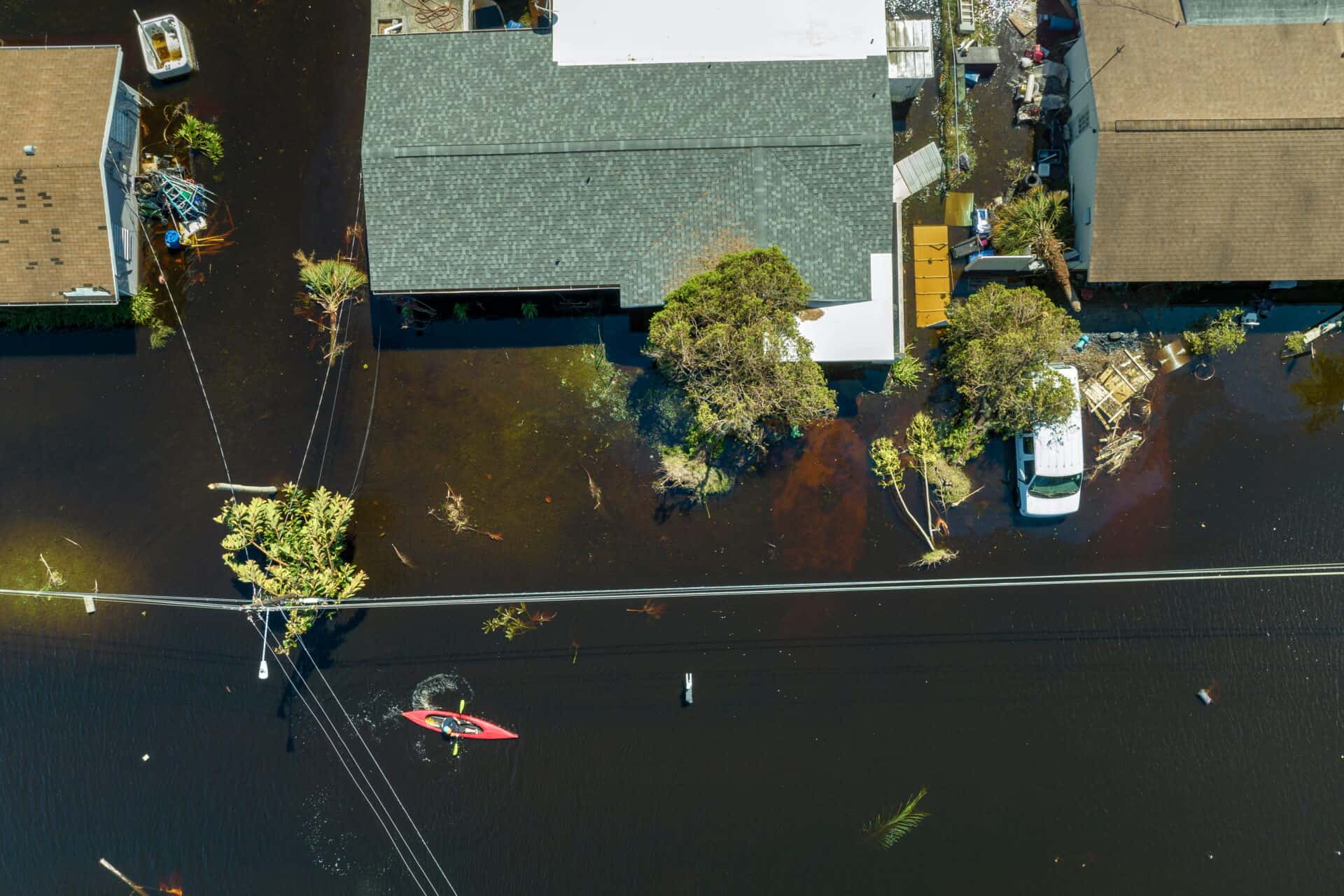
Flooding is one of the most destructive events a property owner can experience. Whether caused by heavy rain, hurricanes, rapid snowmelt, plumbing failures, or sewer backups, floodwater can quickly impact every part of a home or commercial building. Even after the water recedes, the damage often continues behind the scenes, creating long-term structural, financial, and health risks.
Understanding how flood damage affects your property and why fast action is so important can help you make informed decisions during a stressful situation. Below are the top ways flood damage can harm your property, from visible destruction to hidden problems that may surface weeks or months later.
1. Structural and Foundation Damage
One of the most serious consequences of flooding is damage to a building’s structure and foundation. When water saturates the ground around a property, it can create hydrostatic pressure that pushes against foundation walls. Over time, this pressure can lead to:
- Cracks in foundation walls or floors
- Shifting or settling of the structure
- Bowing basement walls
- Compromise load-bearing components
In severe cases, prolonged water exposure can weaken concrete and masonry, reducing the building’s overall stability. Even small foundation cracks left untreated can worsen with future water events, leading to costly repairs.
2. Damage to Flooring and Subflooring
Floodwater spreads quickly across floors, making them among the first areas to sustain damage. Beyond surface damage, water can penetrate the subfloor, causing rot, mold growth, and structural weakness if not properly dried and treated.
The extent of harm depends on the type of flooring material:
- Hardwood floors can warp, cup, or buckle as they absorb moisture
- Laminate flooring often swells and separates at the seams
- Carpeting and padding trap water, bacteria, and contaminants
- Tile flooring may loosen if water seeps beneath the tiles
3. Electrical System Hazards
Floodwater and electricity are a dangerous combination. Even if power is shut off during a flood, electrical components exposed to water often need professional inspection or replacement. Corrosion can develop over time, leading to unexpected failures well after the flooding event.
When water reaches outlets, wiring, or electrical panels, it creates serious safety risks, including:
- Electrical shock hazards
- Short circuits and system failures.
- Increased risk of electrical fires after drying
4. Wall, Ceiling, and Insulation Damage
Drywall, plaster, and insulation are highly absorbent materials. Once floodwater reaches wall cavities, damage can spread rapidly and remain hidden from view. Because this type of damage isn’t always immediately visible, moisture can linger, creating the perfect environment for mold growth and wood rot.
Common issues include:
- Swollen or crumbling drywall
- Peeling paint and bubbling surfaces
- Saturated insulation losing its effectiveness
- Structural wood framing retaining moisture
5. Mold and Mildew Growth
One of the most common and dangerous consequences of flood damage is mold. Mold can begin to grow within 24 to 48 hours after water exposure in warm, humid conditions.
Even clear-looking water can leave enough moisture to fuel mold growth. Quick drying and professional remediation are critical to stopping mold before it becomes a larger problem.
Flood-related mold growth can:
- Spread behind walls, under flooring, and inside HVAc systems
- Trigger allergies, asthma, and respiratory issues
- Produce musty odors that are difficult to eliminate
- Require extensive remediation if left untreated
6. Damage to HVAC Systems
Heating, ventilation, and air conditioning systems are particularly vulnerable to flood damage. Running an HVAC system that has been exposed to floodwater can circulate contaminants and mold spores, worsening air quality and health risks for occupants.
If water enters ductwork, furnaces, or hair handlers, it can lead to:
- Corrosion of metal components
- Electrical failures within the system
- Mold growth inside ducts that spreads throughout the building
- Reduced indoor air quality
7. Contamination and Health Risks
Floodwater is often contaminated, especially when it originates from sewage backups, storm runoff, or nearby bodies of water. When contaminated water enters a property, it can soak into flooring, furniture, walls, and personal belongings.
Without proper cleaning and disinfection, these contaminants pose ongoing health risks, particularly for children, older adults, and individuals with compromised immune systems. Contaminated water may contain:
- Bacteria and viruses
- Chemical and toxins
- Pesticides or fuel residues
8. Damage to Personal Belongings and Contents
Furniture, electronics, clothing, documents, and sentimental items are all at risk during a flood. While some items may be salvageable with professional content restoration, others may need to be discarded due to contamination or structural damage.
Water exposure can cause:
- Swelling, warping, or cracking of wood furniture
- Rust and corrosion in electronics
- Irreversible damage to photos, books, and paperwork
- Odors and staining in fabrics
9. Long-Term Moisture Problems
While all visible water may be removed, moisture can remain trapped in building materials. Improper or incomplete drying is one of the main reasons flood damage problems resurface months after the initial event. Professional-grade drying equipment and moisture are essential for preventing these issues.
Lingering moisture can lead to problems such as:
- Chronic musty odors
- Ongoing mold issues
- Deterioration of wood and drywall
- Reduced property value
10. Increased Repair Costs Over Time
One of the biggest reasons quick action matters is cost. Flood damage tends to worsen the longer it goes unaddressed. Early intervention can significantly reduce both the scope of damage and the overall cost of restoration.
What may start as minor water intrusion can escalate into:
- Extensive mold remediation
- Structural repairs
- Full material replacement
- Business downtime or displacement from your home
Why Quick Action After a Flood Is Critical
Flood damage is time-sensitive. Acting quickly can help:
- Prevent mold growth
- Minimize structural damage
- Reduce health risks
- Shorten restoration timeless
- Protect your property’s value
Don’t Let Flood Damage Get Worse – Turn to Tri State Mold Doctors
Flood damage can escalate quickly, and waiting to take action can lead to costly repairs, mold growth, and long-term structural issues. If your home or commercial property has experienced flooding or water damage, it is crucial to get professional help as soon as possible.
Tri State Mold Doctors provides fast, reliable flood damage and mold-related services for residential and commercial properties throughout Eastern Pennsylvania, Northern Delaware, and New Jersey. We understand that emergencies don’t happen on a schedule, that’s why our team responds quickly, explains your options, and works efficiently to protect your property. From water damage assessment and drying to mold prevention and remediation, we’re here to guide you through every step of the recovery process.
Contact us today to schedule an inspection or request emergency service. Our experienced team is ready to answer your questions and help you restore your property with confidence.