
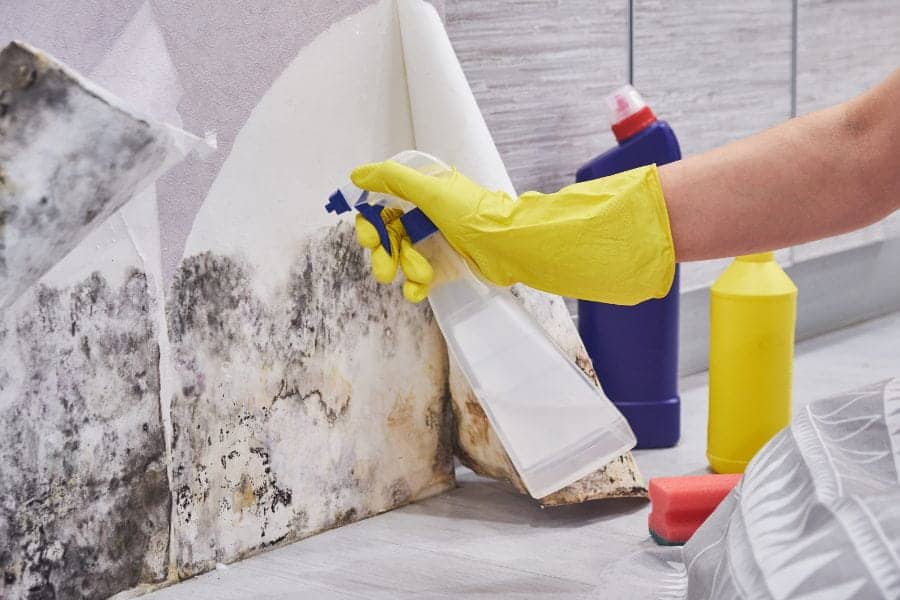
Discovering mold in your home or commercial property can be alarming. Whether it is a musty smell in the basement, visible black spots on drywall, or concerns after a flood or leak, one of the first questions most property owners ask is: How long does mold remediation take?
The honest answer is, it depends. Mold remediation timelines can vary significantly based on several factors, from the size of the affected area to the type of mold involved. For property owners across Eastern Pennsylvania, Northern Delaware, and New Jersey, understanding the process and the factors that influence cleanup timelines can help reduce stress during an already urgent situation.
Why Mold Remediation Timelines Vary
No two mold situations are exactly alike. Some projects can be resolved in a single day, while others may take a week or longer. The timeline depends on how extensive the contamination is, what caused it, and how quickly the issue is addressed.
In emergencies such as after flooding, pipe bursts, or sewage backups, acting quickly is critical. The faster professionals can assess and contain the problem, the more manageable the remediation process tends to be.
Steps of the Mold Remediation Process
Mold remediation follows a structured, step-by-step process designed to eliminate existing mold, address the underlying moisture problem, and prevent future growth. While every property is different, these core steps remain consistent across most residential and commercial projects, helping ensure the remediation is thorough, safe, and effective from start to finish.
Step 1 — Mold Inspection and Assessment (1-2 Days)
The remediation process typically begins with a professional mold inspection. This step is essential to determine:
- The presence and type of mold
- The extent of contamination
- The moisture source feeding the mold growth
During an inspection, professionals may use moisture meters, thermal imaging, and air or surface sampling to identify both visible and hidden mold. In some cases, lab results may be needed to confirm the types of mold, which can add an extra day.
Timeline
- Same-day inspection for emergencies
- 24 – 48 hours if lab testing is required
For property owners urgently searching for answers, this step often brings relief by replacing uncertainty with a clear plan of action.
Step 2 — Containment and Preparation (1 Day)
Once mold is confirmed, containment is set up to prevent spores from spreading to unaffected areas. This is especially important in occupied homes, offices, schools, and commercial buildings.
Containment measures may include:
- Plastic sheeting and sealed barriers
- Negative air pressure systems
- HEPA air scrubbers
At the same time, technicians prepare the area by removing furniture or protecting unaffected belongings.
Timeline
This step is crucial for keeping the remediation process efficient and safe. It is typically completed within a few hours to one full day.
Step 3 — Mold Removal and Cleanup (1-7 Days)
This is the core of the mold remediation process and the most variable in terms of timing. During this step, technicians use specialized cleaning agents, HEPA vacuums, and antimicrobial treatments to safely and thoroughly remove mold.
Factors that affect removal time:
- Size of the Affected Area — A small patch of mold behind a sink may take hours, while widespread contamination across multiple rooms can take several days
- Severity of Growth — Light surface mold is quicker to remove than mold that has penetrated porous materials.
- Materials Affected — Mold on drywall, insulation, carpeting, or ceiling tiles often requires removal and replacement, which adds time.
- Type of Property — Large commercial spaces or multi-unit buildings typically take longer than single-family homes.
Timeline
- Minor remediation: 1-2 Days
- Moderate remediation: 3-5 Days
- Severe or widespread remediation: up to 7 days or more
Step 4 — Drying or Dehumidification (2-5 Days)
Mold thrived on moisture, so drying the affected area is just as important as removing visible growth. In humid conditions common in parts of Eastern PA, Northern DE, and New Jersey, proper drying is essential to prevent mold from returning.
Industrial-grade dehumidifiers and air movers are used to eliminate excess moisture from the air and building materials. This step often overlaps with mold removal but may continue after cleanup is complete.
Timeline
- Typically 2-5 days
- Longer if structural materials were heavily saturated
Step 5 — Repairs and Restoration (Varies)
If mold remediation involves removing drywall, flooring, insulation, or other materials, repairs are the final step. Some property owners choose to handle restoration separately, while others prefer a full-service solution.
Restoration timelines vary widely depending on the scope of damage. Examples include:
- Replacing drywall and repainting
- Installing new flooring or carpeting
- Repairing or replacing cabinetry
Timeline
- Minor repairs: 1-2 days
- Major restoration: several days to weeks
Step 6 — Final Inspection and Clearance (1 Day)
Before the project is considered complete, a final inspection ensures that mold has been properly removed and moisture levels are back to normal. In some cases, post-remediation testing is performed to confirm that indoor air quality meets acceptable standards.
Timeline
This final step provides peace of mind that the space is safe to occupy again and is typically completed in one day.
Total Mold Remediation Timeline: What to Expect
When all steps are considered, most mold remediation projects fall within the following ranges:
- Small, localized mold problem: 2-3 days
- Moderate mold issue: 4-7 days
- Severe or large-scale remediation: 1-2 weeks or longer
Emergency response and early intervention can significantly shorten these timelines.
How Location and Property Type Can Impact Timelines
In the tri-state region, as defined by Eastern Pennsylvania, Northern Delaware, and New Jersey, several regional factors can influence mold remediation timelines:
- Older Housing Stock — Older homes may have hidden moisture issues or materials that require more extensive remediation.
- Seasonal Humidity — Warm, humid summers can slow drying times if not properly managed.
- Commercial Regulations — Businesses may need additional inspections or documentation before reopening.
Residential and commercial properties alike benefit from working with mold remediation professionals like Tri State Mold Doctors, who understand local conditions and building types.
Why Acting Quickly Matters
Mold can begin to grow within 24-48 hours after water exposure. The sooner remediation begins, the faster and often less disruptive the process will be.
Delaying remediation can lead to:
- More extensive damage
- Longer cleanup timelines
- Higher repair costs
- Potential health concerns for occupants
Don’t Let Mold Spread—Tri State Mold Doctors Gets You Back to Safe, Fast
If you are dealing with a mold emergency, you do not have time to wait, and you shouldn’t have to navigate the cleanup process alone. Whether you have discovered visible mold, notice a persistent musty odor, or experienced recent water damage, our experienced team is ready to help.
Tri State Mold Doctors proudly serves residential and commercial properties throughout Eastern Pennsylvania, Northern Delaware, and New Jersey. We understand that mold situations are often urgent, stressful, and unexpected, which is why we respond quickly, explain every step of the process, and work efficiently to restore your property as safely as possible.
From initial inspection and testing to full mold remediation and post-cleanup clearance, you can count on us for clear communication, honest timelines, and professional results.
Don’t wait; mold spreads fast.
Contact Tri State Mold Doctors today to schedule an inspection or request emergency service. Our team is standing by to answer your questions and help you take the first step toward a cleaner, healthier property.