
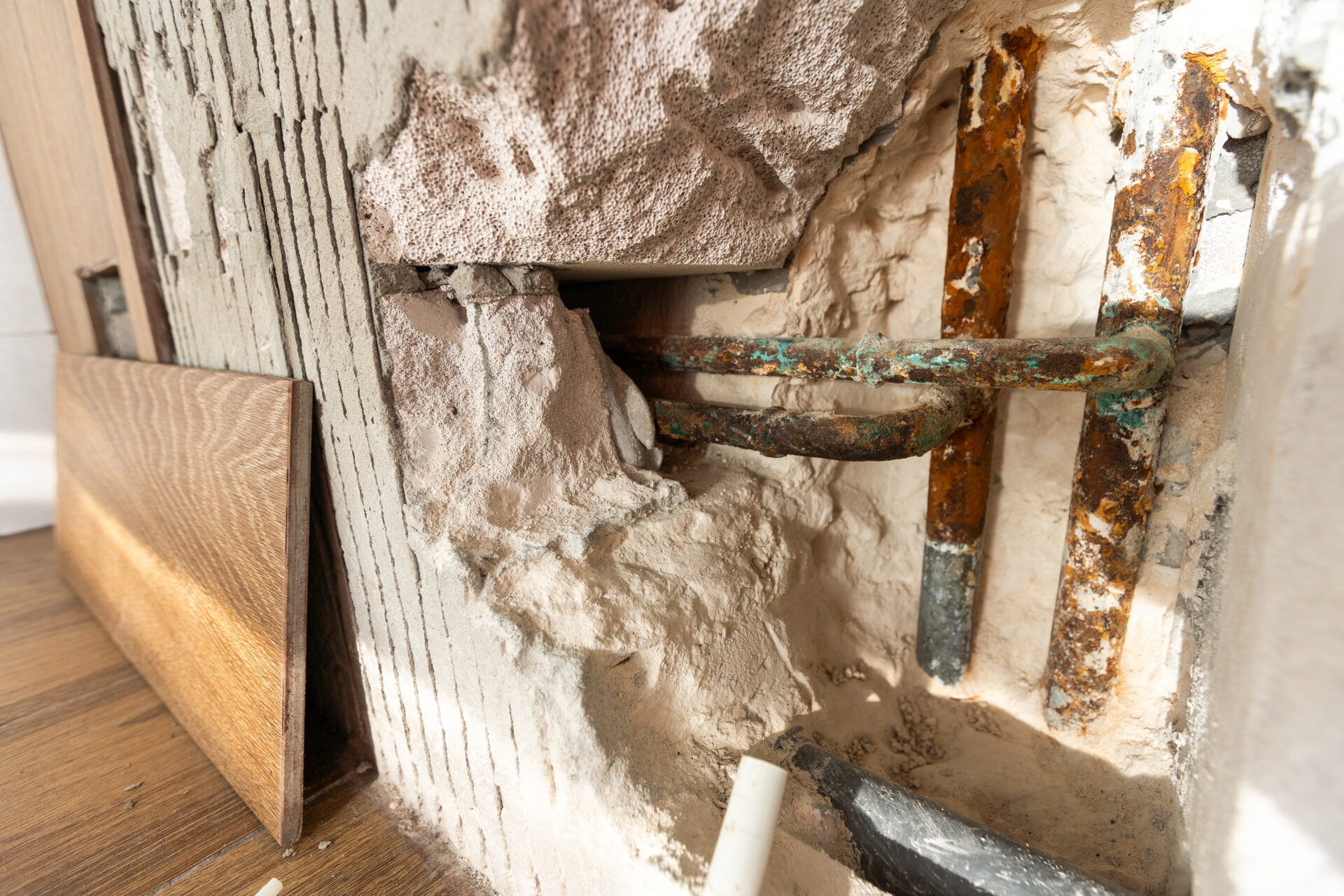
Water damage is not always obvious. While some problems announce themselves immediately with flooding, burst pipes, or standing water, other forms of damage remain hidden behind walls, ceilings, flooring, and insulation for weeks or even months. By the time visible signs appear, homeowners may already be dealing with structural deterioration, mold growth, or expensive repairs.
For homeowners and property managers throughout Eastern Pennsylvania, Northern Delaware, and New Jersey, hidden water damage can quickly become a serious issue due to seasonal storms, aging plumbing systems, humidity, and unexpected leaks. Recognizing the early warning signs can help prevent small problems from turning into major restoration emergencies.
Why Hidden Water Damage Is So Dangerous
Visible flooding is easier to identify and respond to quickly. Hidden water damage, however, often develops slowly and silently. The earlier hidden moisture is detected, the easier and less expensive the restoration process typically becomes.
Leaks inside walls, beneath flooring, or above ceilings may continue for extended periods before homeowners realize there is a problem. During that time, moisture can damage drywall, weaken structural materials, ruin insulation, and create ideal conditions for mold growth.
Even a small leak can eventually lead to:
- Mold infestations
- Wood rot
- Ceiling collapse
- Electrical hazards
- Damaged flooring
- Poor indoor air quality
- Costly structural repairs
Musty Odors That Won’t Go Away
One of the earliest warning signs of hidden water damage is a persistent musty smell. Moisture trapped behind walls or under flooring often creates the damp, earthy odor commonly associated with mold and mildew.
Homeowners sometimes try to mask these smells with air fresheners or cleaning products, but odors that continue returning may indicate hidden moisture problems. Common areas where musty smells develop include:
- Basements
- Crawl spaces
- Bathrooms
- Laundry rooms
- Kitchen
- Attics
If odors worsen after rainstorms or periods of high humidity, hidden water intrusion may be occurring somewhere inside the property. Professional mold inspection and water damage assessment can help identify the source of moisture before contamination spreads further.
Stains or Discoloration on Walls and Ceilings
Water stains are another common indicator of hidden leaks. Any recurring stain should be professionally evaluated to determine whether moisture is still active.
Discoloration may appear as:
- Yellow or brown spots
- Dark rings
- Bubbling paint
- Peeling wallpaper
- Soft drywall
Ceiling stains often suggest roof leaks, plumbing issues, or HVAC condensation problems. Wall discoloration may indicate leaking pipes hidden behind drywall.
Unfortunately, some homeowners repaint over stains without resolving the underlying moisture issue. While this may temporarily improve the appearance, the water damage continues to worsen beneath the surface.
Warped or Buckling Flooring
Flooring materials are especially vulnerable to hidden moisture. Wood floors may begin to:
- Warp
- Cup
- Separate
- Swell
- Buckle
In some cases, homeowners notice soft spots or uneven flooring before they ever see visible water. Laminate flooring can bubble or lift at the seams, while carpet may feel damp or develop mold underneath.
These issues often result from:
- Appliance leaks
- Slab leaks
- Pipe damage
- Flooding
- Crawl space moisture
Unexpected Increases in Utility Bills
Sometimes the first sign of hidden water damage is a rising water bill. Even small plumbing leaks can cause substantial long-term damage if left unresolved.
A hidden plumbing leak behind walls or beneath flooring may continuously waste water without creating immediate visible damage. If monthly water usage suddenly increases without explanation, homeowners should investigate possible leaks.
Additional signs may include:
- Constantly running water sounds
- Reduced water pressure
- Wet spots near plumbing fixtures
- Damp drywall around pipes
Mold Growth in Unusual Areas
Mold requires moisture to grow. If mold appears in places where water exposure should not normally occur, hidden water damage may be present.
Mold often develops within 24 to 48 hours after exposure to moisture. Once it spreads behind walls or beneath flooring, professional remediation is usually necessary.
Warning signs include:
- Black, green, or white spots on walls
- Mold near baseboards
- Growth around ceiling vents
- Mold behind furniture
- Repeated mildew in bathrooms
Peeling Paint or Bubbling Surfaces
When moisture becomes trapped behind painted surfaces, it often causes paint or drywall to separate from the wall. Bathrooms, kitchens, and basements are especially vulnerable because of increased moisture exposure.
Homeowners may notice bubbling paint, cracking drywall, peeling finishes, and warped wall materials. These symptoms are commonly associated with plumbing leaks, roof problems, or poor ventilation, and ignoring these warning signs can allow water intrusion to continue damaging structural materials behind the walls.
Sagging Ceilings or Soft Drywall
A sagging ceiling is a serious sign of water accumulation. If homeowners notice sagging ceilings, immediate professional assessment is important to reduce safety risks and prevent further structural damage.
Water from roof leaks, burst pipes, or upstairs plumbing issues can saturate drywall and insulation above ceilings. Over time, the added weight weakens the materials and may eventually lead to collapse.
Signs of ceiling water damage include:
- Bulging areas
- Soft spots
- Cracks
- Peeling texture
- Dripping water
Hidden Water Damage After Flooding
Even after visible water is removed following a flood, hidden moisture may remain inside walls, insulation, flooring, and subfloors. Without proper drying equipment and moisture detection tools, water damage may continue spreading long after cleanup appears complete.
This is why professional emergency flood cleanup is so important. Water extraction alone is not enough.
Proper restoration also includes:
- Moisture mapping
- Structural drying
- Humidity control
- Mold prevention
- Damage assessment
Why Fast Action Matters
Water damage worsens quickly. Delays can increase restoration costs and expand the affected areas. Homeowners who act quickly often have more restoration options and may avoid larger reconstruction projects later.
Within hours, moisture begins soaking into porous materials. Within days, mold growth may begin to develop. Over time, structural materials weaken, and repairs become more extensive.
Fast response helps reduce:
- Mold growth
- Structural deterioration
- Repair expenses
- Business interruption
- Property damage
Professional Moisture Detection Makes a Difference
One challenge with hidden water damage is that moisture is not always visible to the naked eye. A professional inspection can help determine the true extent of damage before repairs begin.
Professional restoration companies use specialized equipment such as:
- Moisture meters
- Infrared thermal imaging
- Hygrometers
- Water detection sensors
These tools help identify hidden moisture inside walls, beneath flooring, and above ceilings without unnecessary demolition.
Protecting Your Home From Long-Term Damage
Hidden moisture rarely disappears without proper drying and repair. While not every water issue can be prevented, homeowners can reduce risk by paying attention to early warning signs and responding quickly when problems appear. Most importantly, homeowners should avoid assuming that minor water issues will resolve on their own.
Helpful steps include:
- Checking plumbing regularly
- Inspecting roofs after storms
- Monitoring basements for moisture
- Addressing leaks immediately
- Maintaining gutters and drainage systems
- Watching for unusual odors or stains
Protect Your Property From Hidden Moisture with Tri State Mold Doctors
Hidden water damage can quietly compromise a property long before visible destruction appears. From musty odors and warped flooring to ceiling stains and mold growth, the warning signs are often subtle at first but become increasingly serious over time.
At Tri State Mold Doctors, professional emergency flood cleanup and mold remediation services help property owners identify hidden moisture problems and restore affected spaces safely and efficiently. When water damage is caught early, the path to recovery is often faster, safer, and far less expensive.
Contact us today. Your emergency isn’t waiting. Neither are we.