
Modern homes and businesses rely on a wide range of appliances, from basic toasters to convenient all-in-one washer-dryer units. These appliances are designed to simplify daily routines and add an extra layer of comfort to our lives. However, when any of these appliances malfunction, the inconvenience often extends far beyond simply replacing the broken unit.
In many cases, failing appliances can lead to significant issues within the home itself, especially when water is involved. Leaks, clogs, and faulty connections can quickly escalate into structural and mold damage if not caught early.
To help homeowners stay prepared, it is important to understand which appliances pose the highest risk. Below are some of the most common household appliances that, when they fail, have the potential to cause considerable water damage.
Appliances That Could Cause Water Damage
Household appliances make daily life easier, but when something goes wrong, they can quickly become major sources of water damage. Leaks often start small and go unnoticed until they’ve already caused costly damage to floors, walls, and surrounding structures. Understanding which appliances pose the highest risk and how to identify early warning signs can help you prevent extensive repairs and protect your home from long-term issues, such as mold growth and structural weakening.
Washing Machines
Washing machines are one of the top sources of household water damage. Burst hoses, faulty seals, clogged drains, and overloaded machines can all cause leaks or sudden flooding. Since washers use a high volume of water, even a minor failure can result in significant damage within minutes.
Dishwashers
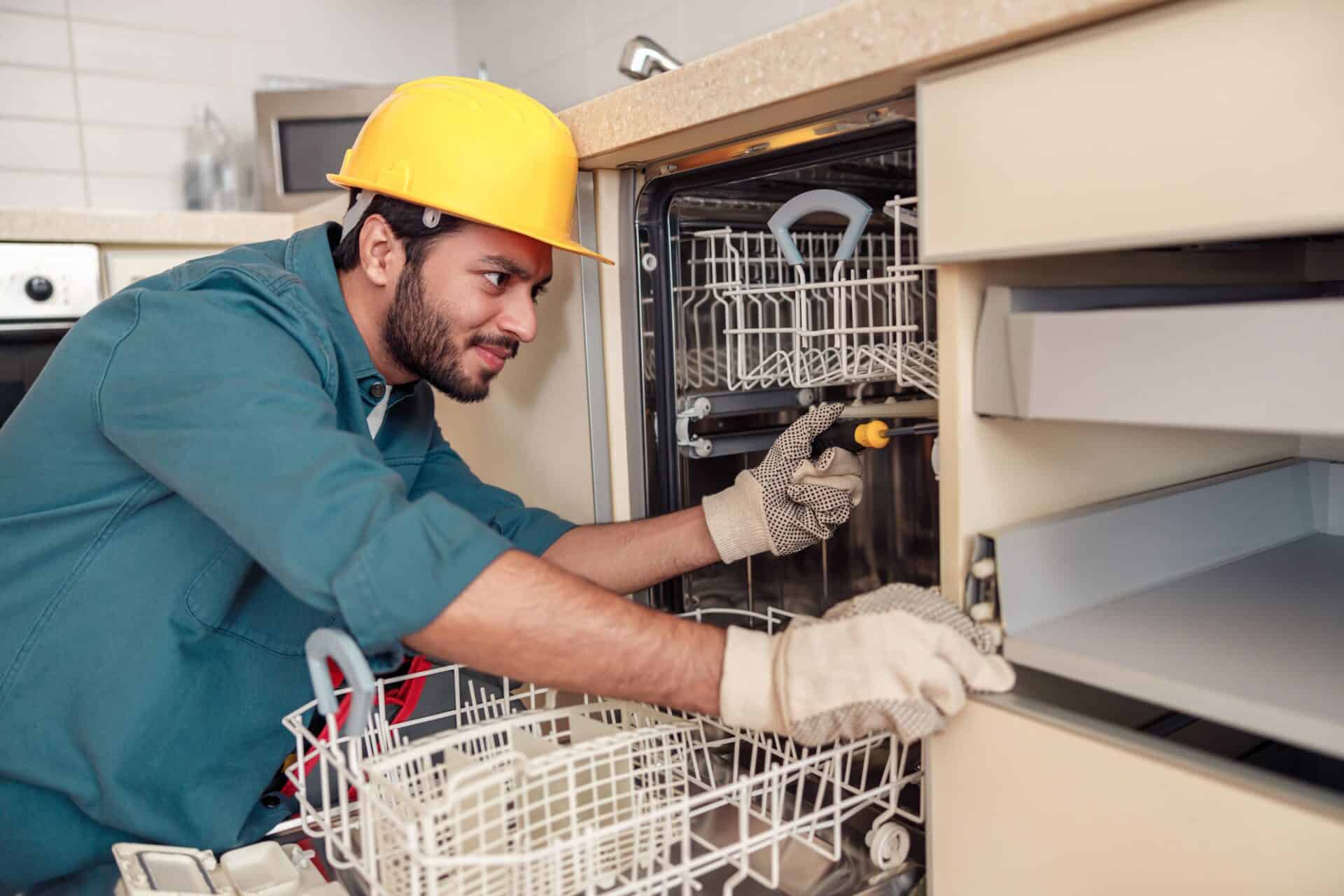
If you ever spot water pooling around the base of your dishwasher, it is important not to brush it off. Dishwashers can leak for several reasons, and even minor issues can quickly escalate into more significant problems.
Because dishwashers rely on multiple water lines, hoses, and valves to operate, any one of these components can weaken, crack, or loosen over time, allowing water to escape. Leaks can also occur when internal parts, such as the door seal, latch, or gasket, become worn or damaged, preventing the door from closing tightly and allowing water to escape during a wash cycle.
These malfunctions are more common than many homeowners realize, and when they go unnoticed or untreated, they can cause significant water damage to cabinets, flooring, and nearby structures. Paying attention to early signs of leakage and inspecting your dishwasher’s components regularly can help prevent costly repairs and protect your home from unnecessary damage.
Refrigerators with Ice Maker or Water Dispensers
Refrigerators play a crucial role in keeping our food safe and our beverages chilled, so any moisture around them should never be overlooked. If you notice puddles forming beneath your fridge, it is advisable to take immediate action, as this is often an early warning sign of a potential leak.
Several common issues can cause a refrigerator to leak, including a blocked defrost drain, a congested water supply line, a worn or damaged door seal, or even an appliance that is not perfectly level. While some of these problems may seem minor, they can worsen over time, allowing water to escape and accumulate.
If left unresolved, these leaks can gradually cause significant water damage to your floors, walls, and surrounding structures. Addressing the source of the issues promptly can help prevent costly repairs and keep your refrigerator working efficiently.
Water Heaters
Aging water heaters are especially prone to developing leaks, and even a small puddle forming beneath the unit should be treated as a serious warning sign. It is essential to address any sign of leakage promptly, as delaying repairs can result in extensive damage.
A heater can begin leaking for numerous reasons. As the appliance ages, its internal components naturally deteriorate. The drain valve may loosen over time, allowing excess pressure to build up inside the tank. Connections may weaken or shift, and in some cases, the storage tank itself can crack due to corrosion or metal fatigue. Because water heaters typically store many gallons of water, even a minor leak can escalate quickly.
If these issues are not addressed, water can spread to surrounding floors, walls, and nearby furniture, resulting in costly repairs and potential mold growth. A leaking water heater should never be ignored. Taking prompt action can prevent significant water damage and help keep your home safe and secure.
HVAC Systems (Especially Air Conditioners)
Air conditioners and HVAC units generate condensation that must drain properly. When drainage lines become clogged or pans overflow, water can leak into walls, ceilings, attics, or crawl spaces. Over time, this can result in mold growth, wood rot, and severe structural deterioration.
Warning Signs Your Appliances May Be Causing Water Damage
Even small changes in how your appliances look or function can signal a hidden leak. Catching these warning signs early can save you thousands in repairs.
Keep an eye out for:
- Puddles, damp spots, or unexplained moisture or mold near appliances
- Musty odors, which can indicate mold growth
- Discolored flooring, bubbling laminate, or warped hardwood
- Stains on ceilings or walls near upper-floor appliances
- Rust or corrosion on water lines or connectors
- Unusual sounds, like hissing or dripping
- Higher-than-normal water bills, suggesting a hidden leak
Get Help With Water Damage From Appliances From Tri State Mold Doctors
If you own a home or manage a business, it is crucial to monitor any appliances that use water closely. Regular inspections can help you spot early signs of wear, leaks, or malfunctions before they turn into costly problems.
It is always wise to keep track of the age of each appliance, as many appliances that use water have a limited lifespan. Replacing them before they fail can dramatically reduce the likelihood of unexpected water damage. Even with consistent maintenance and careful monitoring, water damage can still happen.
Extremely cold Tri-State winters can cause parts to freeze and crack. Appliances can be jostled or damaged during moving or remodeling projects, and simple human error can sometimes lead to leaks or overflows.
When water damage does occur, time is your most valuable resource. The longer water is left to soak into floors, walls, insulation, and furniture, the more extensive and expensive the damage becomes. Reaching out to a professional for an emergency water and mold company is so important.
At Tri State Mold Doctors, we have helped homeowners and business owners recover after unexpected water losses. Our trained technicians and team enable us to respond quickly, thanks to our 24/7 availability for emergencies. If you are dealing with a water emergency at your property, don’t wait.
Contact us today for a free consultation to find out how we can help your space and get everything back to normal as quickly as possible. Here at Tri State Mold Doctors, the doctor is always in.