
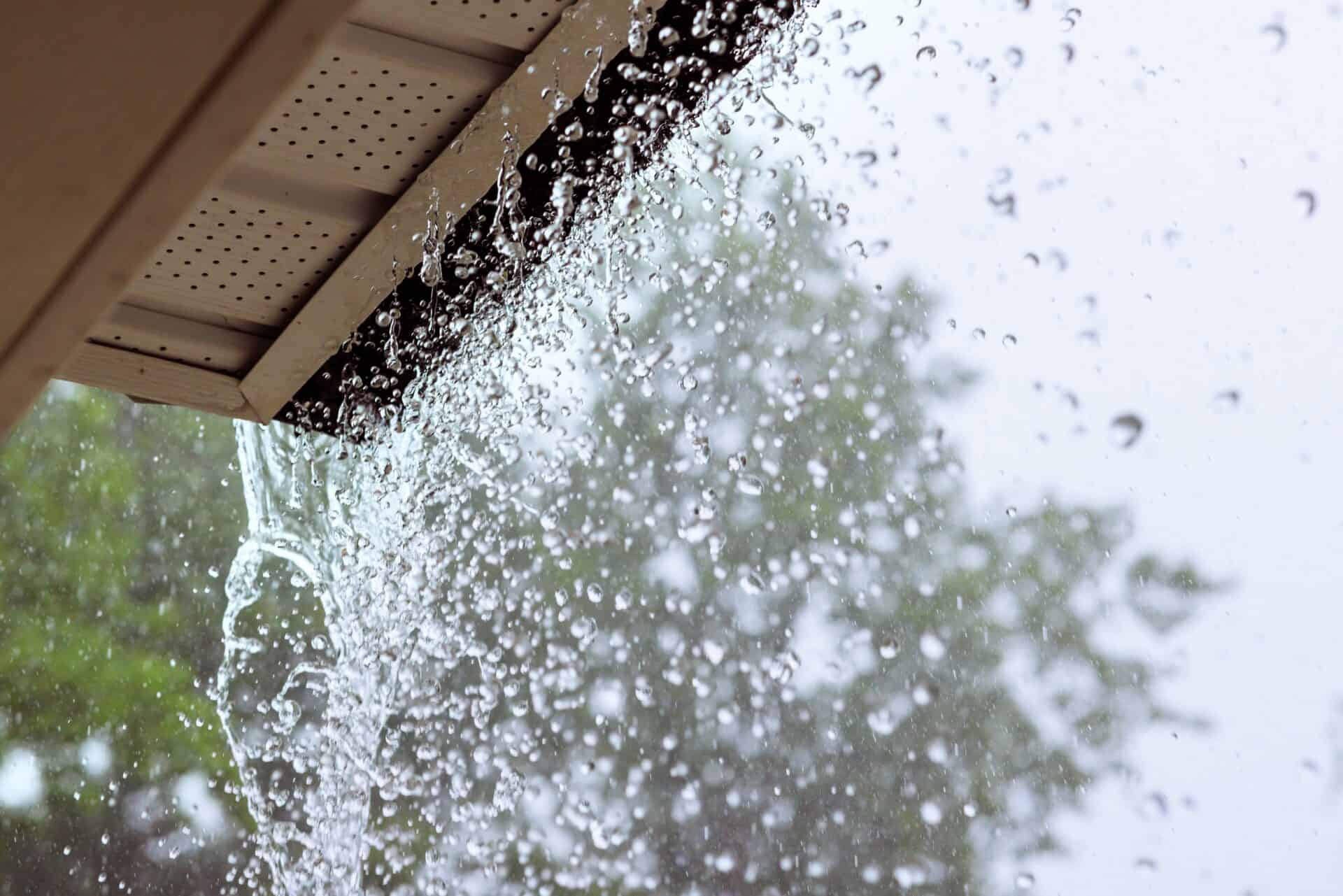
Water damage, whether caused by a burst pipe, a leaky roof, or poor drainage, can lead to structural damage, mold growth, and expensive repairs. Knowing how to identify the early signs of water damage can save you time, repair costs, and a lot of stress.
From visible stains and musty odors to structural changes in your home, knowing what to look for could be the key to protecting your property and your peace of mind. This article will discuss the warning signs of water damage.
Signs of Water Damage
Water damage signs can be obvious or subtle, and different causes will provide other clues. If you notice any of these problems, reach out to a professional who can help identify where the water is coming from and stop the problem before it becomes worse.
Stains and Discoloration
Brown, yellow, or rust-colored stains on ceilings, walls, or floors are clear indicators of water intrusion. These stains often appear in irregular shapes and may grow over time. They’re usually caused by leaking roofs, plumbing issues, or accumulated condensation. If you spot one, it’s crucial to trace the source before it causes further damage.
Musty Odors
A persistent, musty smell, especially in basements, bathrooms, or closed-off areas, often signals mold or mildew caused by excess moisture. Even if you can’t see visible mold, the odor alone suggests that water may be accumulating somewhere behind walls or under flooring. Addressing this early can help prevent respiratory issues and mold-related damage.
Peeling or Bubbling Paint and Wallpaper
Water damage behind walls can cause paint or wallpaper to bubble, peel, or warp. This happens when moisture breaks the bond between the wall surface and the finish. It’s often an early visual clue that water is seeping into areas it shouldn’t, often from hidden plumbing leaks.
Warped or Buckled Flooring
Hardwood, laminate, and even vinyl floors can warp or buckle when exposed to moisture. If your floors feel uneven underfoot or show signs of lifting or separation, water might be trapped underneath. This often occurs due to leaks in nearby appliances, plumbing, or foundation issues.
Mold Growth
Visible mold, which can look like black, green, or white fuzzy patches, indicates excessive moisture and potential water damage. Mold thrives in damp, poorly ventilated areas and can spread quickly. It’s not only a structural concern but also a serious health hazard, particularly for those with allergies or respiratory conditions.
Sagging Ceilings or Walls
A ceiling or wall that appears to sag, bulge, or feel soft to the touch may be retaining water. This is a dangerous sign that structural components are weakening due to prolonged exposure to moisture. If left unaddressed, these areas could eventually collapse, which is a serious safety risk.
Unusually High Water Bills
A sudden increase in your water utility bill without explanation might suggest an undetected leak somewhere in your plumbing system. Even small, constant leaks that are hidden by walls or under the house can waste large amounts of water and cause extensive damage over time.
Cracks in the Walls or Foundation
While some small cracks are normal in aging homes, new or widening cracks, especially those near windows, doors, or in the foundation, could be signs of water infiltration. Water can erode materials and weaken the foundation, leading to shifting and structural issues.
What Should You Do if You Notice Signs of Water Damage?
If you see signs of water damage in your home, it’s important to act quickly to prevent further issues like mold, structural damage, or escalating repair costs.
Identify and Stop the Source
Start by locating the source of the water intrusion. It could be a leaking roof, burst pipe, broken appliance, or even poor drainage outside. If possible, stop the water flow immediately. Shut off the main water valve if it is a plumbing issue, or cover a roof leak with a tarp until repairs can be made.
Document the Damage
Take clear photos and notes of the affected areas. This documentation is critical for insurance claims and will help restoration professionals understand the extent of the problem. Include images of stains, warped materials, mold growth, and anything that’s been damaged.
Contact Your Insurance Company
Notify your homeowner’s insurance provider as soon as possible. Depending on your policy, water damage may be partially or fully covered, especially if it was sudden and accidental (like a burst pipe). Delaying the claim could hurt your chances of reimbursement.
Begin the Drying Process
Remove any standing water and start drying out the area. Use fans, dehumidifiers, and open windows if the weather allows. The faster you dry out the space, the lower the risk of mold and further damage. Remove wet items like rugs, furniture, and paper products to help the area dry faster.
Inspect for Mold
Check for early signs of mold, especially if the damage has been there for more than 24-48 hours. Mold can spread quickly and pose serious health risks. If you see visible mold or smell a musty odor, consider calling in a professional mold remediation specialist.
Hire a Specialist
For extensive water damage, especially if it involves electrical systems, structural components, or significant mold, call a licensed water damage restoration company. They have specialized tools and expertise to assess, dry, repair, and restore your home safely.
Once the area is dry and safe, the specialist can repair the source of the problem and any resulting damage. This may include fixing plumbing, replacing drywall, repainting, or resealing windows. It’s also a good opportunity for them to check for and fix other potential vulnerabilities in your home.
Get a Handle on Water Damage With Tri State Mold Doctors
If you suspect water damage in your home, don’t wait for the problem to get worse. Contact Tri State Mold Doctors today.
Our experienced team specializes in fast, effective water damage remediation and mold prevention to protect your home and your health. With state-of-the-art equipment and expert knowledge, we’ll identify the source, stop the damage, and restore your space safely and efficiently.
Don’t let a minor issue turn into a costly disaster. Contact us today for a thorough inspection and peace of mind.