
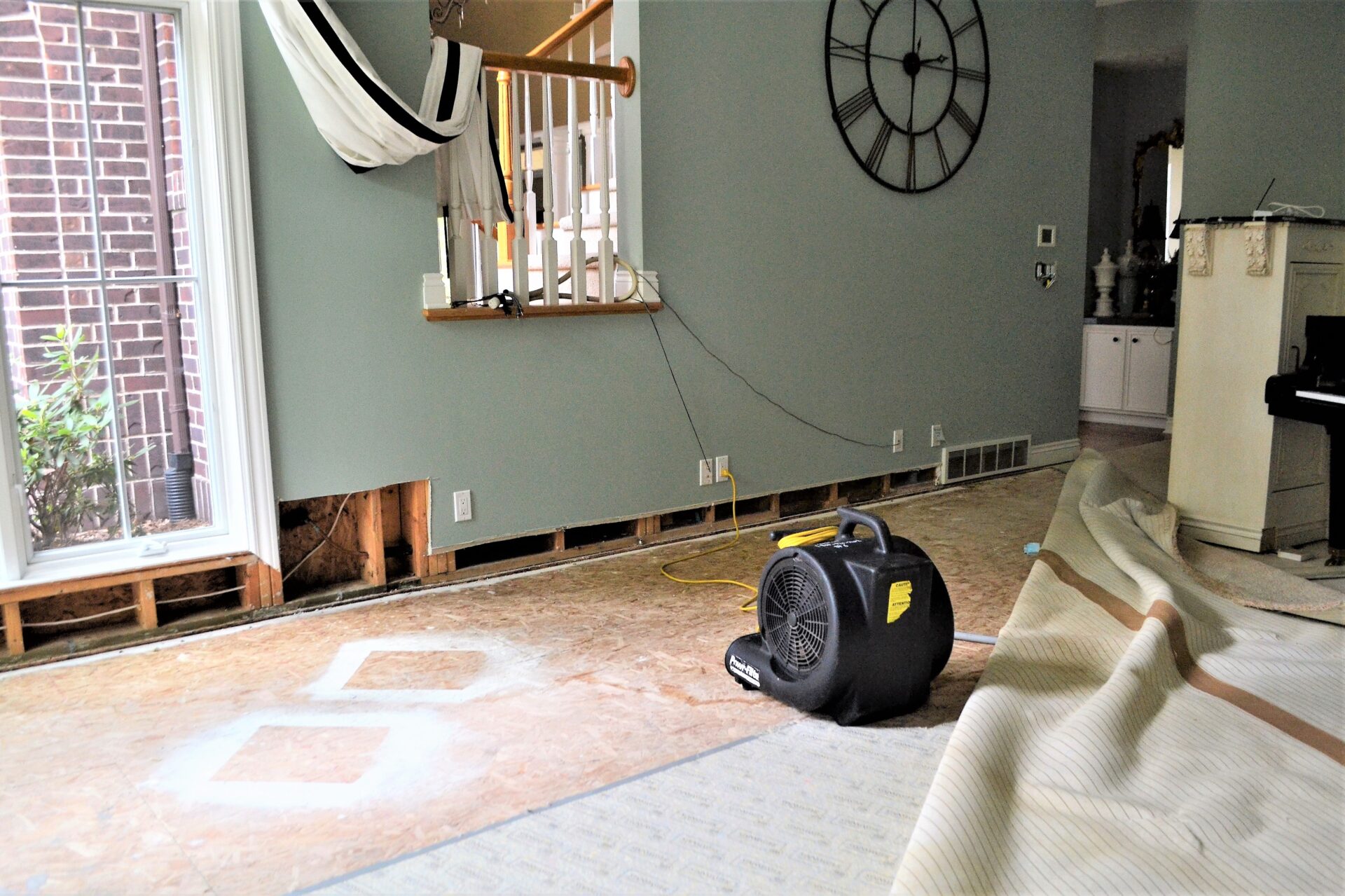
Water damage can create serious problems for both residential and commercial properties. Whether the damage is caused by flooding, burst pipes, roof leaks, appliance malfunctions, or severe weather, excess moisture can quickly spread throughout a building, affecting walls, flooring, ceilings, and hidden structural components.
If the moisture is not properly identified and removed, it can lead to extensive repairs, mold growth, weakened materials, and even health concerns for occupants. While many property owners focus on removing visible water after an incident, the real challenge often lies beneath the surface.
Moisture can remain trapped in areas that are difficult to detect without specialized equipment, continuing to cause damage long after surfaces appear dry. This is why moisture detection is one of the most important steps in the water damage restoration process.
Why Moisture Detection Matters
Moisture detection allows restoration professionals to determine exactly where water has spread and how severely a property has been affected. Even after standing water has been removed, hidden moisture can remain inside drywall, insulation, flooring, ceilings, and other building materials. Without proper moisture detection, these damp areas may go unnoticed, leading to long-term structural deterioration and other costly issues.
By identifying moisture early and carefully monitoring the drying process, restoration professionals can ensure the property is completely dried and restored safely. Using advanced tools such as moisture meters, thermal imaging cameras, and humidity monitoring devices, restoration specialists can accurately locate hidden moisture and create a targeted drying plan.
Thorough moisture detection helps prevent:
- Mold growth
- Structural weakening
- Material deterioration
- Lingering odors
- Increased restoration costs
- Future water damage complications
Protecting Structural Integrity
Water intrusion can significantly weaken the structural components of a building. Prolonged exposure to moisture may cause wood framing to warp or rot, drywall to soften, insulation to deteriorate, and metal components to corrode. Over time, these issues can compromise the overall stability and safety of the property.
Moisture detection helps restoration professionals identify exactly where water has penetrated so they can take immediate action before the damage worsens. With accurate readings and targeted drying techniques, they can stop further deterioration and reduce the likelihood of major structural repairs or material replacement.
Preventing Mold Growth
One of the biggest concerns after water damage is mold development. Mold thrives in damp environments and can begin growing within 24 to 48 hours after water exposure. In addition to damaging surfaces and materials, mold can pose health risks for those living or working in the building.
Because mold often develops in hidden spaces such as behind walls, under flooring, or inside ceilings, moisture detection is critical for identifying areas that may still contain trapped moisture. By quickly locating and drying these hidden problem areas, restoration professionals can eliminate the conditions that enable mold to spread and not only protect the property’s structure but also help maintain healthier indoor air quality for occupants.
Supporting Insurance Claims and Documentation
Moisture detection is also valuable during the insurance claims process. Insurance companies often require detailed documentation of the damage and the mitigation efforts taken to address it. Accurate moisture readings provide evidence of the extent of the water intrusion and help support a stronger claim.
In addition, moisture detection allows restoration professionals to create a more efficient restoration strategy. By understanding where moisture is present and how far it has spread, they can prioritize repairs, streamline the drying process, and reduce unnecessary costs.
Common Moisture Detection Methods
Water damage restoration professionals use a variety of specialized tools and techniques to locate hidden moisture and monitor drying progress.
Moisture Meters
Moisture meters are handheld devices designed to measure the moisture content inside building materials. These tools are commonly used on materials such as drywall, wood, and concrete, and provide accurate measurements that help restoration professionals determine which materials can be dried and which may need replacement.
There are two primary types of moisture meters. Non-invasive moisture meters scan surfaces without causing damage, and invasive moisture meters use probes or pins inserted into materials for more precise readings.
Relative Humidity Monitoring
Relative humidity (RH) measures the amount of moisture present in the air compared to the maximum amount the air can hold. Monitoring humidity levels is an essential part of the drying process.
Restoration professionals use humidity sensors and monitoring equipment to ensure indoor conditions support proper drying. Maintaining controlled humidity levels helps prevent secondary moisture issues and reduces the risk of mold growth.
Moisture Mapping
Moisture mapping involves creating a visual representation of moisture levels throughout a property. It helps identify areas requiring immediate attention and ensures that no hidden moisture pockets are overlooked during restoration. By combining data from moisture meters, thermal imaging equipment, and humidity readings, restoration professionals can track how water has spread and monitor drying progress over time.
Why Property Owners Trust Tri State Mold Doctors for Water Damage Restoration
Moisture detection is one of the most important parts of the water damage restoration process because hidden moisture can continue causing damage long after visible water has been removed. Without proper detection and drying, lingering moisture can lead to structural deterioration, mold growth, unpleasant odors, and costly future repairs.
Tri State Mold Doctors combines advanced moisture detection technology with experienced restoration expertise to ensure every affected area is thoroughly inspected, dried, and restored. Our team uses professional-grade equipment and proven restoration methods to locate hidden moisture, prevent further damage, and help return properties to a safe and healthy condition as quickly as possible.
Contact us today to schedule a professional inspection and get the expert restoration services you need to protect your property and restore your peace of mind.